
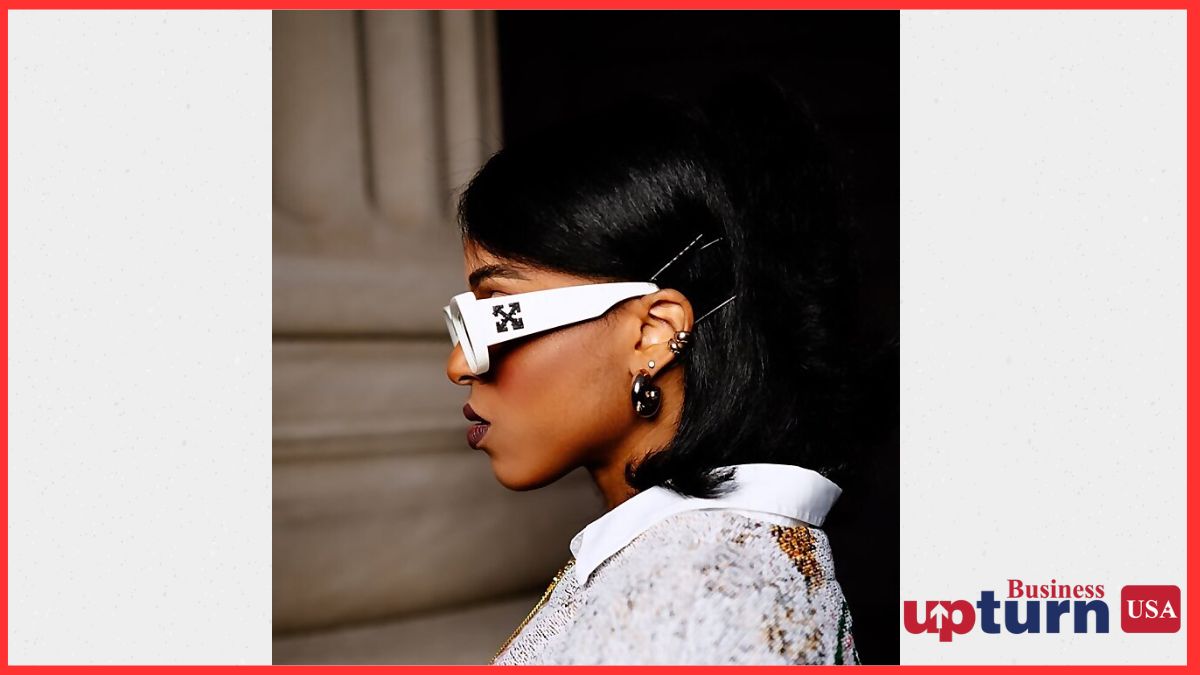
In the highly competitive U.S. creator economy, fashion influencer Kelsey Andrea represents a modern, performance-driven approach to monetizing personal style. Rather than relying on a single income stream, her business model reflects a diversified, platform-aware strategy designed for sustainability and brand credibility. Operating within the American social commerce ecosystem, Kelsey Andrea’s revenue generation centers on content-led trust, strategic partnerships, and commerce integration.
Core Income Pillars in the U.S. Influencer Market
Kelsey Andrea’s business model is structured around multiple monetization channels commonly used by mid-to-upper tier fashion creators in the United States. Each revenue stream is designed to complement the others, allowing for both short-term campaign income and long-term brand equity.
Sponsored Brand Collaborations
A primary source of income comes from paid partnerships with fashion, beauty, and lifestyle brands targeting U.S. consumers. These collaborations typically include Instagram Reels, TikTok videos, in-feed posts, and short-form styling content. Compensation in the U.S. market is often structured as flat campaign fees, usage licensing fees for brand-owned content, or bundled multi-post contracts. By aligning with brands that fit her aesthetic and audience demographics, Kelsey Andrea maintains advertiser trust while maximizing campaign value.
Affiliate Marketing and Social Commerce
Affiliate marketing plays a significant role in ongoing revenue generation. Through trackable links hosted on platforms such as LikeToKnowIt, Amazon Storefronts, or direct brand affiliate programs, Kelsey Andrea earns commission-based income when followers purchase featured items. This model is particularly effective in the U.S., where impulse-driven fashion purchases and mobile checkout adoption are high. Unlike one-time sponsorships, affiliate links generate recurring income long after content is published.
Platform-Specific Monetization Strategies
Short-Form Video Revenue and Bonuses
On U.S.-based platforms like TikTok and Instagram, monetization extends beyond brand deals. Creator incentive programs, performance bonuses, and platform-funded monetization tools provide supplemental income tied to views, engagement, and consistency. While not the largest revenue driver, these programs enhance cash flow stability and reward content scalability.
Digital Product and Styling Monetization
Many fashion influencers expand into owned digital assets, and Kelsey Andrea’s business approach aligns with this trend. Potential revenue streams include downloadable style guides, seasonal outfit lookbooks, or curated shopping edits. These products carry high margins, require minimal overhead, and position the influencer as a fashion authority rather than solely a promoter.
Long-Term Brand Value and Business Scalability
Personal Brand as a Commercial Asset
Kelsey Andrea’s influence functions as a brand in itself. Consistent visual identity, audience engagement, and platform reliability increase her market value to advertisers. Over time, this allows for higher campaign rates, longer-term brand retainers, and potential licensing opportunities.
Future-Focused Revenue Expansion
Within the U.S. creator economy, scalable growth often includes capsule collections, co-branded merchandise, or advisory roles for emerging fashion labels. These extensions transform influence into equity-based income rather than transactional payouts.
A Sustainable Influencer Business Model
Kelsey Andrea’s monetization strategy reflects how modern U.S. fashion influencers build resilient businesses. By combining sponsorships, affiliate commerce, platform monetization, and owned digital products, she operates a diversified model that balances creativity with commercial discipline. This approach not only drives income but also ensures long-term relevance in a rapidly evolving digital fashion marketplace.
