
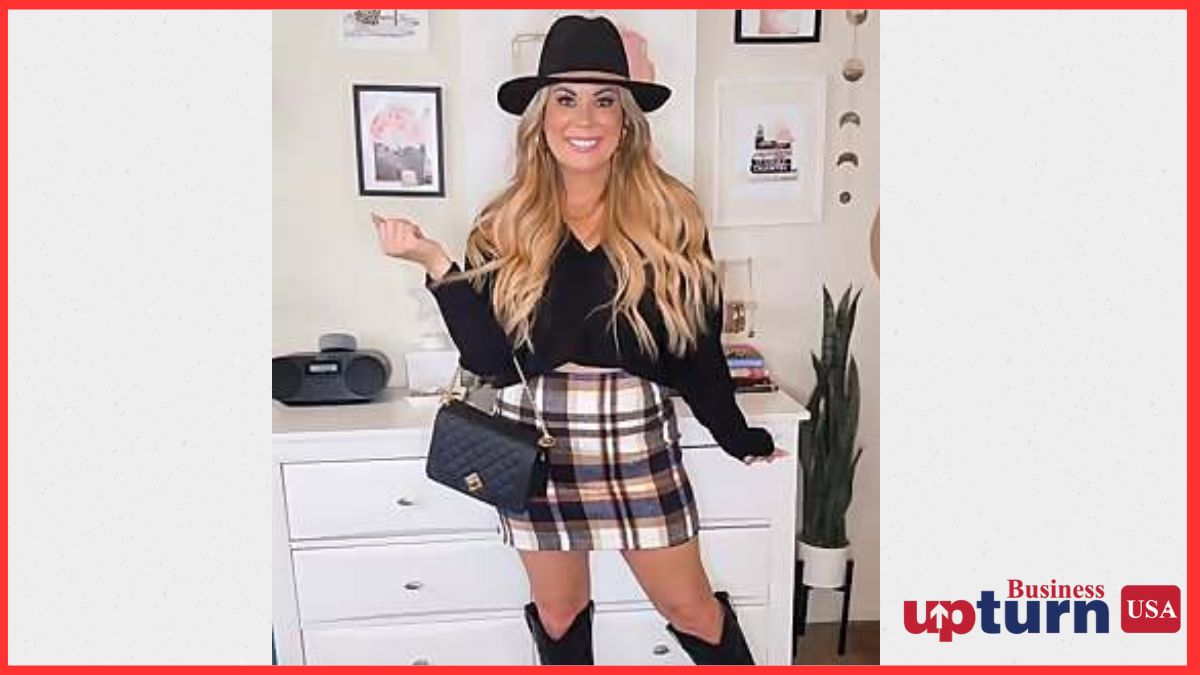
Starr Villandry has become a prominent figure in the U.S. fashion influencer landscape, turning her passion for style into a multifaceted business empire. With an eye for trends and a strategic approach to monetization, Starr has transformed her influence into tangible revenue streams that appeal to a wide audience, from teens to adults. This article explores the business model of Starr Villandry, detailing her income sources, revenue strategies, and how she leverages her personal brand for sustainable growth.
Social Media Sponsorships and Brand Collaborations
A core component of Starr Villandry’s business model revolves around sponsored content. On platforms like Instagram, TikTok, and YouTube, she partners with fashion and lifestyle brands seeking to reach her engaged following. These sponsorships are highly lucrative, often structured as per-post or per-campaign fees. Unlike generic promotions, Starr carefully curates collaborations that align with her personal brand, maintaining authenticity and audience trust, which in turn maximizes engagement and ROI for the brands.
Paid Partnerships
Paid partnerships form the backbone of her influencer income. Brands pay Starr for dedicated posts featuring their products, often including shoppable links that drive direct sales. This model benefits both parties: Starr receives upfront fees and performance-based bonuses, while brands gain exposure to a highly targeted demographic, typically young adults interested in fashion and lifestyle trends.
Affiliate Marketing and Shoppable Content
Beyond direct sponsorships, Starr employs affiliate marketing to generate a steady income stream. By promoting fashion items through platforms like Amazon Associates, RewardStyle, and LikeToKnow.it, she earns commissions on every sale made via her unique affiliate links. This model is particularly effective because it turns her content into a direct revenue generator. Her audience, inspired by her styling tips and curated looks, often purchases recommended items, creating a recurring revenue cycle.
Digital Products and Online Courses
Starr has diversified her revenue by creating digital products, including style guides, lookbooks, and online fashion courses. These products cater to her followers seeking to emulate her aesthetic or improve their personal styling skills. This approach positions her not just as an influencer, but as an educator and industry authority, expanding her monetization opportunities beyond social media platforms and adding a high-margin revenue stream.
Collaborations and Capsule Collections
Another key aspect of her business model is co-branded fashion collaborations. Starr partners with established brands to release capsule collections, earning royalties based on sales. These partnerships often leverage her social media reach for pre-launch marketing, ensuring strong initial sales. The exclusivity of these collections also enhances her personal brand, reinforcing her status as a trendsetter in the fashion industry.
Diversified Revenue Strategy
Overall, Starr Villandry’s business strategy is a balanced mix of sponsored content, affiliate marketing, digital products, and brand collaborations. By diversifying her revenue streams, she mitigates the risks associated with relying solely on social media income, ensuring long-term financial stability. Her careful curation of partnerships and strategic brand positioning exemplify how modern influencers can build sustainable businesses while engaging audiences authentically.
Starr Villandry’s success is a testament to the power of strategic monetization, blending creativity with business acumen. For aspiring influencers and fashion entrepreneurs, her model offers a blueprint for turning personal passion into a thriving, multifaceted enterprise.
