
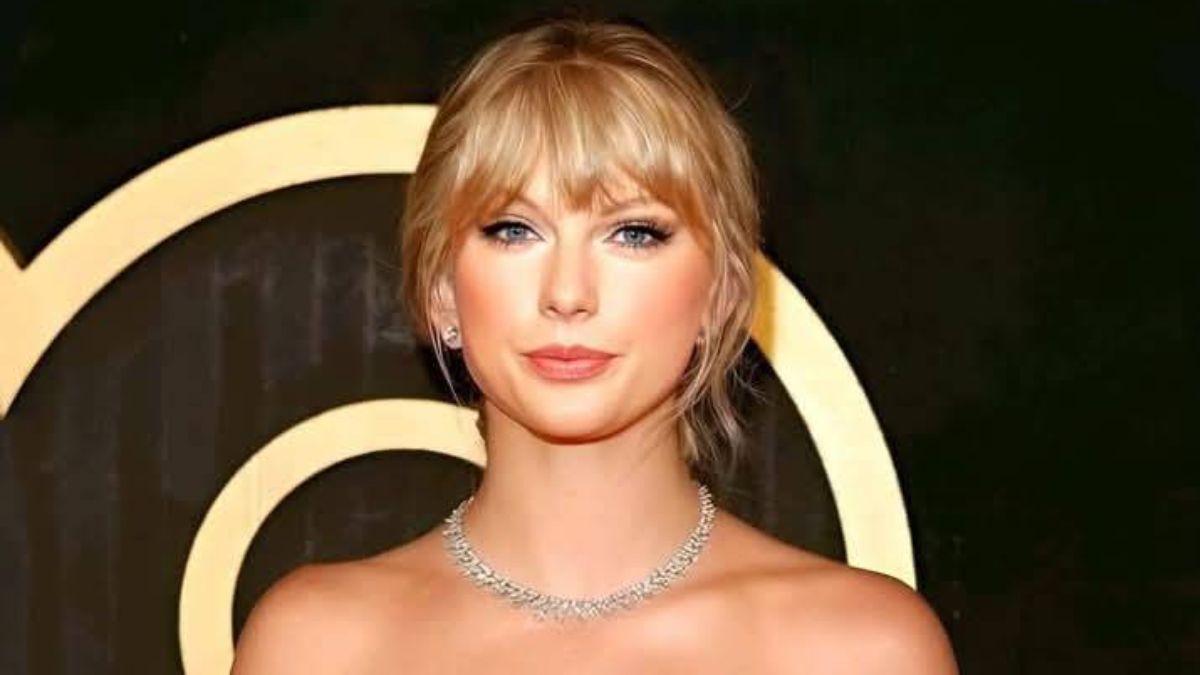
In an industry where shock tactics often dominate headlines, Taylor Swift has always stood her ground with a different kind of boldness—one rooted in authenticity over exposure. Back in 2014, when pop stars like Miley Cyrus and Rihanna were making waves with daring photo shoots and provocative imagery, questions began circulating about whether Swift would follow suit.
The answer was a resolute no.
In a story reported by National Ledger on February 6, 2014, Swift made her stance clear in an interview originally published in the March 2014 issue of Glamour US. “I find it relatively easy to keep my clothes on because I don’t really feel like taking them off,” she said. “It’s not an urge I have.”
Known for her confessional songwriting and emotional transparency, Swift explained that she expresses risk and vulnerability through her music, not her image. “For me, risky is revealing what really happened in my life through music,” she added—drawing a clear line between artistic honesty and media theatrics.
Her decision not to pose nude wasn’t rooted in judgment of others, but rather a reflection of her own comfort zone and creative direction. At a time when publicists often push young stars to “stay relevant” through visual reinvention, Swift chose to let her lyrics, melodies, and evolving discography do the talking.
AI-fueled misinformation about Taylor Swify nude photos reignites debate
In early 2024, Taylor Swift once again became the center of a troubling controversy—this time due to the emergence of AI-generated fake nude images circulating on social media platforms. The digitally manipulated photos, created without consent, quickly went viral and sparked widespread outrage. Swift and her team strongly denied the authenticity of the images and called for immediate action against those responsible. The incident not only reignited conversations about digital consent and image rights but also highlighted the growing dangers of unregulated AI content targeting public figures.
Swift’s long-standing stance from 2014 suddenly felt more relevant than ever. Her refusal to participate in performative nudity—combined with her vocal rejection of AI-fueled exploitation—reinforces her message that real artistry lies in truth, not fabrication.
Fast-forward to 2025, and that integrity continues to define her. With blockbuster albums like 1989 (Taylor’s Version), Midnights, and her globally sold-out Eras Tour, Taylor Swift’s star power proves that talent, relatability, and storytelling can still captivate the world—no shock factor required.
