
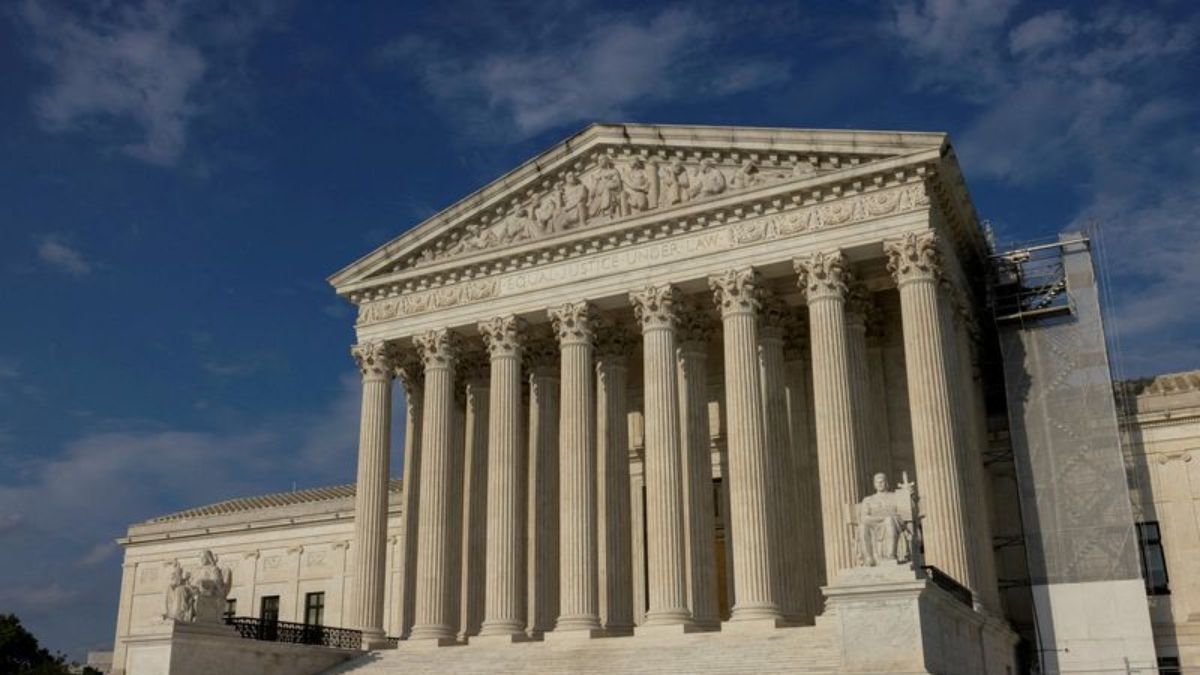
The U.S. Supreme Court did not issue a decision Tuesday on the legality of President Donald Trump’s tariffs, keeping markets and policymakers waiting for a ruling on a key part of his economic agenda.
Reports had suggested a decision might come at 10 a.m. Eastern, but the court’s list of rulings did not include the case.
Trump has relied on the 1977 International Emergency Economic Powers Act, or IEEPA, to justify tariffs on multiple countries. The law gives the president broad authority over international economic transactions during a national emergency.
At hearings last year, justices raised significant questions about the administration’s arguments. Markets and betting websites like Polymarket currently put the odds at about 36% that the court will side with Trump, though that number has risen slightly in recent weeks.
U.S. Trade Representative Jamieson Greer told the New York Times that even if the Supreme Court strikes down the tariffs, the administration is preparing new duties that could go into effect immediately.
The ruling could influence how Trump uses tariffs in the future, a policy tool he has often wielded in international negotiations. Most recently, he threatened additional duties on several European countries in an effort to secure U.S. ownership of Greenland.
European leaders have criticized these threats as a form of blackmail and are reportedly considering responses, including measures that could restrict U.S. access to the European Union, the world’s third-largest economy.
