
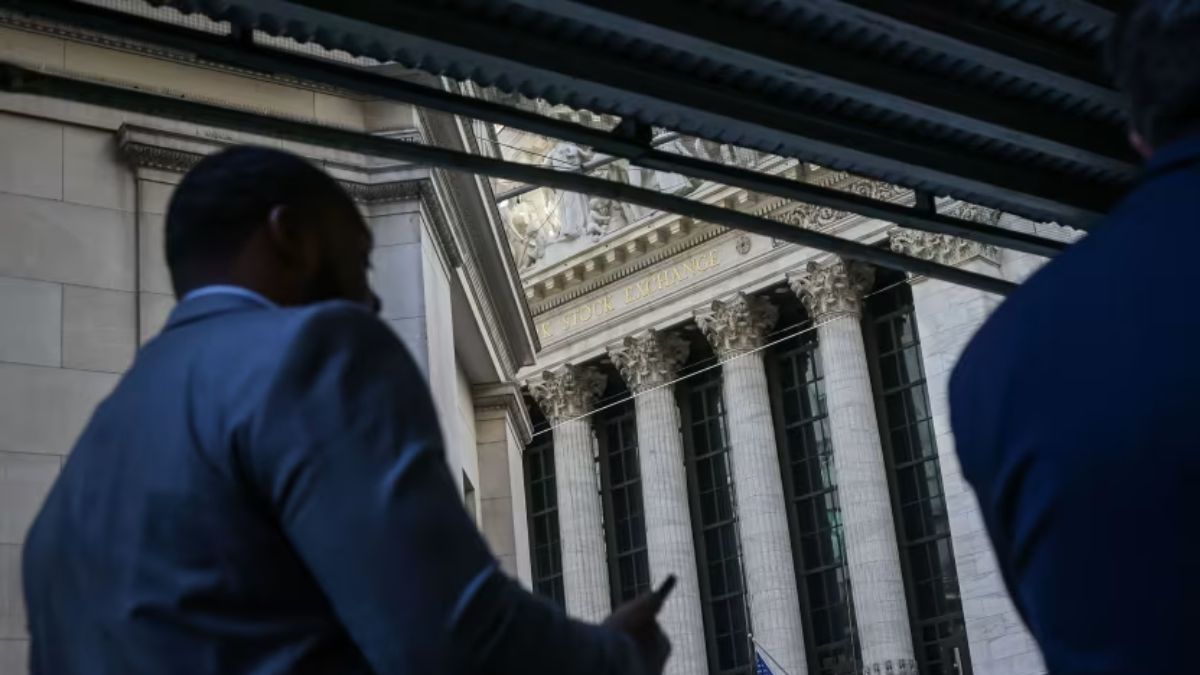
Stocks ended the day mixed on Friday as investors tried to look past worries about the government shutdown. The Dow rose 239 points, or 0.51%, though it had climbed as much as 530 points earlier. The S&P 500 barely moved, up just 0.01%, while the Nasdaq fell 0.28%.
In recent weeks, stocks have climbed on strong corporate earnings, excitement about artificial intelligence, and hopes that the Federal Reserve will cut interest rates. On Friday, the Dow led the gains as other sectors joined the rally, while some tech investors took profits. The Dow and S&P 500 even hit fresh record highs.
Historically, short-term government shutdowns have little lasting effect on the stock market. “Government shutdowns have been more headline events than bottom-line-affecting events,” said Sam Stovall, chief investment strategist at CFRA Research.
But there is another problem: the shutdown has paused crucial government data. The monthly jobs report from the Bureau of Labor Statistics was not released on Friday and will be delayed until the shutdown ends. This leaves investors without the usual updates on the economy, labor market, and inflation.
“The lack of updated labor data coincides with other signs of fragility in the economy,” said Mark Hamrick, senior economist at Bankrate. Economists and investors now have to rely on private sources, like ADP payroll data. ADP’s September report showed the private sector lost 32,000 jobs, which suggests the labor market is slowing. Still, private data is limited compared to official government reports. Paul Donovan, chief economist at UBS Global Wealth Management, said, “Private data is like viewing the economy through a keyhole, clear, but with a narrow field of vision. Official data is like opening the door.”
The shutdown also makes it harder for the Federal Reserve to assess the economy and set interest rates. With missing data, policymakers are “flying blind,” according to David Seif, chief economist at Nomura. If the shutdown lasts longer than usual, the Fed could have very little new information between its September and October rate decisions.
Despite the uncertainties, some experts advise focusing on the bigger picture. Paul Christopher, head of global investment strategy at Wells Fargo, said investors should look past the shutdown and concentrate on the main drivers of the economy over the next year. Expected catalysts include easing trade tensions and potential Fed rate cuts.
Even with record highs and recent gains, risks remain. The shutdown and missing data add uncertainty to the market, especially when stocks are historically expensive. Investors are keeping a close eye on how long the shutdown lasts and what it means for the labor market, inflation, and future Fed decisions.
