

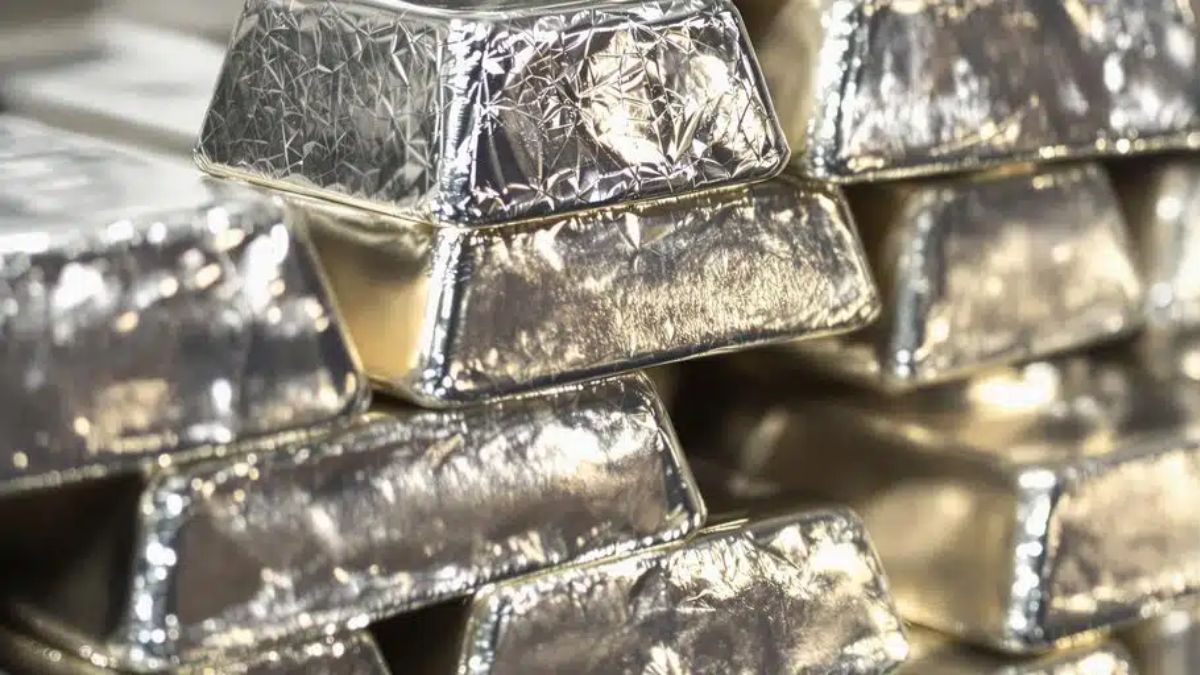
Spot silver fell sharply, dropping about 3% to roughly 70.58 USD per ounce in recent trading. This move reflects rising macroeconomic pressures, strong currency trends, and shifting investor sentiment that have pushed silver prices down from the highs seen earlier in the year. The slide highlights how volatile silver has become in 2026 as economic forces clash with demand fundamentals.
Silver’s price has been under pressure despite major geopolitical tensions in the Middle East and periods of strong demand. The recent drop keeps the metal well below its peak of about 121.6 USD per ounce hit in January 2026, leaving it more than 40% below those highs even after intermittent rebounds.
Macro pressures and Dollar rally weigh on Silver
One of the biggest reasons silver is falling is the strengthening of the U.S. dollar. Silver is priced in dollars globally, so when the dollar gains value it makes silver more expensive for buyers using other currencies. A strong dollar also tends to reduce buying interest in precious metals because investors can get better yields elsewhere.
Oil price shocks and inflation concerns are another factor. High energy prices have contributed to persistent inflation fears, which in turn have pushed markets toward expectations that the U.S. Federal Reserve may keep interest rates high for longer. Higher rates raise the opportunity cost of holding non‑yielding assets like silver, further reducing demand.
This combination of dollar strength and tighter monetary expectations has made silver less attractive as a hedge against inflation or geopolitical risk, especially compared to gold which tends to hold up better in uncertainty.
Industrial demand and supply dynamics still matter
Despite the recent price decline, silver’s long‑term fundamentals remain linked to its large role in industrial demand. More than half of annual silver consumption comes from industrial uses like solar panels, electronics, and electric vehicles. This structural demand creates inherent support for prices over time, even if short‑term movements are negative.
On the supply side, forecasts suggest the silver market may be in deficit for the sixth consecutive year, meaning annual demand outstrips production. A prolonged structural shortfall can act as a floor under prices over the medium to long term, even if near‑term macro forces dominate markets.
Technical analysts also point to key support near the $70 per ounce level, which traders view as an important floor in the current environment. A break below this could open the door for further declines, while a rebound above resistance levels near $72 to $75 per ounce may signal stabilization.
Silver’s Volatility Reflects Broader Market Trends
Silver is often more volatile than gold because it has both an investment role and a heavy industrial component. When markets fear recession or rate hikes, industrial demand can weaken, while safe‑haven flows may not fully offset that decline. This dual nature makes silver especially sensitive to shifts in economic data and financial conditions.
In early 2026, the metal experienced wild price swings, rising well above 100 USD per ounce before retreating sharply as investors reacted to changing inflation expectations and currency trends. Those swings underline how quickly sentiment can shift in commodity markets.
What comes next for Silver prices
Looking ahead, silver’s path will likely be shaped by several key forces. Continued strength in the U.S. dollar or persistent inflation could keep prices under pressure. On the other hand, any signs of a slowdown in interest rates, renewed safe‑haven demand due to geopolitical risk, or sustained industrial growth (especially in green energy sectors) could support higher prices over time.
For now, analysts and traders are closely watching economic data, Federal Reserve guidance, and currency trends for clues about where silver might head next. The recent drop to around 70.58 USD per ounce reflects short‑term headwinds, but silver’s long‑term story still rests on global demand and structural supply dynamics.