
Sleep tourism and wellness retreats may sound similar, but they are not the same, even though both focus on improving how people feel. The main difference lies in the intention of the experience and what the traveler is truly coming for.
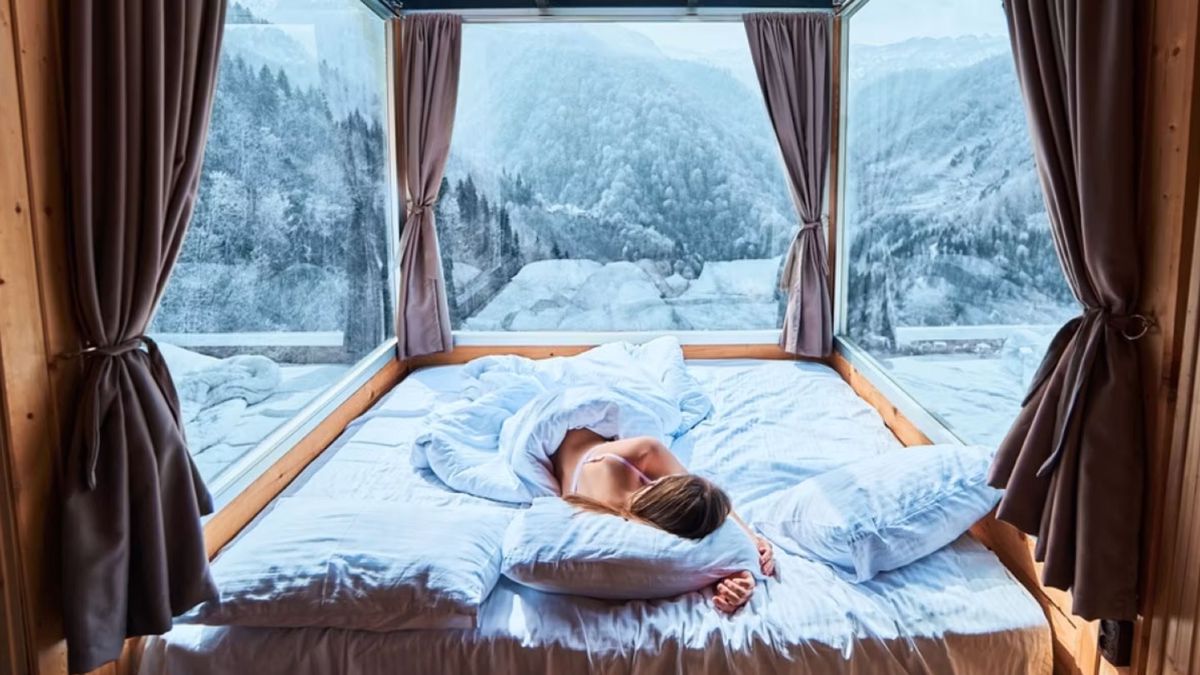
Sleep tourism is centered almost entirely around rest and better sleep. People choose these trips because they are exhausted, burnt out, or struggling with poor sleep. Everything in a sleep tourism experience is designed to help the body slow down and reset its sleep cycle. This includes quiet locations, comfortable rooms, controlled lighting, calming routines, and minimal schedules. There is no pressure to be active or productive. The goal is simple and clear: to sleep deeply and wake up feeling restored.
Wellness retreats, on the other hand, focus on overall health and personal improvement. They usually include a mix of activities such as yoga, meditation, fitness sessions, healthy meals, workshops, and sometimes emotional or spiritual healing practices. While rest is part of the experience, it is not the main focus. Wellness retreats often follow structured daily schedules that require participation and engagement throughout the day.
Another key difference is the energy level expected from guests. Sleep tourism allows people to do very little without guilt. Long naps, quiet evenings, and slow mornings are encouraged. In wellness retreats, guests are often expected to actively take part in programs, which can feel refreshing for some but tiring for others, especially those already burnt out.
Sleep tourism is ideal for people who feel mentally and physically drained and simply need deep rest. Wellness retreats are better suited for those who already have some energy and want to work on their health, habits, or personal growth.
In simple terms, sleep tourism is about stopping and resting, while wellness retreats are about improving and transforming. Both have value, but they serve very different needs depending on where a person is in their life.
