
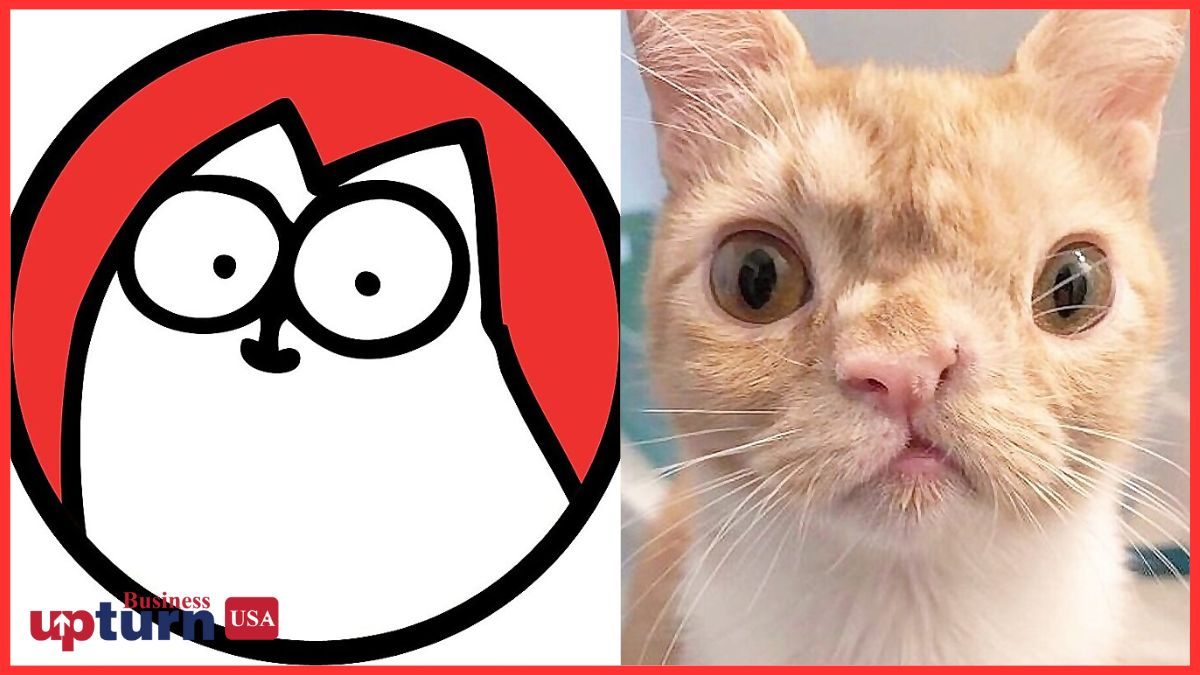
The pet influencer industry has exploded in the United States, with cats leading the charge in viral content. Americans have a particular soft spot for animals that blend humor, authenticity, and relatability, making felines perfect for brand collaborations and monetization strategies. Simon’s Cat, a British-born animated character, and Smush the Cat, an American rescue with a distinctively adorable appearance, represent two very different yet equally powerful business models in the U.S. influencer economy.
For American audiences, these cats are not just cute distractions. They are carefully positioned brands that generate revenue through diverse streams ranging from advertising to merchandise. By analyzing Simon’s Cat and Smush the Cat side by side, we can better understand how pet influencer business models thrive in the United States.
Simon’s Cat: From Animation to Multi-Platform Licensing Empire
Simon’s Cat began as a simple black-and-white animation on YouTube but has grown into a multi-platform empire. For U.S. audiences, its appeal lies in the universal humor of cat behavior — something every American cat owner can relate to. This relatability has made Simon’s Cat a household name across the country.
The monetization model of Simon’s Cat is heavily built on scalability. Revenue comes from YouTube advertising, book sales, licensing deals, mobile games, and branded merchandise. For U.S. fans, purchasing Simon’s Cat books or downloading mobile games has become a way to participate in the franchise. Brands in the U.S. have also collaborated with Simon’s Cat for advertising campaigns, making it a strong player in the pet-themed media licensing market.
YouTube and Ad-Supported Animation Revenue
In the United States, YouTube remains the primary driver of revenue for Simon’s Cat. The animations are ad-supported, meaning every view from an American audience contributes directly to the income stream. With millions of views across episodes, this model ensures continuous monetization as long as fans keep watching.
Beyond YouTube ads, U.S.-based platforms like Amazon Prime and partnerships with streaming networks have amplified exposure. Each additional outlet strengthens brand recognition in America, creating a loop where ad revenue fuels further licensing opportunities.
Books, Games, and Licensing for the American Market
Simon’s Cat has published multiple books that have sold widely in the U.S., leveraging the American love for humor-driven coffee-table titles. These books generate royalties and reinforce the brand’s literary credibility. Mobile games like Simon’s Cat: Crunch Time have also found success among U.S. audiences who enjoy casual gaming.
Licensing is a key revenue driver in the U.S. market. From greeting cards to calendars, Simon’s Cat products are sold in American retail outlets and online stores, extending the reach far beyond YouTube. This kind of licensing ensures a stable flow of income that doesn’t rely solely on digital views.
Smush the Cat: A Rescue Turned Relatable Brand
Smush the Cat’s business model is deeply tied to her rescue story and unique physical appearance. Born with facial deformities, Smush became an internet sensation not because of polished animation, but because of authenticity and emotional connection. For U.S. audiences, her story of resilience resonates with values of compassion, inclusivity, and animal rescue advocacy.
Unlike Simon’s Cat’s scalability, Smush’s income generation depends on personal branding, social media sponsorships, and community-driven monetization. The U.S. pet-loving community is particularly responsive to rescue animals, making Smush’s positioning ideal for brand collaborations that emphasize heartwarming authenticity.
Instagram Sponsorships and Branded Collaborations
Instagram is the lifeblood of Smush’s revenue model. U.S.-based pet product companies frequently sponsor posts to reach her engaged follower base. From cat toys to pet nutrition brands, Smush’s sponsored content resonates because it feels authentic rather than corporate.
For American audiences, seeing Smush endorse a product feels less like advertising and more like a trusted recommendation. This intimacy makes brands willing to pay premium rates for collaborations, especially when marketing campaigns are targeting compassionate pet owners.
Merchandise and Charitable Partnerships
Smush’s merchandising strategy is rooted in community support. T-shirts, mugs, and stickers featuring her face are popular among U.S. fans, not only as collectibles but also as symbols of support for rescue animals. Many merchandise sales tie directly into charitable causes, with proceeds going to shelters or veterinary care initiatives.
This blending of commerce and philanthropy creates a unique revenue stream. For U.S. consumers, buying Smush-branded items is not just an act of fandom but also a contribution to a cause they believe in, which significantly amplifies brand loyalty.

Comparing Brand Positioning in the U.S. Market
From a business perspective, Simon’s Cat operates like a large-scale media franchise, while Smush functions more like a community-centered influencer brand. Both approaches are effective in the U.S., but they cater to different consumer psychologies.
American fans of Simon’s Cat are attracted to humor and nostalgia, often buying merchandise or books that allow them to carry a piece of the animated world offline. Smush’s audience, on the other hand, connects emotionally with her rescue journey and uniqueness, supporting her brand because it represents kindness and inclusion.
Revenue Stream Diversification: Broad vs. Niche
Simon’s Cat diversifies across books, games, ads, and licensing, creating multiple income channels that appeal to U.S. consumers at scale. This breadth ensures financial sustainability even if one stream declines. U.S. fans who don’t watch YouTube videos may still purchase a calendar or a game, maintaining the revenue cycle.
Smush’s model is narrower but deeper in engagement. Her sponsorships and merchandise appeal to U.S. fans who value community-driven commerce. While she may not have the same licensing empire as Simon’s Cat, the emotional intensity of her audience translates into high brand trust and loyal repeat purchases.
The Role of American Brands in Monetization
For both Simon’s Cat and Smush the Cat, U.S. brands are crucial partners in monetization. Companies ranging from publishing houses to pet product startups see value in aligning with feline influencers who already command massive attention.
Simon’s Cat has worked with major corporate partners in publishing and gaming, while Smush’s brand collaborations tend to be with boutique or socially conscious companies. This reflects a broader U.S. trend where big entertainment franchises and grassroots influencer brands both thrive, but in different marketing lanes.
Digital Products and E-Commerce Expansion
Digital products are another area where U.S. consumers play a vital role. Simon’s Cat thrives in this arena with apps and games that generate revenue through in-app purchases and advertising. American casual gamers are a core part of this economy, ensuring ongoing income through microtransactions.
Smush, meanwhile, leverages e-commerce platforms like Etsy or Shopify to sell directly to U.S. fans. This direct-to-consumer approach gives her business model a grassroots charm, reinforcing community-driven authenticity while also keeping profit margins higher by cutting out middlemen.
Sustainability and Future of Feline Influencer Models in the U.S.
Both Simon’s Cat and Smush the Cat offer unique lessons in sustainability within the U.S. pet influencer market. Simon’s Cat has proven that scalable intellectual property can endure for decades, continuously refreshed through licensing and digital reinvention. Smush, on the other hand, shows that authenticity and compassion can build a profitable, loyal community that sustains income without requiring blockbuster-scale operations.
Looking forward, U.S. audiences are likely to demand even more transparency, inclusivity, and purpose-driven branding from pet influencers. Simon’s Cat may evolve through streaming partnerships and expanded game development, while Smush could deepen her role in animal advocacy campaigns that tie directly into U.S. philanthropic culture.
A Fresh Perspective: What These Cats Teach About the American Market
The most surprising insight about Simon’s Cat and Smush the Cat is how they highlight two opposite but complementary forces driving the U.S. economy: scale and intimacy. Simon’s Cat thrives on being everywhere at once, licensing its way into bookshelves, game consoles, and living rooms. Smush thrives on being deeply personal, fostering community and cause-driven commerce.
Together, they prove that the U.S. pet influencer industry isn’t one-size-fits-all. American fans sustain both large-scale empires and grassroots brands simultaneously, revealing a dual appetite for mass entertainment and authentic connection. For future pet influencers, the path forward may not be choosing between these models but blending them, creating hybrid strategies that combine the scalability of Simon’s Cat with the heartfelt authenticity of Smush.
This article is intended solely for informational and editorial purposes. It does not constitute endorsement or promotion of any artificial intelligence technology. Business Upturn makes no representations or warranties regarding the accuracy, completeness, or reliability of the information provided.