
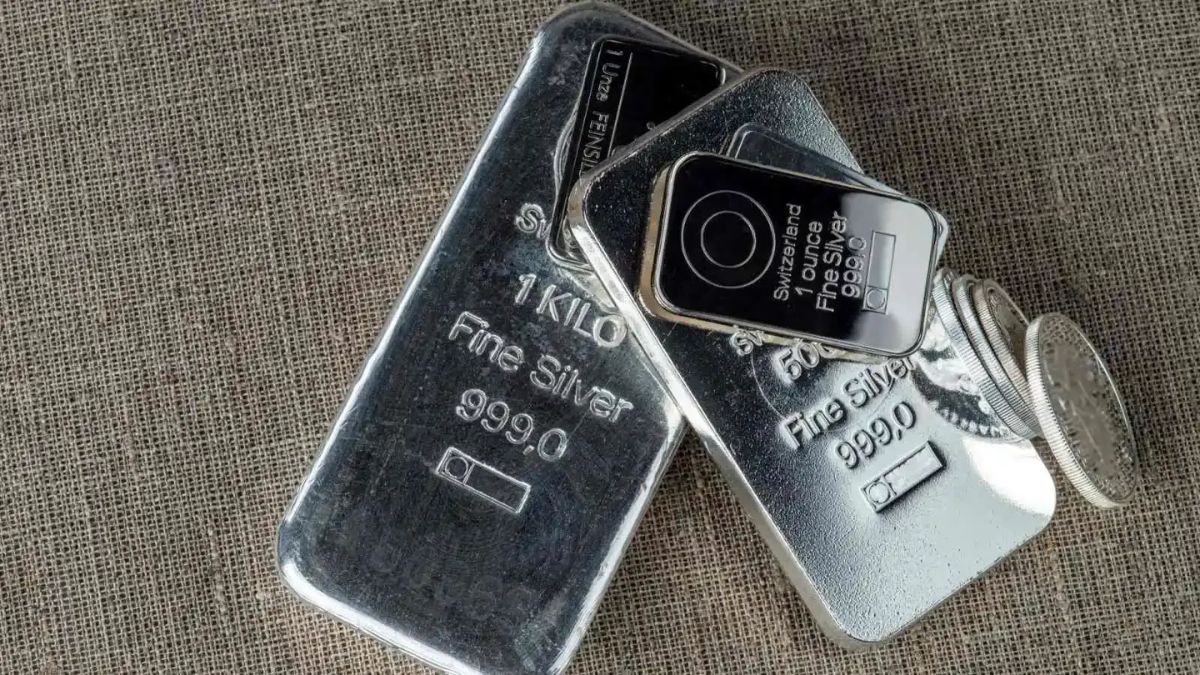
Silver’s blistering rally is no longer just a price story: it is rapidly turning into a supply-chain crisis. After surging nearly 150% last year, the white metal has extended its gains into early 2026, rising by roughly 33% in just a few weeks. The pace and scale of the move are now straining refineries, disrupting global trade flows, and forcing banks to redirect physical shipments to meet overwhelming retail demand.
The rally has been fueled by a toxic mix of geopolitical uncertainty under the Trump administration, renewed attacks on the US Federal Reserve’s independence, and a growing belief among consumers that precious metals remain one of the last credible safe havens. Unlike past cycles dominated by institutional flows, this surge is being driven decisively by retail buyers, and that shift is reshaping the market.
Retail silver frenzy spreads beyond China
China emerged as the first hotspot of the silver buying spree, with consumers aggressively accumulating coins and small bars as prices broke successive records. That momentum has now spilled across Asia and into the Middle East, transforming what began as a localized rush into a global phenomenon.
Queues have been reported outside bullion dealers in Singapore, while retailers in South Korea have seen frequent stockouts of popular bar sizes. In Dubai, demand has reached levels seasoned traders say they have never witnessed before.
“It’s the highest demand I’ve ever seen,” said Firat Sekerci, general manager of Public Gold DMCC, a Dubai-based bullion dealer, in a Bloomberg report. “Most refineries in Turkey have been out of stock for the smaller bars, 10 ounces, 100 ounces, for the past 10 days.”
Turkey has become one of the most extreme examples of the dislocation. Retail buyers there are reportedly paying premiums as high as $9 per ounce above London benchmark prices just to secure physical metal. Similar premium spikes are being observed across the Middle East, highlighting how local shortages are pushing prices far beyond global reference levels.
The sharp rise in premiums has forced global banks and bullion intermediaries to reroute silver shipments toward markets offering the highest returns, particularly Turkey and parts of the Middle East. According to dealers familiar with the flows, this has reduced availability in other major consuming regions, most notably India.
India, one of the world’s largest silver markets, is once again facing severe supply constraints. Demand is now stronger than during the October squeeze, when Diwali-related buying and fears over US tariffs drained liquidity from London vaults and pushed prices to their highest levels since the 1970s.
Retail appetite in India has intensified, especially for coins and smaller bars. “Whatever we manufacture, we sell. We could supply 25% more coins and bars, and the market would absorb it,” said Samit Guha, CEO of MMTC-PAMP India Pvt.
While the company more than doubled its silver dore imports between October and December compared with last year, it continues to struggle to keep pace with demand. MMTC-PAMP is also receiving requests to refine silver for customers in South Korea, the UAE, Vietnam, and Malaysia, underscoring how widespread the shortage has become.
Several structural factors are amplifying the supply crunch. Most refineries are optimized to produce large 1,000-ounce bars used in wholesale and exchange markets, not the smaller formats preferred by retail investors. Reconfiguring production lines is costly and risky, especially if demand proves temporary.
“It doesn’t make sense for refiners to ramp up production and invest in new lines” for smaller bars, said Sunil Kashyap, managing director of bullion trader FinMet Pte Ltd., citing uncertainty over how long the retail frenzy will last.
Inventories were already thin following last year’s squeeze. Although stockpiles linked to the Shanghai Futures Exchange briefly recovered in December, they have since fallen back toward post-October lows. Older bars with inconsistent purities are now being recirculated, a clear sign of stress in the physical market.
Despite soaring prices, demand shows little sign of easing. “Most retail silver purchases are made fully in cash rather than on margin, so even if prices pull back, many will simply hold on or even use dips to add to positions,” said Zijie Wu, an analyst at Jinrui Futures Co.
With geopolitical risks rising, trust in monetary authorities under pressure, and physical inventories stretched thin, analysts say the durability of retail demand will be the decisive factor in determining whether silver’s historic rally still has further room to run.
