
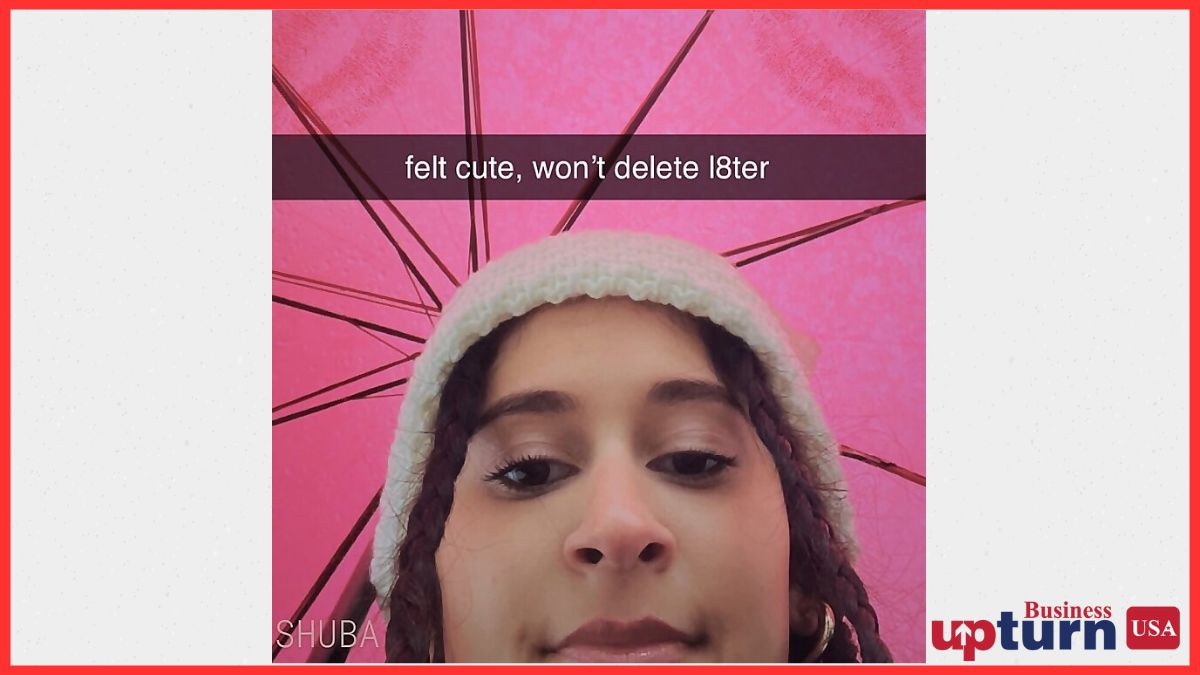
Shuba, a rising social media influencer, has cultivated an impressive online presence over the past few years. As of November 2025, her official Instagram account boasts approximately 1.8 million followers (source: Shuba’s Instagram profile, retrieved Nov 30, 2025). Her growth trajectory shows a steady, organic climb rather than a sudden viral spike, which speaks to her consistent content strategy and authentic engagement.
Her follower demographics are particularly interesting: a mix of teens and adults across Southeast Asia, with growing pockets of fans in North America and Europe. This diverse base reflects her global appeal and sets the stage for international collaborations.
Shuba’s growth is fueled not just by follower numbers, but by engagement rates. She consistently garners likes, comments, and shares that outperform the average for influencers in her tier. SocialBlade data (retrieved Nov 30, 2025) indicates her engagement rate hovers around 6%, which is notably higher than the industry average of 3–4% for accounts of her size.
Her community-first approach—interacting with followers via Instagram Stories, Q&A sessions, and live streams—reinforces loyalty. Fans often share her content, organically attracting new audiences and building what could be described as a micro-ecosystem of devoted supporters.
Shuba monetizes her influence through multiple revenue streams. According to publicly available industry data, influencers with 1–2 million followers typically earn between $3,000–$7,000 per sponsored Instagram post (source: HopperHQ influencer rates, Nov 2025). Shuba has collaborated with beauty brands, lifestyle products, and fashion labels, suggesting she operates within this mid-five-figure band per brand partnership.
In addition to standard sponsorships, she leverages affiliate marketing, where she earns commissions from products purchased via her referral links. Industry norms suggest 5–10% commission per sale, which, for a highly engaged audience, can translate into substantial recurring income.
Shuba’s brand partnerships often involve co-created content that resonates with her followers’ interests. For example, her recent collaboration with a skincare line included step-by-step tutorials and honest reviews, providing both value to her audience and strong conversion potential for the brand.
Affiliate links are strategically embedded in Instagram Stories and bio links, as well as cross-promoted on her YouTube channel. By combining sponsorship fees with commission-based sales, she effectively creates a layered revenue model that maximizes her earning potential while maintaining authenticity.
Beyond sponsored content, Shuba has started to explore digital products and personal merchandise. These include e-guides on content creation, limited-edition branded items, and online workshops. Industry estimates suggest that digital courses for influencers can generate $5,000–$20,000 per launch, depending on scale and pricing.
Merchandise sales also leverage her engaged fanbase, offering exclusive items through platforms like Shopify or Teespring. These tangible products not only diversify her income but also strengthen brand identity and community loyalty.
Shuba also monetizes through content licensing and cross-platform growth. By sharing her Instagram and TikTok videos across YouTube, Facebook, and emerging platforms, she taps into ad revenue streams. Typical YouTube CPMs range from $2–$5, so viral clips can add significant incremental revenue.
Licensing deals—allowing brands to reuse her content—provide another layer of income. This model leverages her existing creative assets to generate passive revenue while expanding her visibility globally.
Shuba’s business model is distinctly global. By partnering with multinational brands and optimizing content for multiple platforms, she transcends her local market. Her collaborations with international beauty and fashion brands suggest she actively targets audiences outside Southeast Asia.
Her multilingual content and culturally adaptable messaging allow her to resonate with diverse markets. This strategic approach transforms her personal brand into a scalable business, capable of generating income in multiple currencies and across various geographic regions.
Fans from Europe, North America, and other non-local regions play a crucial role in revenue diversification. Affiliate link clicks and digital product purchases from international audiences provide additional income streams beyond local market limitations.
Furthermore, international brand deals often offer higher fees than local partnerships, reflecting the broader exposure she provides. Shuba’s global reach enables her to command premium rates while simultaneously building a worldwide community that fuels recurring engagement and sales.
Shuba exemplifies how modern influencers can transform personal followings into robust, multi-layered businesses. Through a combination of sponsorships, affiliate marketing, digital products, merchandise, ad revenue, and licensing, she has constructed a sustainable model that thrives across borders.
Perhaps the most intriguing aspect of Shuba’s influence economy is her potential to foster a fan-driven micro-economy. Her engaged followers not only purchase products but often share them, participate in campaigns, and act as informal brand ambassadors. This community-driven loop not only amplifies her reach but also allows fans to become stakeholders in her brand ecosystem.
In the coming years, Shuba’s model may serve as a blueprint for other influencers aiming to combine authenticity with scalable global income. By nurturing both her audience and her business infrastructure, she’s not just generating revenue—she’s cultivating an enduring, participatory ecosystem where influence and enterprise grow hand in hand.
