

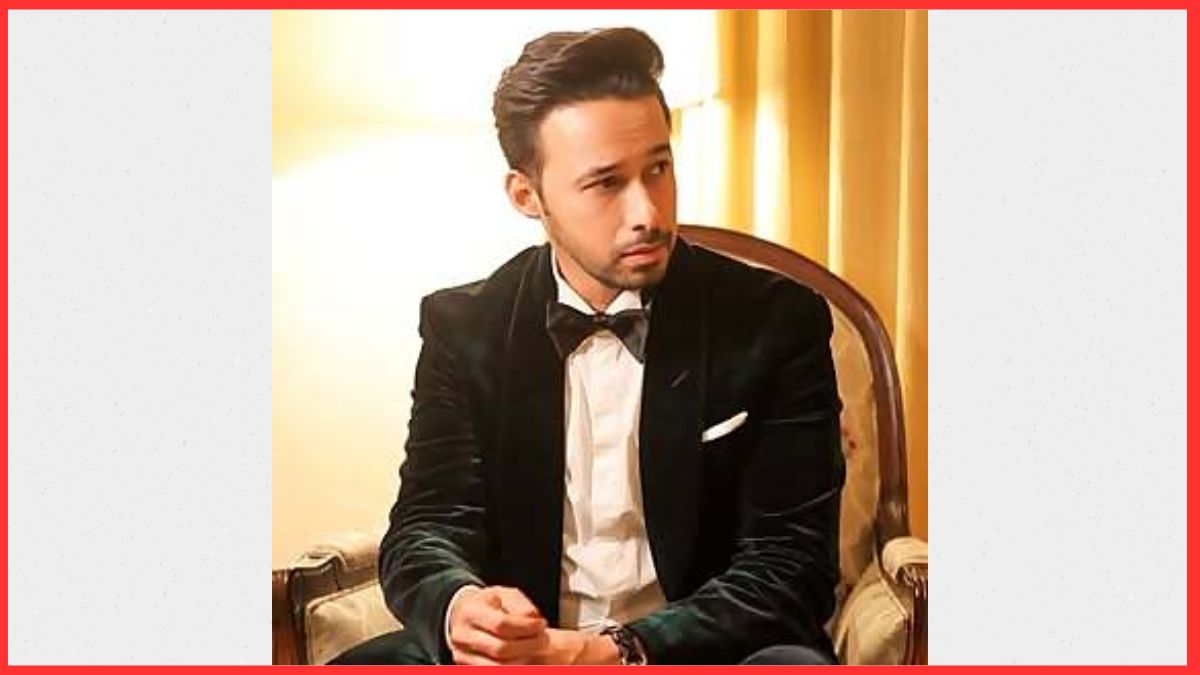
Rizwan Bachav is recognized within luxury lifestyle influencing circles as a digital creator associated with premium aesthetics, high-end lifestyle content, and brand-oriented social media storytelling. While verified public financial disclosures about his earnings are not available, his monetization structure can be analyzed through standard luxury influencer revenue frameworks commonly used in the U.S. creator economy.
In the United States, luxury influencers typically generate income through diversified digital business models rather than a single revenue stream. Bachav’s positioning aligns with this broader creator economy structure, which is driven by brand collaborations, affiliate ecosystems, and content monetization strategies.
Primary Income Source: Brand Collaborations and Sponsored Content
High-End Brand Partnerships
Luxury influencers in the U.S. earn a significant portion of revenue through paid partnerships with fashion, lifestyle, automotive, and travel brands. These collaborations are typically structured as sponsored posts, Instagram reels, or long-form video integrations.
For influencers in the luxury niche, campaign payouts vary widely based on audience size, engagement rate, and niche exclusivity. Premium creators with strong engagement often negotiate higher-value contracts due to their targeted audience appeal.
Campaign-Based Content Deals
Instead of one-off posts, many influencers secure bundled campaigns. These agreements may include:
- Multi-post Instagram campaigns
- Story sequences with product placements
- Short-form video endorsements on platforms like Instagram or TikTok
This structure provides more predictable revenue compared to single-post sponsorships.
Affiliate Marketing and Performance-Based Revenue
Luxury Affiliate Networks
Affiliate marketing is another core revenue stream in the U.S. influencer economy. Luxury influencers often share curated shopping links for premium products such as designer apparel, watches, skincare, or travel services.
Creators earn commissions when followers make purchases through tracked links. Commission rates vary depending on the affiliate program and product category, with luxury goods often offering competitive percentages due to high transaction values.
Conversion-Driven Content Strategy
High-performing influencers focus on:
- Product styling videos
- “Get the look” breakdowns
- Seasonal luxury gift guides
These formats are optimized to increase click-through and conversion rates.
Platform Monetization: Social Media Revenue Streams
YouTube Ad Revenue (If Applicable)
Influencers with YouTube presence can monetize via Google AdSense. Earnings depend on CPM rates, which in the U.S. typically vary by niche and audience demographics.
Instagram and TikTok Monetization Programs
While direct platform payouts are more limited on Instagram, TikTok’s Creator Fund and performance-based programs in the U.S. provide additional income based on views, engagement, and content reach.
Brand Extensions and Long-Term Business Models
Personal Brand Development
Many luxury influencers transition into entrepreneurial ventures such as:
- Digital product sales (style guides, presets, or courses)
- Consulting for brands on influencer marketing strategy
- Capsule collaborations with fashion labels
These income streams shift creators from purely sponsored income to scalable business ownership models.
Conclusion: A Multi-Stream Creator Economy Model
Rizwan Bachav’s presence within the luxury influencer category reflects a broader U.S.-driven trend where digital creators rely on diversified revenue ecosystems rather than a single income source. Brand partnerships, affiliate marketing, and platform monetization collectively form the backbone of this business model.
In the evolving American creator economy, luxury influencers succeed by combining aesthetic-driven content with strategic monetization systems that prioritize engagement, audience trust, and brand alignment.