
Return to Silent Hill has failed to reverse the long-running critical fortunes of the Silent Hill film franchise. Ahead of its theatrical release on January 23, the upcoming horror sequel has debuted with a stark 7% critics’ score on Rotten Tomatoes, marking another low point for a series that has struggled with reviewers for nearly 2 decades.
At the time of writing, the film’s score is based on 15 reviews, meaning it could shift slightly as more critiques are published. However, the early reception places Return to Silent Hill firmly in line with its predecessors. The original Silent Hill from 2006 holds a 33% critics’ score, while 2012’s Silent Hill: Revelation sits at just 8%. Audience scores for those films were notably higher, at 63% and 35% respectively, but still reflected a sharply divided response to the franchise.
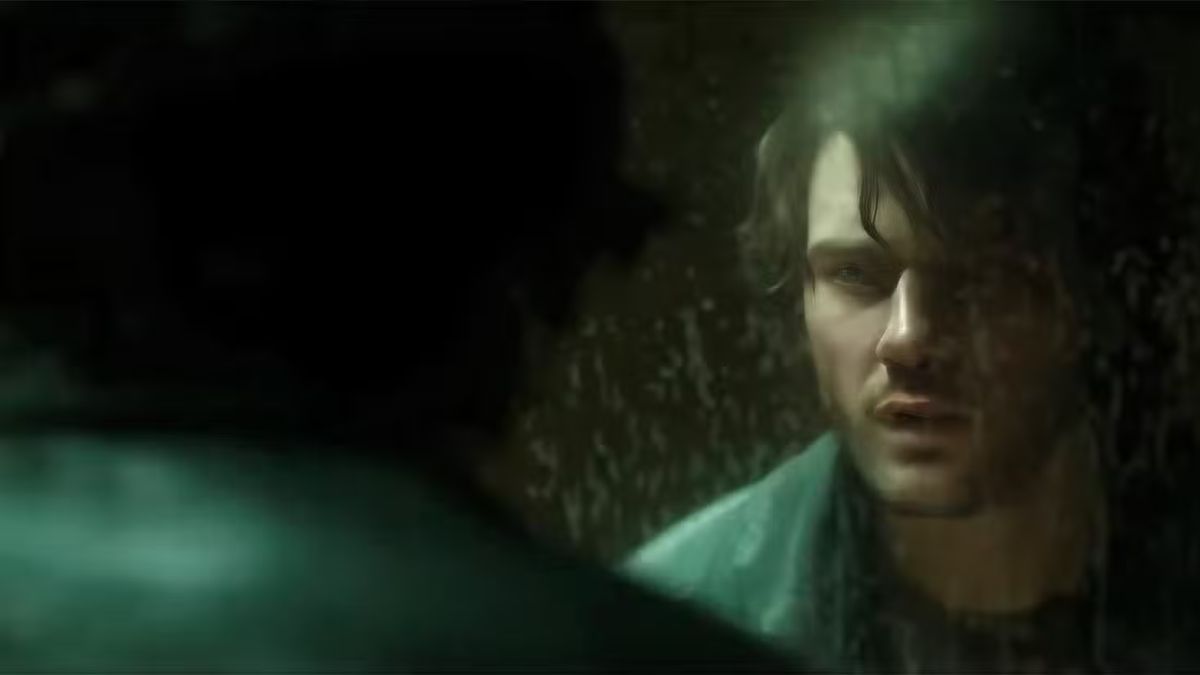
Directed and co-written by Christophe Gans, who also helmed the 2006 original, Return to Silent Hill draws inspiration from the widely acclaimed video game Silent Hill 2. The film follows James Sunderland, portrayed by Jeremy Irvine, a man lured back to the haunted town of Silent Hill after receiving a mysterious letter from his long-lost love. What he finds is a familiar landscape consumed by darkness, populated by grotesque creatures, and shaped by revelations that steadily erode his grip on reality.
The cast includes Hannah Emily Anderson as Mary and Evie Templeton as Laura. Templeton previously voiced and performed motion capture for Laura in the Silent Hill 2 video game remake, a detail that initially raised hopes among fans for a more faithful adaptation.
Critics, however, have largely agreed that while the film captures the surface-level aesthetics of the source material, it fails to translate its emotional core. Gans has received some praise for recreating Silent Hill’s signature fog, industrial decay, and nightmarish visuals, but reviewers argue that atmosphere alone is not enough. Many feel the film misunderstands what made Silent Hill 2 resonate so deeply, namely its psychological complexity, oppressive dread, and thematic focus on guilt and grief.
Instead, Return to Silent Hill has been described as visually evocative but emotionally empty. Storytelling emerges as the most common criticism, with reviews calling the plot confusing, inert, or nonsensical. James Sunderland is frequently labeled a passive protagonist, and the film’s narrative momentum reportedly stalls without delivering meaningful tension or payoff. Scares are said to land inconsistently, performances veer toward excess, and the visual effects feel dated rather than unsettling.
Even among fans of the franchise, enthusiasm appears muted. Familiar imagery and iconography seem to be the film’s primary appeal, rather than any fresh interpretation or narrative ambition. For most critics, Return to Silent Hill stands as both a disappointing adaptation and an ineffective horror film in its own right.
With its opening Rotten Tomatoes score reinforcing the franchise’s reputation rather than redeeming it, Return to Silent Hill underscores a persistent challenge for video game adaptations: capturing not just the look, but the soul, of the material that inspired them.
