
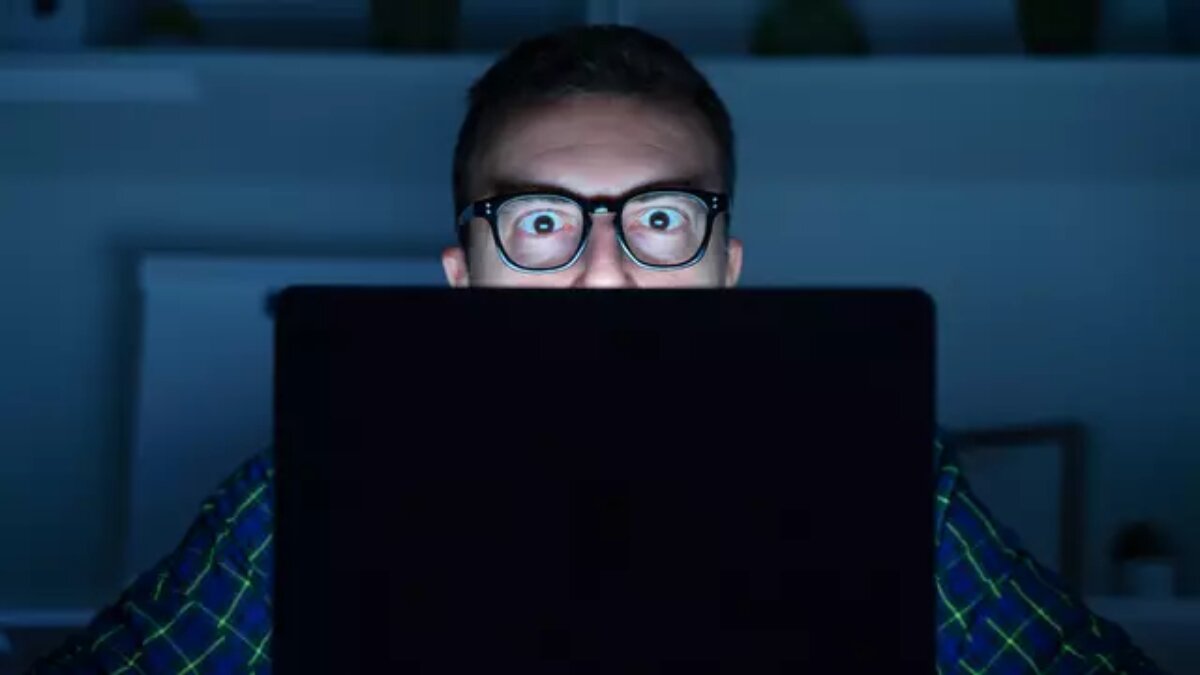
With spooky season creeping closer, plenty of true crime fans are already lining up their binge lists. From The Ed Gein Story, the latest installment of Ryan Murphy’s chilling Netflix Monsters series, to Disney+’s Murdaugh: Death in the Family—which unpacks the high-profile South Carolina murder scandal—this fall’s offerings promise more than enough blood-curdling content to keep viewers glued to their screens.
But before you dive headfirst into a marathon of grisly docuseries, mental health experts are sounding a note of caution: overindulging in true crime could have serious psychological consequences.
“You become very anxious, or you become depressed because of this true crime you’re watching,” explained Dr. Chivonna Childs, a psychiatrist at the Cleveland Clinic, in a recent interview with MindSite News. “That’s when it is detrimental to our mental health.”
According to Childs, immersing yourself in real-life stories of violence and murder can heighten paranoia. Instead of simply enjoying the suspense, viewers may begin to see danger lurking around every corner, even in ordinary daily situations.
“[This] is when you’re extra jumpy, everything scares you,” she said. “You think there’s a killer around every corner. You think every white van has a killer in it.”
The ripple effects don’t stop at anxiety. This kind of hyper-vigilance, she warned, can also bleed into how we interact with others. Because so many true crime stories involve perpetrators who knew their victims—neighbors, friends, even family members—consumers of this content may start distrusting people in their own circles.
“We might start to treat people differently, even people who did nothing wrong other than they look like somebody we saw on this true crime show,” Childs added. “That’s where we go into isolation, not wanting to be around other people, keeping to ourselves.”
Rachel Monroe, a New York-based true crime journalist and author, echoed these concerns. She pointed out that while tales of serial killers dominate pop culture, they actually represent a tiny fraction of real-world crime.
“If you’re just constantly reading about terrible things that happen to other people, it starts to feel like that’s everywhere,” Monroe explained. “Even when it’s actually quite rare.”
In reality, crime statistics show that people are far more likely to be harmed by someone they know than by a mysterious stranger. Yet because the most sensational cases tend to get the most coverage, audiences can walk away with a warped sense of what threats actually look like.
This effect is particularly pronounced among women. Studies show women consume true crime media at higher rates than men, often motivated by a desire to learn protective strategies. A 2021 study in the Archives of Sexual Behavior found that women who were more fearful of sexual assault reported higher levels of true crime consumption, suggesting it can feel like a form of preparation or self-defense.
Monroe sees this fascination as part of a larger cultural dynamic: “As a society, we glamorize murderers even as we condemn them. And so I think that certainly women who consume that culture are just as susceptible as the rest of us to finding that fascination.”
