

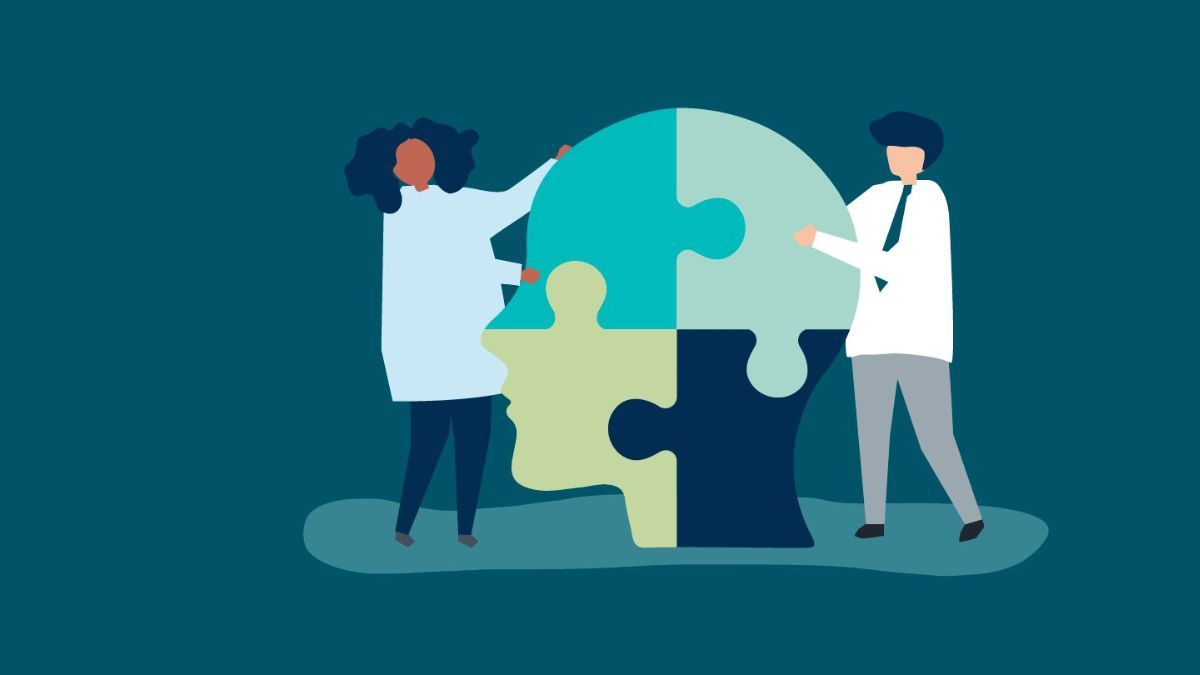
Outgrowing yourself sounds like a powerful idea, but when you actually go through it, it can feel confusing, uncomfortable, and even a little lonely. It is not just about becoming better. It is about becoming different, and that shift is not always easy to handle.
At some point, you start noticing that the version of you that once felt natural no longer fits. Your habits, your reactions, even the way you think begins to change. Things that once made sense to you may now feel off. This creates an internal conflict because a part of you still feels attached to who you used to be, while another part is pushing you to evolve.
One of the hardest parts is identity. You are used to seeing yourself in a certain way, and suddenly that image starts breaking. You may question your choices, your personality, and even your direction in life. It can feel like you are losing yourself, when in reality, you are reshaping yourself. But that difference is not always clear in the moment.
There is also a sense of grief that comes with outgrowing yourself. You are not just leaving behind bad habits or mistakes. You are also leaving behind familiar versions of you that once helped you survive. Even if those versions were not perfect, they were comfortable. Letting go of them can feel like saying goodbye to a part of your own story.
This process often creates distance between you and others. The way you think, communicate, or respond may start changing, and not everyone will understand that shift. Some people may expect you to stay the same because that is the version they are comfortable with. This can make you feel misunderstood or isolated, even when you are doing what is right for your growth.
Another hidden struggle is self-doubt. When you are in the middle of change, nothing feels fully stable. You may wonder if you are making the right decisions or if you are just overthinking everything. Because you are no longer operating from your old patterns, you don’t always have clear answers, and that uncertainty can be unsettling.
Outgrowing yourself also requires you to take more responsibility. You become more aware of your choices, your actions, and their impact. It becomes harder to ignore things or stay in denial. This level of awareness can feel heavy because you can no longer go back to being unaware or passive.
At times, you might even miss your old self. Not because it was better, but because it was easier. There was less overthinking, less questioning, and less emotional effort. Growth asks more from you, and naturally, that can feel tiring.
But this struggle is not a sign that you are going in the wrong direction. It is actually a sign that you are evolving in a real and meaningful way. Outgrowing yourself means you are no longer settling for what is familiar if it does not align with who you are becoming.
With time, the confusion starts to turn into clarity. The discomfort starts to feel like strength. And the version of you that once felt uncertain begins to feel more authentic and stable.
Outgrowing yourself is not a clean or easy process. It is messy, emotional, and deeply personal. But it is also one of the most honest transformations you can go through, because it brings you closer to who you truly are.