
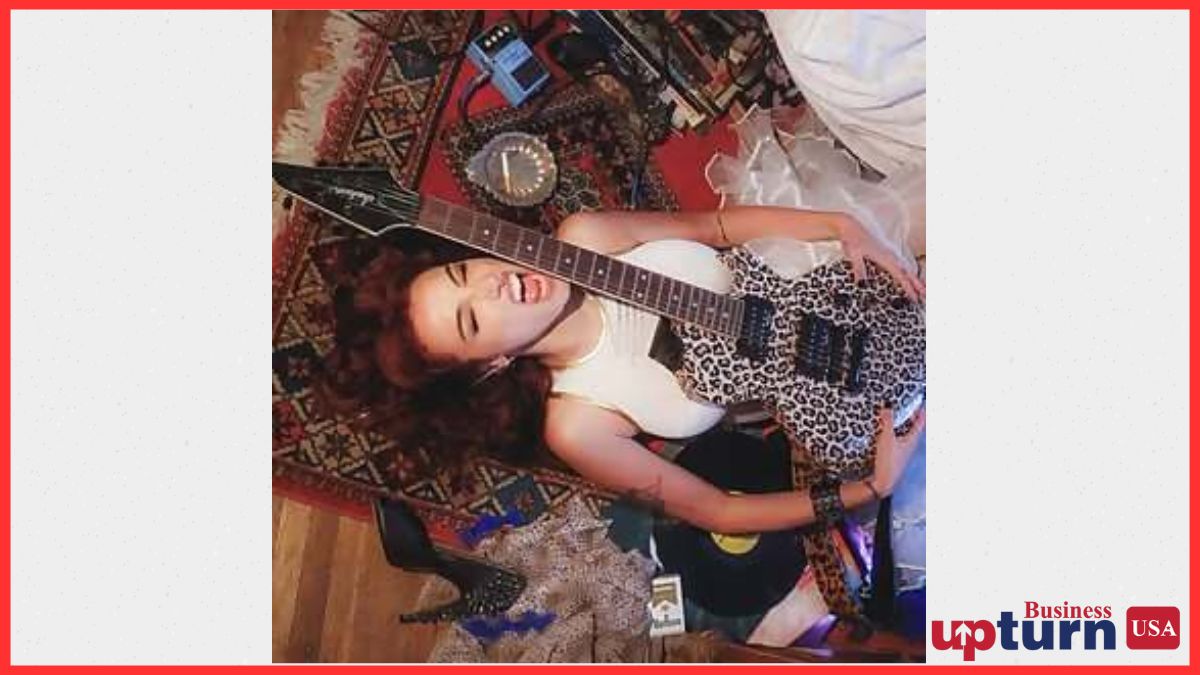
Olivia O’Brien’s story begins long before she became a recognizable name in pop music. Born on November 26, 1999, in Thousand Oaks, California, and raised in Napa, she discovered her love for singing at age seven. She later taught herself guitar and piano, choosing music not just as a hobby but as a way to navigate the emotional terrain of adolescence. From a young age, she gravitated toward writing her own songs, transforming her voice into a channel for honesty and catharsis.
As a teenager, she began sharing covers and original music on SoundCloud, a digital playground that would eventually help her find her footing in the industry. One of those early uploads—a cover of Gnash’s music—caught his attention. Impressed by the rawness of her tone and the vulnerability of her writing, Gnash reached out. What followed would forever alter Olivia’s trajectory: an invitation to collaborate on a song that would become a global breakout.
The Viral Explosion of “i hate u, i love u” and Olivia’s Breakthrough Moment
Their collaboration, “i hate u, i love u,” released in March 2016, became a runaway success. The song peaked at No. 10 on the Billboard Hot 100 and reached No. 1 in Australia, propelling Olivia from a teen recording songs in her bedroom to a rising global artist. The track resonated with millions because it was painfully honest—a hallmark of Olivia’s future approach to writing and connecting.
That breakout moment unlocked new doors for her, leading to a deal with Island Records and laying the groundwork for her evolving identity as a pop artist with emotional clarity. What made her stand out, even early on, was not just her voice, but the specific intimacy of her storytelling—something her growing fanbase immediately recognized and embraced.
Crafting Her Identity as a Pop Artist Under Island Records
Following her breakout success, Olivia released her first official solo single, “Trust Issues,” in August 2016. That year, she also dropped “Root Beer Float,” a collaboration with blackbear that leaned into a more playful direction. These releases demonstrated her versatility early in her career, showcasing a young artist unafraid to shift tones as she found her footing.
By 2017, she released her debut EP, It’s Not That Deep, which offered listeners a cohesive introduction to her voice as a solo artist. A mix of introspective lyrics and confident melodies, the EP also marked her arrival as a serious songwriter who wasn’t afraid to unpack personal experiences—especially those that many young listeners relate to.
The Debut Album Era and Finding Her Sonic Identity
Her debut full-length album, Was It Even Real?, arrived in April 2019. The project explored themes of self-doubt, heartbreak, and self-discovery. It struck a chord with fans who saw their own internal conflicts in her lyrics. The album strengthened her artistic foundation, proving she could craft a full body of work while maintaining the vulnerability that initially made listeners gravitate toward her.
As her sound evolved—blending elements of R&B, electro‑pop, and contemporary alt‑pop—Olivia built a reputation for writing songs that sound like journal entries set to melody. This blend of emotional transparency and genre flexibility continues to shape her brand today.
Olivia O’Brien’s Instagram Influence and Digital Presence as a Modern Pop Creator
On Instagram, Olivia O’Brien—@oliviaobrien—has approximately 1.2 million followers as of the most recent public data. Her Instagram approach differs from the overly polished aesthetic many pop stars lean toward. Instead, she shares candid reflections, unfiltered snapshots, studio clips, tour photos, and aesthetic visuals that match the tone of her releases.
This authenticity-first strategy helps fans feel as though they’re witnessing her evolution in real-time. In a digital era where followers crave connection over perfection, Olivia’s relatability becomes a powerful asset. It not only solidifies her influence but continually strengthens her audience engagement.
A Multi-Platform Pop Ecosystem Rooted in Honest Connection
Beyond Instagram, Olivia’s digital ecosystem thrives on streaming platforms. She consistently draws millions of monthly listeners on Spotify, with a catalog that has collectively gained billions of streams. Her presence on TikTok—where songs like “Josslyn” gained viral momentum—also contributes to her digital reach.
Together, these platforms form a self-sustaining ecosystem around her brand. Her fans don’t just consume one form of content—they follow her across platforms, fueling a multilayered engagement cycle that drives both visibility and revenue.
The Evolution of Olivia’s Sound and Why Her Authenticity Resonates Worldwide
Olivia’s music has undergone a natural evolution as she’s grown both personally and creatively. From the aching honesty of her early heartbreak tracks to the more empowered, contemplative tone of recent work, she continually adapts her sound to reflect her emotional world.
Songs like “Josslyn” capture an unfiltered feeling of betrayal and frustration, while later tracks such as those on her 2024 EP Love & Limerence explore more nuanced narratives. This ability to let her artistic identity shift—as opposed to forcing herself into a fixed commercial mold—is part of why fans around the world feel connected to her.
How Authenticity Becomes a Business Advantage in the Modern Pop Landscape
Fans don’t just listen to Olivia’s songs—they relate to her stories. This emotional entry point is what strengthens her global audience behavior. Listeners in different countries may not share the same cultural context, but they understand heartbreak, self-growth, and vulnerability.
That universally resonant emotional landscape is one of the core pillars of her international relevance. In a world where trends shift quickly, Olivia’s authenticity gives her longevity because it anchors her brand in something timeless: human emotion.
From Signed Artist to Independent Force: Olivia O’Brien’s Entrepreneurial Pivot
In March 2023, Olivia announced through TikTok that she had parted ways with Island Records due to creative differences. It was a defining moment—one that looked less like a setback and more like liberation. Many artists feel constrained within major label structures, but Olivia saw the opportunity for reinvention.
In 2024, she launched her own label, Girlhood Records, partnering with Warner Music Group’s ADA for distribution. The move signaled her shift from artist to entrepreneur, giving her control over release schedules, creative direction, and—crucially—ownership.
Becoming a Label Owner and Rewriting the Rules of Pop Independence
With Girlhood Records, Olivia released new work including Love & Limerence and Everywhere I Go, There I Am. Each release further proved that her independence allowed her a more flexible, organic, and personalized creative process. She no longer had to tailor her sound to industry expectations—only to her own artistic vision.
This independence also allowed her to manage her business more holistically. Without the interference of traditional commercial gatekeepers, she could build a direct-to-fan model that feels more intimate and more empowering.
A Deep Dive Into Olivia O’Brien’s Ethical and Creative Revenue Model
Olivia’s revenue ecosystem is diverse, modern, and intentionally built for longevity. Rather than relying solely on one income stream, she embraces a hybrid model that mirrors how digital-era pop stars sustain themselves.
Major revenue components include:
- Streaming royalties: With billions of streams, platforms like Spotify and Apple Music remain core generators.
- Publishing royalties: As a songwriter on much of her discography—including her contributions to “i hate u, i love u”—she earns mechanical and performance royalties.
- Independent releases: Through Girlhood Records, she earns a larger share of profits from music distribution.
- Touring: Live performances remain essential for visibility, community building, and direct revenue.
- Merchandising: Her merch often reflects her aesthetics—color palettes, phrases, and themes fans already connect with.
- Brand partnerships: Her Instagram influence and relatable persona make her a strong fit for lifestyle, beauty, or fashion collaborations.
- Licensing: Sync opportunities for film, TV, and digital media expand her reach and income.
Together, these streams form a sustainable, ethical business model that respects both artistic integrity and financial stability.
How Olivia’s Monetization Differs From Traditional Pop Models
Unlike many artists who depend heavily on major-label promotion, Olivia’s approach is community-driven. Her revenue comes from fans who support her because they trust her—not simply because of marketing campaigns.
Additionally, owning her masters gives her the ability to benefit from long-term catalog value. Many artists only earn heavily during touring cycles, but Olivia’s diversified structure allows her to generate income even during quieter creative periods.
Understanding Olivia’s Global Influence and International Fan Behavior
Olivia’s music performs consistently well across multiple regions. While she is American, her streaming numbers highlight a broad international presence. Fans discover her through playlists, TikTok trends, and peer recommendations rather than large promotional rollouts.
Listeners around the world respond to the emotional universality of her music. Whether it’s the teen in Brazil who discovered her through a playlist, or the college student in Germany who connected with a lyric she posted on Instagram, Olivia’s influence is rooted in genuine resonance.
Why Fans Like Us Find Olivia O’Brien So Distinct and Compelling
As fans, what draws us to Olivia is not just her voice—it’s the emotional clarity behind her work. She feels real. She feels accessible. She communicates the kind of honesty that turns casual listeners into long-term supporters.
Her growth is visible, her mistakes are acknowledged, and her triumphs feel like shared victories. In an era where fame can feel distant, Olivia’s approach brings closeness.
