
Once considered an esoteric art reserved for the spiritually curious, tarot has evolved into a dynamic global industry that blends intuition, creativity, and entrepreneurship. In the digital age, tarot reading isn’t just about cards and symbolism — it’s about community-building, storytelling, and business innovation. Today, professional tarot readers and spiritual entrepreneurs are redefining what it means to make a living from intuition.
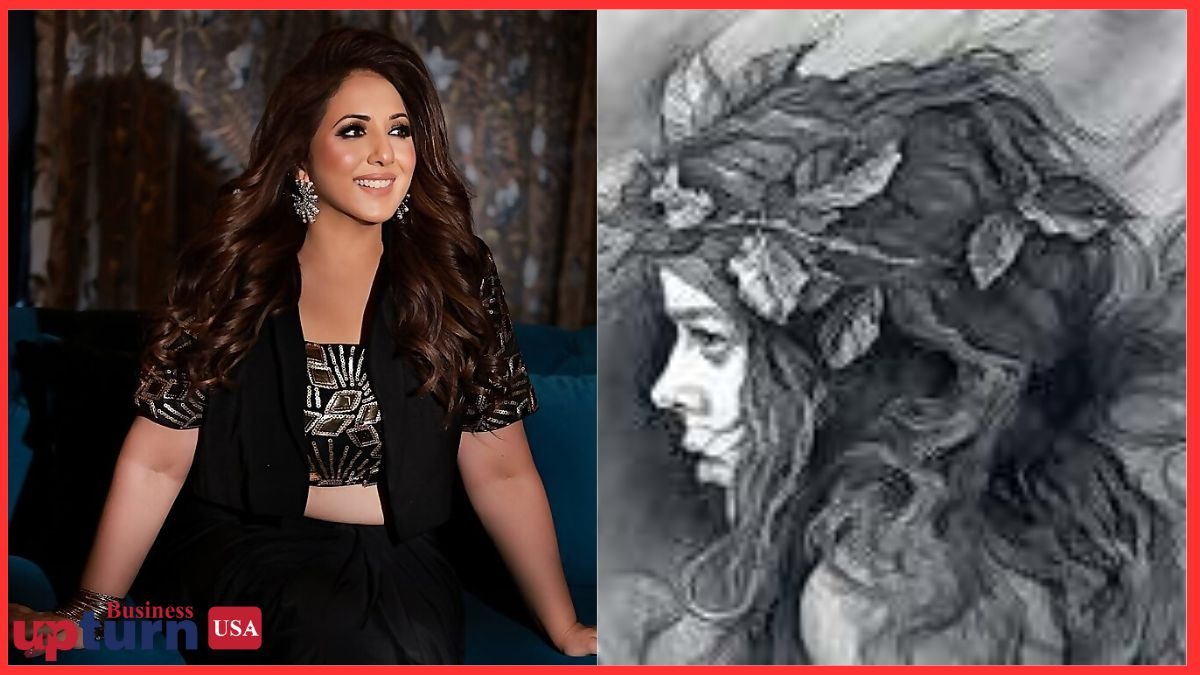
Among the brightest names in this global movement stand Munisha Khatwani and Julia Jeffrey Burgess — two influential tarot entrepreneurs who have built powerful, distinct business ecosystems around their spiritual gifts. Khatwani, based in India, has turned her celebrity charisma and intuitive expertise into a thriving mentorship and media brand. Burgess, hailing from the creative heart of the West, has woven her artistic vision into one of the most beloved tarot deck empires in the world.
This article explores how both women turned spiritual insight into sustainable business models, analyzing their income strategies, monetization approaches, and brand architectures. Together, they represent two sides of the same coin — the art and business of modern intuition.
The Rise of Spiritual Entrepreneurship in the Digital Age
Tarot reading, once a quiet, personal exchange, has transformed into a digital industry with global reach. Social media, video platforms, and online marketplaces have made it possible for spiritual practitioners to connect with clients across continents. Platforms like YouTube, Instagram, and Patreon have become the new temples of intuitive wisdom, enabling tarot readers to monetize through memberships, digital courses, and content sponsorships.
The shift from in-person readings to digital spirituality businesses mirrors larger trends in wellness and personal growth. As mental health and mindfulness industries expand, tarot has become a bridge between intuition and empowerment. Millennials and Gen Z audiences, in particular, view tarot not just as fortune-telling but as a reflective tool for emotional and spiritual wellness.
Munisha Khatwani — From Television Stardom to Tarot Business Empire
Before she became one of India’s most recognized tarot personalities, Munisha Khatwani was already a familiar face in entertainment. Her background in television gave her a head start in brand visibility and communication — two assets she would later translate into her spiritual business empire.

Today, Khatwani’s business model stands as one of the most diversified in the Indian spiritual landscape. From personalized tarot consultations to celebrity readings, workshops, online courses, and brand collaborations, she has crafted a model that merges media influence with spiritual mentorship.
Income Streams and Monetization Strategies
Khatwani’s primary income streams stem from private tarot readings, celebrity consultations, brand collaborations, and workshop hosting. Her television background allows her to position herself not just as a tarot reader but as a lifestyle authority. Collaborations with lifestyle brands and spiritual platforms further amplify her presence.
She also leverages social media platforms like Instagram and YouTube for visibility, where she shares daily readings, motivational content, and course promotions. Her presence on digital platforms acts as a lead-generation funnel for her premium services, such as mentorship programs and paid webinars.
In India’s rapidly growing market for digital spirituality, Munisha has tapped into a niche that blends entertainment and enlightenment. Her dual identity as a media personality and a spiritual guide expands her reach far beyond traditional client circles.
The Scalable Side of Her Brand
Khatwani has successfully evolved from one-on-one readings to scalable business models. By offering online workshops, group mentorships, and self-paced digital courses, she ensures that her expertise reaches larger audiences without the limitations of personal availability.
Her media trust and credibility make her brand aspirational yet approachable — a key factor in client retention and course enrollment. This trust-based brand positioning ensures a sustainable flow of income even when she is not actively conducting readings. Her tarot business model highlights how personal branding, content marketing, and mentorship can converge to create a long-term revenue ecosystem.
Julia Jeffrey Burgess — Artistic Intuition Meets Global Brand Strategy
Across the globe, Julia Jeffrey Burgess represents a different yet equally powerful branch of the tarot economy. Known for her artistic tarot creations such as The ShadowScapes Tarot, Burgess has built a spiritual brand rooted in artistry, design, and storytelling.
Her journey reflects the merging of art and intuition — transforming her creative expression into a sustainable business. Through a combination of deck sales, art licensing, Patreon memberships, and digital community engagement, Burgess has built an international spiritual brand that prioritizes authenticity and creative ownership.
Monetization Through Art, Design, and Community
Unlike service-driven models, Burgess’s business revolves around product-based monetization. Her revenue streams include royalties from tarot decks, art print sales, licensing deals, Patreon support, and limited-edition merchandise. Each product extends her brand narrative, offering her audience both art and meaning.
Burgess utilizes platforms like Patreon and Etsy to engage with her global fan base, offering behind-the-scenes content, early access to artworks, and exclusive spiritual insights. This direct-to-consumer approach allows her to bypass intermediaries, ensuring fair compensation for her creative labor.
Community engagement is at the heart of her model. By nurturing a loyal base of supporters who resonate with her art and message, she ensures organic growth through word-of-mouth and fan-driven promotion — a hallmark of successful tarot entrepreneurship.
Building an Ethical, Creative, and Global Spiritual Brand
Julia Jeffrey Burgess’s emphasis on creative ownership and ethical storytelling sets her apart in the global tarot business model landscape. She prioritizes sustainable production practices, supports independent publishing, and often collaborates with like-minded creators.
Her intellectual property — particularly her tarot artwork — functions as a long-term income asset. While Munisha Khatwani’s empire thrives on service scalability, Burgess’s model ensures passive income through product longevity and continuous global demand. This distinction underscores how creativity and commerce can coexist harmoniously in the modern spiritual industry.
Comparing Their Business Models — Service vs. Product-Based Intuition
Munisha Khatwani and Julia Jeffrey Burgess represent two complementary yet distinct tarot business models. Khatwani’s empire thrives on personalized services, mentorship, and media branding, while Burgess’s focuses on product creation, artistic integrity, and global licensing.
Both models are rooted in authenticity but differ in execution. Khatwani scales through human connection and influence, whereas Burgess scales through creative production and intellectual property. Together, they showcase the diversity of monetization strategies in the tarot influencer income ecosystem.
Revenue Structure Comparison
Khatwani’s revenue model includes private readings, workshops, collaborations, and media appearances, while Burgess’s focuses on deck royalties, art prints, and Patreon subscriptions. Each uses diversification to ensure brand longevity.
This combination of active and passive income highlights how modern tarot entrepreneurs balance real-time engagement with sustainable, recurring revenue streams. Their structures illustrate two successful blueprints for spiritual monetization in the digital economy.
Audience and Market Dynamics
Khatwani primarily caters to a South Asian audience, including Bollywood clients and spiritual enthusiasts, positioning her brand within the entertainment-infused Indian spiritual ecosystem. In contrast, Burgess appeals to Western audiences drawn to artistry, mysticism, and creative introspection.
Each has mastered market adaptation: Khatwani aligns her offerings with India’s content-driven digital market, while Burgess optimizes her brand for Western e-commerce and collector culture. Their tarot business models reflect regional nuances while maintaining universal spiritual appeal.
Lessons for Aspiring Tarot Entrepreneurs
For emerging readers and creators, the journeys of Munisha Khatwani and Julia Jeffrey Burgess offer valuable lessons in tarot monetization strategies and ethical growth.
- Build Authenticity Before Scale — Both entrepreneurs rooted their businesses in personal authenticity and trust before expanding into global markets.
- Diversify Income Streams — Whether through art, courses, or consultations, multiple income sources ensure financial resilience.
- Leverage Digital Tools — Online visibility is essential. Platforms like Instagram, YouTube, and Patreon allow tarot readers to transform their passion into full-fledged brands.
- Balance Art and Commerce — Monetization should complement, not compromise, the integrity of the spiritual message.
By combining intuitive insight with modern business practices, tarot professionals can create ethical, scalable, and inspiring careers.
A Fresh Angle — The Future of the “Intuition Economy”
As technology and spirituality intertwine, the global tarot industry stands on the edge of a new frontier — what many call the Intuition Economy. Here, intuition becomes a marketable skill, and empathy-driven insights power entire business ecosystems.