
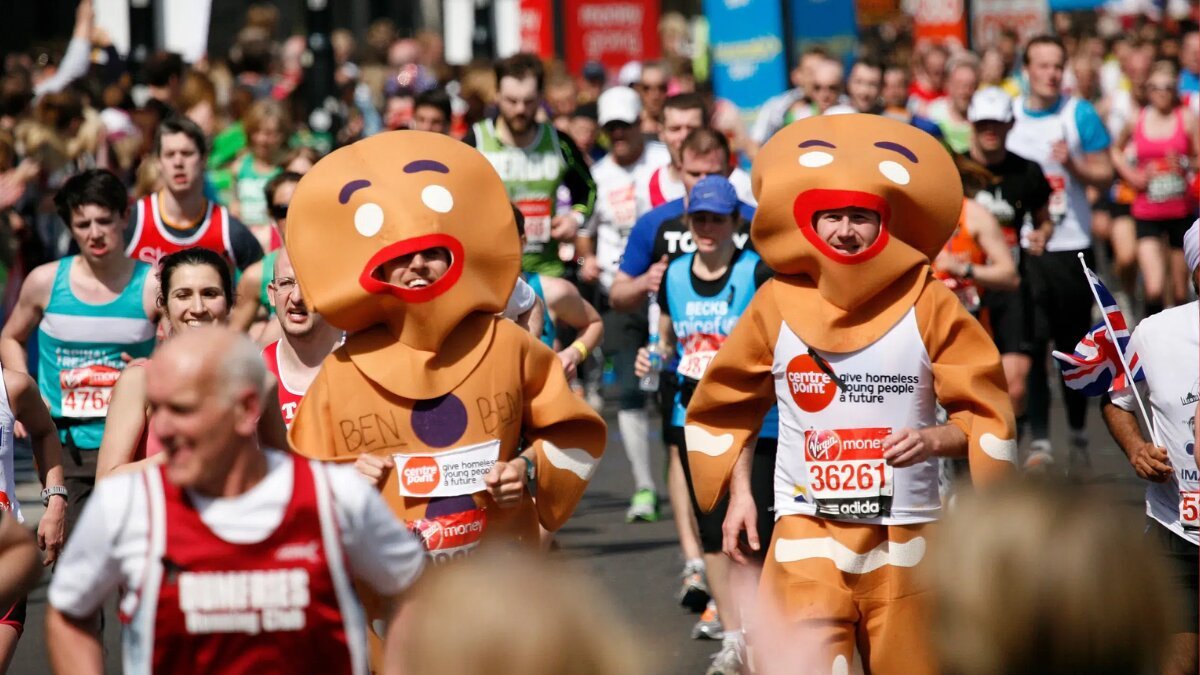
October isn’t just about pumpkins and costumes—it’s become one of the busiest months for fitness enthusiasts in America. Across the country, themed runs, costume marathons, and charity 5Ks sell out weeks in advance, creating a seasonal fitness craze.
Unlike the highly competitive spring marathons like Boston or New York, October events are often about fun, inclusivity, and community spirit. Participants show up in costumes ranging from superheroes to ghosts, running for both exercise and entertainment. These races blur the line between fitness and festivity, turning workouts into celebrations.
The popularity reflects broader cultural shifts: Americans increasingly value fitness as a lifestyle but want it to feel enjoyable rather than punishing. October races combine holiday excitement with achievable goals, making them appealing to everyone from seasoned athletes to casual walkers.
The Rise of Themed Runs
Themed runs—whether zombie chases, glow-in-the-dark races, or Halloween 5Ks—have surged in popularity. Organizers capitalize on the festive spirit of October, encouraging costumes and playful competition. Social media amplifies the appeal, with participants posting photos of their creative outfits and race medals.
These events often benefit charities, adding another layer of motivation for participants. Families, children, and casual runners flock to these events because they emphasize fun over finishing times.
Community and Inclusivity in Fitness
October races create a sense of community that goes beyond competition. Entire neighborhoods come out to cheer runners, while local businesses sponsor events. Unlike elite marathons, costume runs welcome everyone—making fitness accessible and enjoyable for all.
Inclusivity also extends to post-race celebrations. Food trucks, live music, and seasonal treats like apple cider and pumpkin donuts often follow races, turning them into festivals.
Fitness Meets Holiday Culture
The success of October’s fitness craze lies in its ability to merge exercise with seasonal traditions. Running through decorated neighborhoods or racing in costume allows participants to feel like they’re part of the holiday spirit.
For many, these events mark the start of their holiday season. They embody a balance—indulging in seasonal treats while also staying active. This unique mix explains why October races continue to grow in popularity.
Conclusion
The October fitness craze, anchored by fun runs and costume marathons, isn’t just a trend—it’s a convergence of biology, psychology, and culture that motivates people to move. Here’s why these events consistently fill up fast.
- Emotional payoff over intensity: Rather than chasing peak performance, participants seek enjoyment, social connection, and a sense of play. The festive atmosphere—colorful costumes, themed routes, and music—reframes exercise from a chore into a celebration, delivering mood-boosting endorphins and a dopamine-driven sense of accomplishment.
- Social accountability and community: Human beings are inherently social athletes. Training with friends or coworkers creates accountability and increases adherence. The event doubles as a social gathering where memories are made, photos are shared, and group identity is strengthened. People sign up not just for the run, but for the experience of belonging.
- Low-pressure entry points: Costume runs and themed 5Ks often welcome all fitness levels. Clear pacing, accessible routes, and supportive crowds lower intimidation barriers, making participation feel achievable for beginners and a refreshing challenge for veterans. This inclusivity broadens the pool of prospective runners.
- Public motivation and spectacle: The visual appeal of costumes, elaborate setups, and vibrant crowds makes the event media-friendly. The spectacle attracts sponsors, volunteers, and local businesses, creating a positive feedback loop that sustains hype and repeated attendance year after year.
- Goal flexibility and novelty: October offers a natural incentive—moving away from summer lethargy and into autumn wellness. The novelty of costumes and themed challenges keeps the experience fresh. Even repeat participants look for new costumes, routes, or charity partnerships to maintain excitement.
- Wellness as a lifestyle: Beyond the event, these runs promote a broader wellness narrative—daily movement, balanced eating, and stress relief. They tie fitness to enjoyable life moments rather than punishment, aligning with modern wellness ideals.
In short, fun runs and costume marathons succeed because they blend celebration, community, accessibility, and personal well-being into a compelling, repeatable experience. They make October not just a month of exercise, but a vibrant, shared ritual.
