
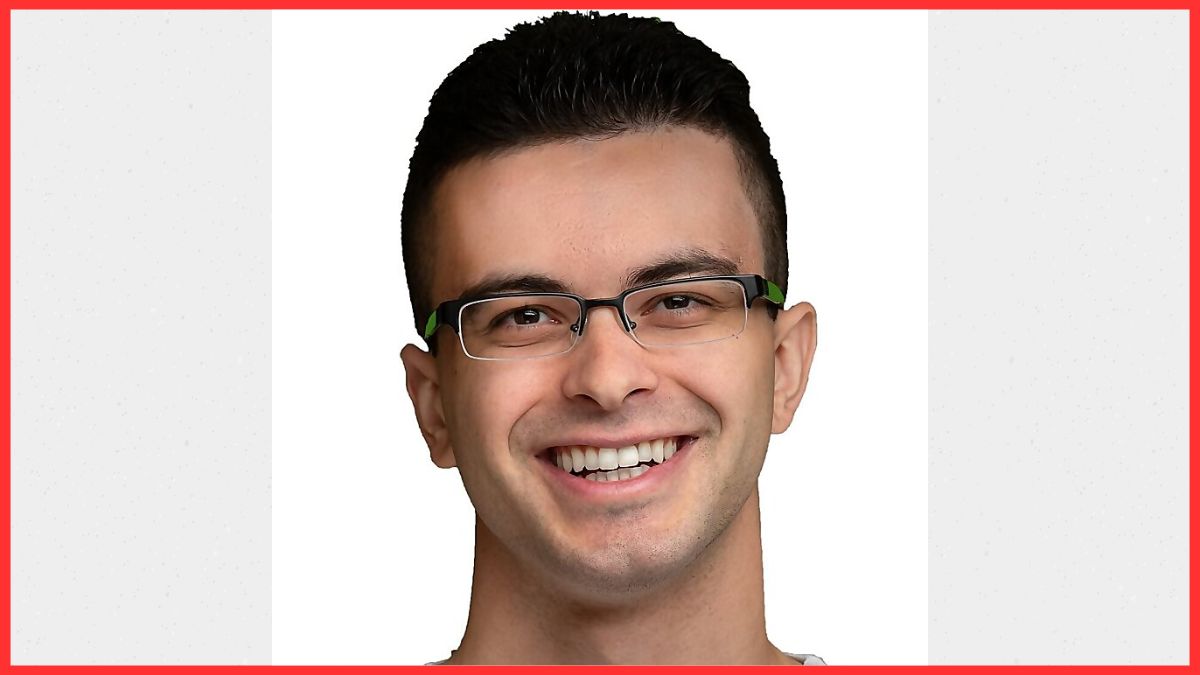
In the fast-evolving U.S. creator economy, gaming influencers are no longer just entertainers—they are digital entrepreneurs building diversified revenue portfolios across platforms, brands, and fan-driven ecosystems. Nicholas Amyoony, recognized for his gaming-centered content and social media presence, represents a modern example of how creators can translate audience engagement into structured business operations. From platform monetization tools to brand partnerships and merchandise strategies, Amyoony’s model reflects how gaming content is increasingly managed as a scalable media business rather than a hobby.
Platform-Centric Revenue Streams
Advertising and Creator Monetization Programs
A core pillar of Nicholas Amyoony’s income is platform-based monetization. On major U.S.-focused platforms such as YouTube and TikTok, creators with consistent viewership can earn revenue through advertising programs that share ad income based on video performance, audience demographics, and watch time. For gaming creators, longer-form gameplay videos and high-retention clips are especially valuable, as they often generate higher ad impressions per viewer. This model allows Amyoony to generate recurring monthly income tied directly to content output and audience growth.
Live Streaming and Fan Contributions
Live streaming introduces a direct-to-fan revenue layer. Features such as Super Chats, paid subscriptions, and digital gifting enable viewers to financially support creators in real time. In the U.S. market, this fan-funding model is increasingly important, as it provides predictable income that is not fully dependent on ad rates or algorithm changes. For gaming influencers, interactive streams also increase session time, strengthening both monetization potential and brand appeal.
Brand Partnerships and Sponsored Integrations
Gaming, Tech, and Lifestyle Collaborations
Brand partnerships are a high-value revenue stream within Amyoony’s business model. U.S.-based gaming creators often collaborate with hardware manufacturers, game publishers, and digital service companies to integrate sponsored products into gameplay videos, social posts, or livestream segments. These collaborations typically follow performance-based contracts, where compensation reflects reach, engagement rates, and platform analytics. Sponsored content can deliver a single-campaign payout that rivals several months of ad revenue, making it a strategic priority within the overall income mix.
Affiliate Marketing Performance
Affiliate programs add a measurable, sales-driven layer to monetization. By sharing trackable links for gaming accessories, digital downloads, or software subscriptions, Amyoony can earn a percentage of each sale generated through his content. This model aligns creator earnings directly with consumer purchasing behavior, offering transparency for both the influencer and brand partners.
Merchandise and Direct-to-Consumer Strategy
Creator-Branded Products
Merchandise sales represent a brand-extension strategy rather than just an additional revenue stream. U.S. gaming influencers commonly use print-on-demand and fulfillment partners to sell apparel and accessories without maintaining inventory. For Amyoony, this approach allows creative control over branding while scaling sales through social platforms and creator storefronts.
Content Style and Business Alignment
Nicholas Amyoony’s content style emphasizes high-energy gameplay, audience interaction, and platform-native storytelling. This approach is not just creative—it is commercial. Interactive formats increase watch time, strengthen fan loyalty, and improve performance metrics that brands and platforms use to evaluate partnership potential. By aligning content design with monetization mechanics, Amyoony’s business model demonstrates how modern gaming influencers operate at the intersection of entertainment, marketing, and digital commerce.
Conclusion
Nicholas Amyoony’s business model reflects the U.S. gaming creator economy’s shift toward multi-channel revenue diversification. Through ad-based monetization, fan-supported streaming, performance-driven brand deals, affiliate marketing, and merchandise sales, he illustrates how gaming influence can be structured into a sustainable, growth-oriented digital enterprise. His strategy highlights a broader industry trend: successful creators today are not just players on screen—they are operators of full-scale media brands.
