
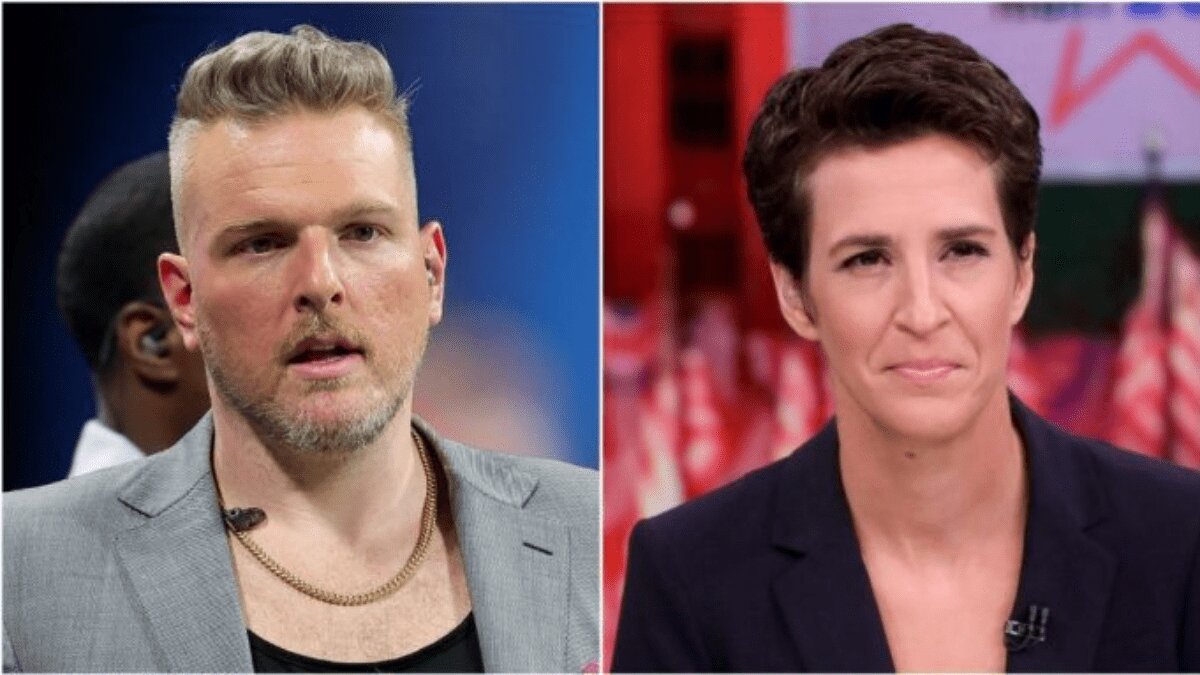
The recent uproar among news personalities at NBCUniversal and ESPN has highlighted a growing trend of on-air autonomy among journalists and commentators. From criticizing corporate decisions to airing grievances against network executives, prominent figures in the media are increasingly using their platforms to express dissent and push back against perceived injustices.
The hiring of former Republican National Committee chair Ronna McDaniel by NBC News sparked a wave of backlash from NBC News anchors, including Joe Scarborough, Joy Reid, Rachel Maddow, and Nicolle Wallace. These hosts took significant airtime to voice their objections, with Maddow dedicating half an hour of her primetime MSNBC program to liken McDaniel’s hiring to supporting potential threats to democracy. This public criticism, while unprecedented in its scale, reflects a growing willingness among journalists to speak out against decisions they view as detrimental to their integrity or the principles of journalism.
Similarly, ESPN faced internal strife when outspoken former football player Pat McAfee publicly expressed dissatisfaction with ESPN executive Norby Williamson, accusing him of undermining McAfee’s show. Despite ESPN’s history of reprimanding personalities for speaking out on various issues, McAfee’s criticism went unaddressed, signaling a shift in the network’s approach to handling internal disputes.
This trend towards greater on-air autonomy is fueled by several factors. Firstly, the rise of alternative media platforms, such as newsletters, Substacks, TikTok, and Instagram, has reshaped the landscape of news consumption. These platforms prioritize personality-driven content and emotional engagement, providing journalists with new avenues to express themselves authentically.
Additionally, the COVID-19 pandemic has accelerated changes in television news production, with remote interviews and casual attire becoming more commonplace. As traditional news outlets adapt to these shifts, journalists are afforded greater freedom to express their opinions and engage with audiences in a more informal manner.
However, while on-air dissent may resonate with viewers seeking authenticity and transparency, it also poses risks for news organizations. Unscripted moments, such as Chuck Todd’s unexpected criticism of NBC News’ hiring of Ronna McDaniel on “Meet The Press,” can create internal turmoil and damage the reputation of the network.
Moreover, the growing prominence of news personalities over the stories they cover raises questions about journalistic integrity and impartiality. As journalists become increasingly entangled in corporate disputes and personal vendettas, there is a risk of blurring the line between news reporting and opinion-based commentary.
In the age of digital media and personalized content, the balance between journalistic independence and corporate loyalty remains precarious. While journalists may wield newfound autonomy to challenge authority and advocate for change, they must also navigate the ethical complexities of their profession and uphold the principles of objective reporting. As news organizations grapple with these challenges, the role of journalists as truth-seekers and watchdogs of democracy has never been more vital.
