
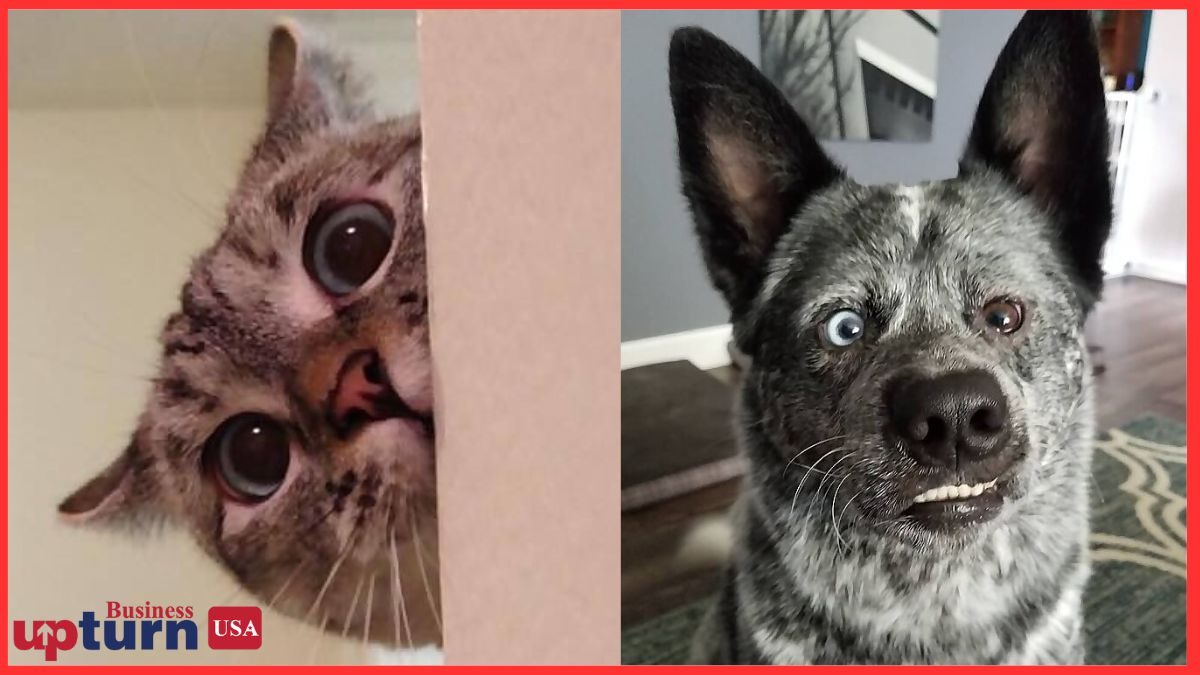
In today’s digital landscape, pets have evolved from cute companions to full-fledged online celebrities, capturing millions of hearts and generating substantial revenue. Among the most prominent names are Nala Cat and Moose the Cat, both of whom have turned their charm into thriving business ventures. This article explores the intricate details of their business models, monetization strategies, and how these feline influencers are making waves in the U.S. pet influencer market.
Understanding the Nala Cat Business Model
Nala Cat, known for her captivating expressions and charming social media presence, has transformed her internet fame into a structured business. Her success showcases the potential of pet influencer income when strategically monetized.
Social Media Monetization and Engagement
A cornerstone of the Nala Cat business model is her social media presence. With millions of followers across Instagram, TikTok, and Facebook, Nala Cat benefits from:
- Sponsored posts: Brands collaborate with Nala Cat to promote pet products, toys, and lifestyle items. Each post is carefully curated to match her audience’s interests, ensuring high engagement.
- Platform monetization: Beyond sponsored content, Nala Cat earns through ad revenue on platforms like TikTok, capitalizing on views and user engagement.
The strategy emphasizes quality over quantity, maintaining authenticity while maximizing engagement—a key factor in how pet influencers earn money in the U.S.
Merchandise Revenue
Another significant stream is Nala Cat merchandise revenue. The Nala Cat brand extends to:
- Apparel: T-shirts, hoodies, and accessories featuring Nala Cat’s iconic face.
- Collectibles: Plush toys, calendars, and themed merchandise.
- Pet products: Nala Cat-branded cat toys and care items.
These products are sold online, leveraging her social media following for direct-to-consumer sales. The merchandise not only generates revenue but also strengthens brand recognition.
Brand Collaborations and Licensing
Nala Cat has successfully partnered with major brands, earning from licensing agreements that use her likeness. This includes collaborations with pet product companies, lifestyle brands, and even limited-edition collectibles. These partnerships highlight the structured nature of the Nala Cat business model, blending personal branding with corporate collaboration.
Moose the Cat Monetization: A Unique Approach
Moose the Cat, equally beloved for his playful antics and adorable demeanor, has built a distinct business model in the U.S. pet influencer market. While similarities exist with Nala Cat, Moose takes a slightly different approach.

Sponsorships and Brand Partnerships
A core component of Moose the Cat monetization is sponsorships. Moose frequently collaborates with pet food brands, toy manufacturers, and lifestyle products targeting cat owners. His sponsorships often include:
- Sponsored social media content highlighting products in a natural, playful setting.
- Cross-promotions with brands in the pet industry, leveraging Moose’s authenticity and relatable content.
These sponsorships generate steady revenue while reinforcing Moose’s position as a trusted influencer in the pet space.
Product Lines and Merchandise
Moose has ventured into his own merchandise, albeit with a slightly niche focus compared to Nala Cat. His product lineup includes:
- Custom apparel: Fun, quirky items that reflect Moose’s personality.
- Pet accessories: Collars, toys, and interactive products designed for cat owners.
- Digital collectibles: Moose occasionally explores digital goods, tapping into emerging trends in influencer monetization.
The merchandise strategy emphasizes quality and uniqueness, aligning with his brand persona and ensuring loyal customer engagement.
Content Monetization and Public Appearances
Moose the Cat leverages additional income streams through:
- Ad revenue from video platforms such as TikTok and YouTube.
- Public appearances at pet expos, meet-and-greets, and charity events, which not only provide income but enhance his visibility.
This multi-pronged approach illustrates a robust Moose the Cat monetization strategy, ensuring diversified revenue streams.
Comparative Analysis: Nala Cat vs Moose the Cat Business Models
While both Nala Cat and Moose the Cat thrive in the U.S. pet influencer market, their strategies show unique nuances that reflect their brand positioning.
Audience Engagement and Social Media Strategy
- Nala Cat: Focuses on wide-reaching engagement across multiple platforms, leveraging her massive follower count to attract high-value sponsorships and drive merchandise sales.
- Moose the Cat: Emphasizes niche engagement and relatability, using playful and authentic content to foster a loyal community. While his audience may be smaller, the engagement quality is high, which appeals to selective brands.
Merchandise and Product Diversification
- Nala Cat: Offers a broader product range with high-volume sales potential, including mass-market apparel and collectible items.
- Moose the Cat: Focuses on niche products and unique items, sometimes exploring digital avenues, offering differentiation and exclusivity in the merchandise market.
Sponsorship and Licensing
- Nala Cat: Extensive brand collaborations and licensing agreements, creating a structured and predictable revenue stream.
- Moose the Cat: More selective partnerships, with an emphasis on authenticity and playful brand alignment, which may appeal to brands seeking genuine influencer engagement.
Overall Business Model
- Nala Cat business model: Highly structured, combining social media reach, merchandise, and corporate partnerships into a cohesive brand strategy.
- Moose the Cat monetization: Diversified yet niche-focused, combining sponsorships, unique merchandise, content monetization, and public appearances for a well-rounded approach.
The Future of Pet Influencer Business Models in the U.S.
The success of Nala Cat and Moose the Cat highlights evolving trends in the U.S. pet influencer market. Pet influencers are no longer just a source of entertainment; they are viable business entities.
Opportunities for Growth
- Expanded digital products: Both influencers could explore apps, digital collectibles, or interactive experiences for fans.
- Collaborative campaigns: Joint ventures between pet influencers could tap into shared audiences, boosting sponsorship appeal.
- Sustainability and ethical products: Consumers increasingly value eco-friendly and socially responsible products, presenting new merchandising opportunities.
Untapped Potential
An unexplored avenue is leveraging AI and virtual pet influencers for hybrid campaigns, combining real pet personas with digital experiences. This could create new revenue streams and extend the brand life of beloved pets beyond traditional merchandise and social media content.
Conclusion: Lessons from Nala Cat and Moose the Cat
The Nala Cat business model and Moose the Cat monetization strategies offer valuable insights into the diverse ways pet influencers can generate income in the U.S. market. While Nala Cat demonstrates the power of broad audience reach and structured brand partnerships, Moose shows the potential of niche engagement, playful authenticity, and selective monetization.
For aspiring pet influencers and brands alike, the key takeaway is clear: a successful business model combines audience engagement, diversified income streams, and strategic brand alignment. With evolving consumer preferences and technological innovation, the future of pet influencer income in the U.S. promises to be both lucrative and creatively exciting.
By observing the business models of Nala Cat and Moose the Cat, one can appreciate the sophistication, strategy, and cheerfulness that define this unique sector of the influencer economy.
This article is intended solely for informational and editorial purposes. It does not constitute endorsement or promotion of any artificial intelligence technology. Business Upturn makes no representations or warranties regarding the accuracy, completeness, or reliability of the information provided.