
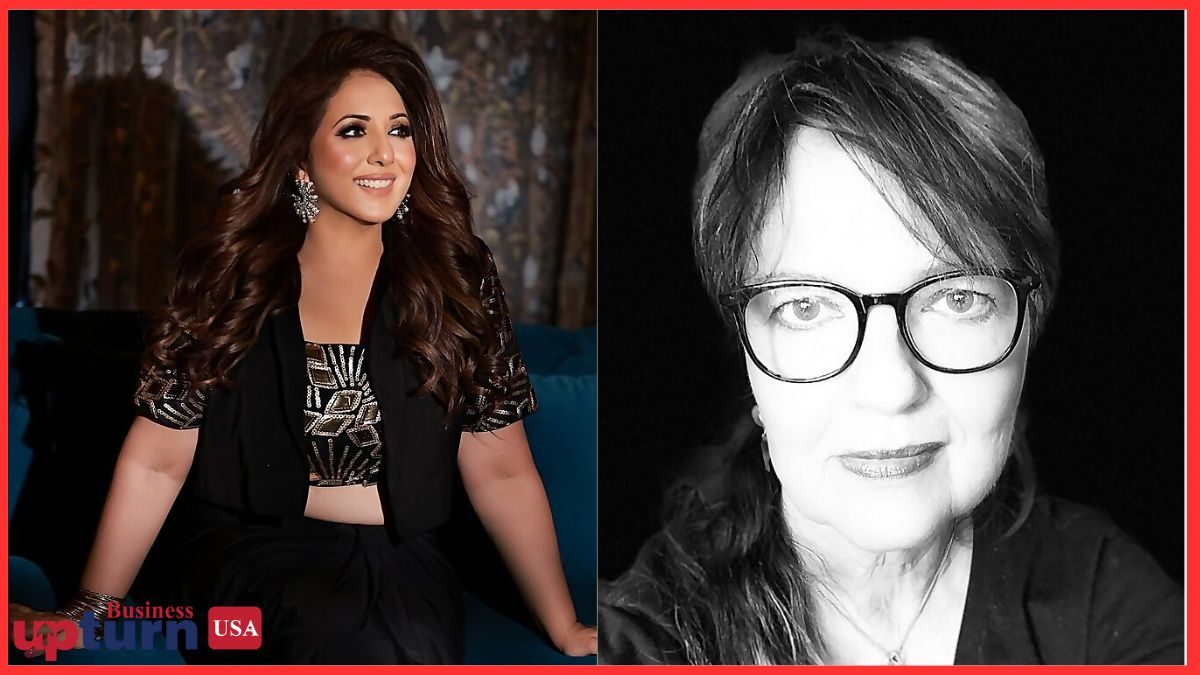
In an era where personal branding meets metaphysical wisdom, Tarot has evolved from a quiet, candle-lit corner of mysticism into a global digital economy. The rise of social media, online education, and influencer marketing has created a new wave of spiritual entrepreneurs who are turning intuition into income. Leading this new-age movement are figures like Munisha Khatwani from India and Monica Bodirsky from Canada — two globally admired Tarot influencers who have transformed ancient symbolism into modern, scalable businesses.
Their stories reflect how spiritual entrepreneurship has become a sustainable and ethical form of digital commerce. What sets them apart is how they integrate authenticity, creativity, and business strategy in distinct ways, redefining what it means to be a professional mystic in the 21st century.
The rise of spiritual entrepreneurship: Tarot as a global digital industry
The digital era has transformed Tarot from a niche esoteric practice into a multimillion-dollar global marketplace. Once confined to physical consultations and word-of-mouth clients, Tarot reading today thrives on Zoom sessions, YouTube channels, online courses, and global retreats. Platforms like Instagram, Patreon, and TikTok have allowed practitioners to monetize their expertise directly while building communities that extend across continents.
Audiences now seek not just predictions, but guidance, empowerment, and spiritual wellness, creating demand for diverse offerings such as digital workshops, online summits, and subscription-based reading platforms. The global Tarot business model today mirrors broader trends in the influencer economy — where credibility, storytelling, and emotional connection become the new currency.
In this context, both Munisha Khatwani and Monica Bodirsky have built business ecosystems that blend art, teaching, and spirituality into profitable, purpose-driven ventures.
Munisha Khatwani’s business model: Celebrity mysticism meets modern media
Building a brand rooted in fame and faith
Munisha Khatwani is one of India’s most recognized Tarot influencers, bridging the world of entertainment and esoteric insight. With a background in television and acting, Munisha leveraged her media presence to position herself as a credible and approachable celebrity reader. Her Tarot business model thrives on visibility, trust, and accessibility.
Her brand thrives on a combination of personal consultations, media collaborations, and digital events. Known for her intuitive readings for celebrities and her strong presence on Indian television, Munisha turned her public recognition into a loyal, diverse clientele that spans from Bollywood personalities to young professionals seeking clarity online.
Key income streams in Munisha Khatwani’s spiritual empire
- Personal Tarot consultations – Munisha offers personalized readings both online and offline, ensuring accessibility to clients across the globe. Her pricing reflects her celebrity stature, yet her tone remains grounded and empathetic.
- Workshops and webinars – Through interactive masterclasses, she teaches Tarot, numerology, and manifestation techniques, turning knowledge-sharing into a steady income source.
- Corporate collaborations and events – Her ability to blend entertainment with spirituality makes her a frequent guest at wellness events and brand campaigns that focus on mindfulness.
- Media and endorsements – As a recognized face in Indian media, she attracts collaborations that enhance both her credibility and reach.
- Social media monetization – Munisha utilizes YouTube and Instagram to share free guidance videos, while subtly driving traffic toward paid services, thus blending content marketing with spiritual education.
Her business is a hybrid model — a fusion of entertainment, education, and enlightenment. Munisha’s strategy lies in trust-based marketing, where her warmth and television charisma create emotional proximity with clients. She doesn’t just sell Tarot; she sells transformation and confidence.
Monica Bodirsky’s business model: The art of intuitive entrepreneurship
Turning art and academia into spiritual commerce
Monica Bodirsky, a Canadian artist, author, and intuitive educator, has built a completely different kind of Tarot business model — one that merges artistic creation, intellectual depth, and intuitive practice. As the creator of multiple acclaimed Tarot and oracle decks, including The Shadowland Tarot and The House of Shadows Oracle, Monica has transformed her creative output into a robust global business.
Her approach focuses on education, publishing, and community-building, positioning her as an intellectual leader in digital spirituality. Where Munisha connects through celebrity appeal, Monica connects through artistic authenticity and academic engagement.
Monica Bodirsky’s income streams and business ecosystem
- Book and deck authorship – Monica earns royalties from her published Tarot and oracle decks, distributed globally through major publishers. These works establish her brand authority and generate recurring income.
- Teaching and workshops – She teaches at the Toronto School of Art and hosts immersive Tarot and creativity retreats. Her educational offerings attract students who view Tarot as a tool for personal and artistic growth.
- Art and merchandise sales – Monica monetizes her original artwork, prints, and Tarot-themed merchandise, expanding her spiritual brand into a lifestyle aesthetic.
- Public speaking and events – As a respected figure in metaphysical and art circles, she participates in conferences, exhibitions, and academic panels, reinforcing her dual identity as an artist and intuitive entrepreneur.

- Online courses and mentorship – Through structured mentorship programs, she nurtures future Tarot professionals, combining intuition with practical business knowledge.
Monica’s spiritual entrepreneurship thrives on an educational, sustainable model that integrates creativity and commerce seamlessly. Her tone, branding, and community engagement reflect inclusivity and empowerment — core values that resonate with a global audience seeking authenticity.
Contrasting models: Munisha vs Monica — entertainment meets enlightenment
While both women lead thriving global Tarot enterprises, their strategies reveal fascinating contrasts that define the spectrum of modern mysticism in business.
- Munisha Khatwani embodies the celebrity-led model of spiritual entertainment, using her public profile to bring metaphysics into mainstream media. Her offerings are performance-driven, accessible, and designed for emotional resonance.
- Monica Bodirsky, in contrast, represents the art-academic model, where intuition intersects with creativity and intellectual exploration. Her income comes largely from products, publications, and structured teaching.
From a market perspective, Munisha appeals to fast-growing, high-engagement audiences in India and the global South, where spirituality intersects with aspiration. Monica caters to Western markets that value introspection, artistic exploration, and long-term mentorship.
Their pricing, accessibility, and brand voices reflect these cultural nuances. Munisha’s vibrant, media-friendly persona aligns with India’s celebrity-driven digital economy, while Monica’s thoughtful, minimalist approach resonates with the Western emphasis on artistic individuality and holistic learning.
Together, they illustrate how digital spirituality adapts to regional sensibilities while thriving globally.
Lessons in modern mysticism: what entrepreneurs can learn from them
The success of Munisha Khatwani and Monica Bodirsky offers a blueprint for anyone entering the spiritual or creative economy. Their Tarot business models showcase how authenticity and structure can coexist in monetizing metaphysical work.
Key takeaways include:
- Diversification is essential: Both women leverage multiple revenue streams, from digital consultations to creative products.
- Personal storytelling builds trust: Their audiences connect deeply with their personal journeys and authenticity.
- Cultural localization enhances global appeal: Munisha’s fusion of Bollywood-style charisma with spiritual guidance mirrors India’s pop-mystic market, while Monica’s artistic subtlety resonates with Western intellectualism.
- Education equals longevity: Both emphasize teaching — a strategy that not only generates income but sustains community loyalty.
These insights reveal how spiritual entrepreneurship isn’t about selling magic, but about packaging mindfulness, creativity, and transformation in relatable formats.
The audience perspective: why people trust digital mystics
Followers of both Munisha and Monica often describe a deep emotional bond with them. In an age of algorithmic communication, they represent authentic human connection. People turn to them not for fortune-telling, but for emotional anchoring, artistic expression, and spiritual mentorship.
Their brands embody the feminine leadership archetype — intuitive, nurturing, community-oriented, yet firmly entrepreneurial. This balance between empathy and enterprise defines the success of modern Tarot influencers who monetize mysticism without compromising ethics.
For global audiences, Munisha symbolizes the glamour and energy of intuitive empowerment; Monica embodies introspection and creativity as spiritual healing. Together, they represent two faces of the same archetype — women transforming age-old wisdom into sustainable, modern careers.
The future of digital spirituality: intuition as a profession
As digital spirituality continues to expand, the Tarot business model pioneered by influencers like Munisha Khatwani and Monica Bodirsky will likely evolve into a mainstream entrepreneurial framework. Their blend of authenticity, education, and creative branding is setting new standards for ethical monetization in the wellness sector.
This article has been curated for informational and educational purposes related to tarot readers and the business aspects of spiritual entrepreneurship. Business Upturn makes no representations or warranties regarding the accuracy, completeness, or reliability of the information provided.