

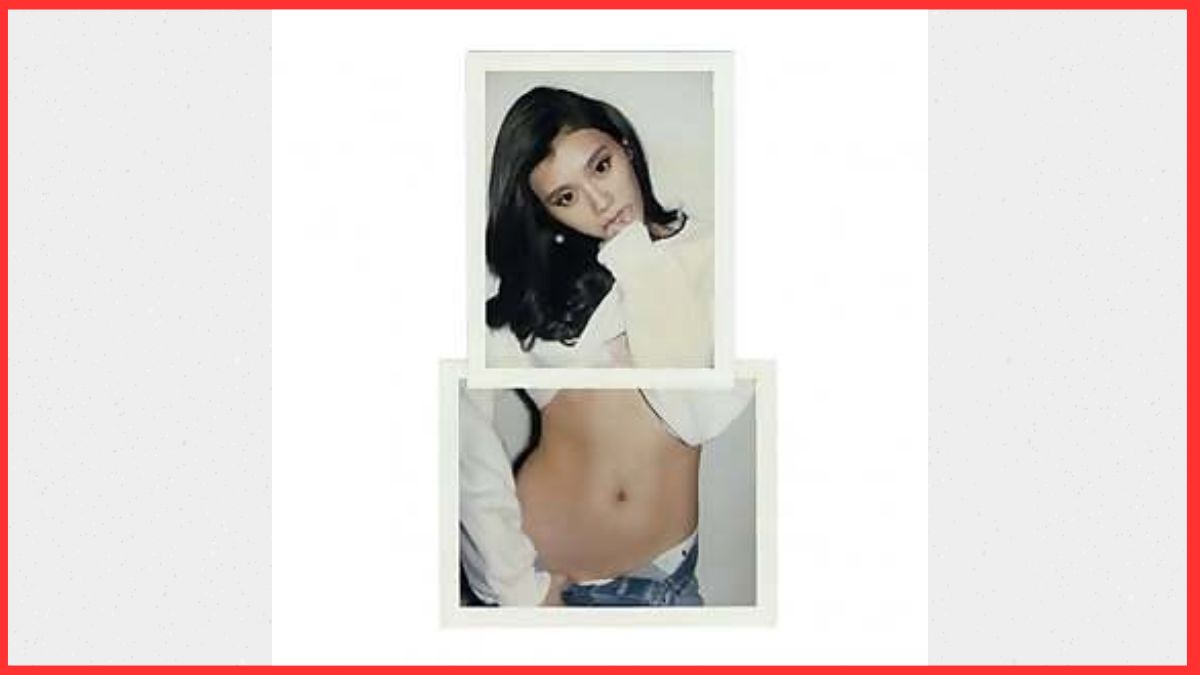
Ming Xi has built a disciplined, multi-channel income model rooted in elite fashion exposure and carefully selected commercial partnerships. Best known for walking for Victoria’s Secret and top luxury houses, her earnings are not limited to runway fees. Instead, her business model reflects a layered strategy that blends high-fashion credibility with scalable brand monetization—an approach highly aligned with U.S. influencer-market dynamics.
At the foundation are runway and editorial contracts, which typically include payments for fashion weeks in New York, Paris, and Milan, as well as magazine features. While runway pay alone is often modest compared to other revenue streams, it serves as a critical positioning tool that increases her market value for higher-paying deals.
Strategic Brand Partnerships and Endorsements
Premium Collaborations Drive Core Revenue
A substantial portion of Ming Xi’s income comes from endorsement deals with global fashion and beauty brands. These partnerships are structured as campaign-based contracts, where compensation is tied to usage rights, geographic reach, and campaign duration. Brands leverage her international appeal—particularly her strong recognition in both Asian and Western markets—to target cross-border consumers.
Unlike lower-tier influencers who rely on volume, Ming Xi’s strategy is high-value, low-frequency collaborations. This aligns with luxury branding norms in the U.S., where exclusivity enhances perceived value. Campaigns often include digital ads, print placements, and social media deliverables, creating multiple monetization layers from a single deal.
Social Media as a Controlled Monetization Channel
Selective Sponsored Content
Ming Xi maintains a presence on platforms like Instagram, where she monetizes through sponsored posts and brand integrations. However, her approach is notably selective. Rather than saturating her feed, she limits partnerships to brands that align with her luxury positioning.
This scarcity-driven model allows her to command premium rates per post, a strategy widely adopted by top-tier U.S. influencers. Sponsored content often complements her existing endorsements, reinforcing brand consistency and increasing campaign ROI for partners.
Licensing, Appearances, and International Market Leverage
Expanding Beyond Traditional Modeling
Another revenue stream includes paid appearances, fashion events, and brand-hosted activations, particularly in major markets like the United States and China. These appearances are monetized through appearance fees and sometimes bundled with endorsement contracts.
Additionally, Ming Xi benefits from image licensing agreements, where brands pay for the rights to use her likeness across advertising channels. This creates passive income opportunities beyond initial campaign shoots.
A Cross-Border Business Model with U.S. Relevance
What distinguishes Ming Xi’s monetization strategy is its cross-market scalability. By maintaining relevance in both Eastern and Western fashion ecosystems, she taps into a broader pool of advertisers and consumers. For U.S. brands seeking global reach, this dual-market influence significantly increases her commercial value.
Her business model reflects a broader trend in the U.S. influencer economy: shifting from volume-driven content to equity-based brand positioning and premium partnerships. Instead of chasing short-term gains, Ming Xi’s strategy emphasizes longevity, brand alignment, and diversified income streams—key principles for sustainable success in today’s luxury influencer landscape.