
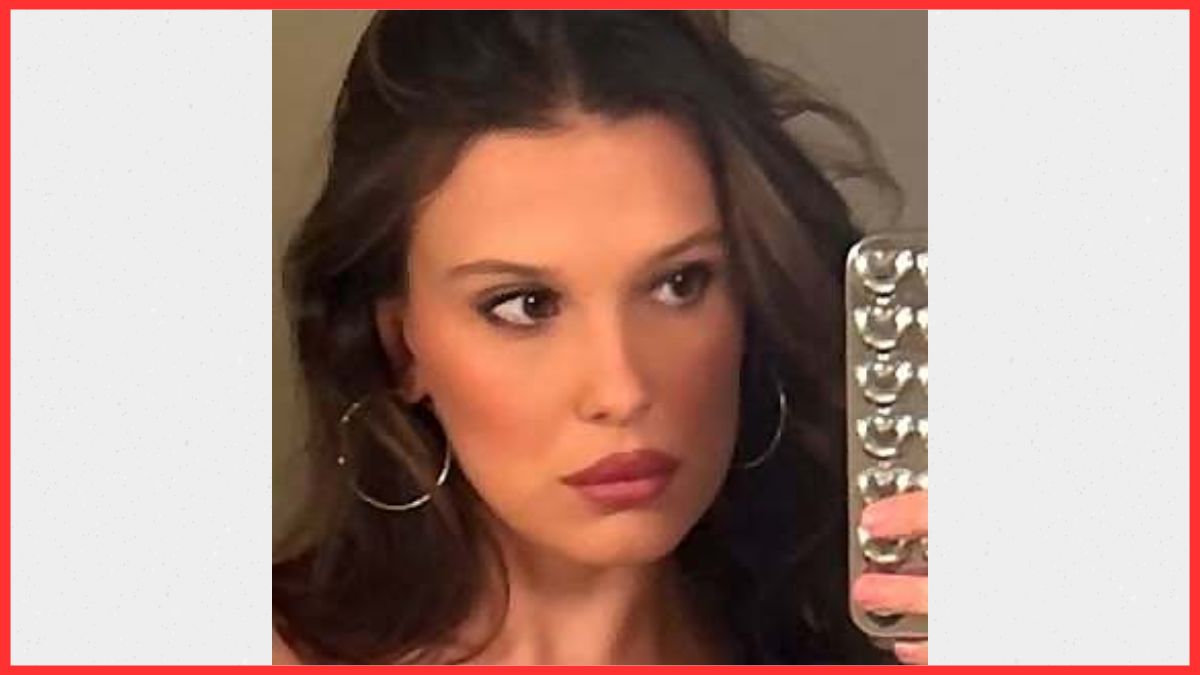
Millie Bobby Brown has evolved from a breakout Netflix star into one of Gen Z’s most commercially savvy personal brands in the U.S. market. While she is globally recognized for her acting, her business model extends far beyond Hollywood paychecks. Brown operates as a multi-platform entrepreneur, blending entertainment, consumer products, and brand partnerships into a diversified revenue engine designed for long-term scalability.
Core Revenue Streams and Monetization Strategy
Acting and Production Deals
Brown’s foundation remains premium streaming and film projects, primarily through Netflix and major studios. Her roles in Stranger Things and the Enola Holmes franchise positioned her in the top tier of young Hollywood earners, with industry trades consistently reporting multi-million-dollar compensation packages for her lead roles and backend participation. Beyond acting, Brown co-founded PCMA Productions, her own production company, which allows her to generate revenue as both on-screen talent and executive producer—capturing value across development, distribution, and licensing stages.
Florence by Mills: A Consumer Brand Built for Gen Z
One of Brown’s most impactful business moves is Florence by Mills, her clean beauty and skincare brand launched in 2019. The company targets Gen Z and young millennials with cruelty-free, vegan products distributed through major U.S. retailers such as Ulta Beauty and global partners like Boots in the UK. This direct-to-consumer and retail hybrid model provides recurring revenue through product lines spanning skincare, cosmetics, and lifestyle accessories. The brand’s valuation strength lies in its shelf presence, influencer-driven marketing, and strong digital sales funnel powered by social media engagement.
Brand Partnerships and Endorsements
Premium Advertising Campaigns
Brown commands high-value endorsement deals with global brands seeking Gen Z reach in the U.S. market. She has fronted campaigns for names such as Enola Holmes tie-in partners, luxury fashion labels, and lifestyle brands. These partnerships typically involve multi-platform deliverables—social media promotion, television commercials, and in-store branding—creating layered income from licensing, appearance fees, and performance-based bonuses.
Social Media as a Monetization Channel
With a massive Instagram and TikTok following, Brown operates her social platforms as a media asset. Sponsored content, product integrations, and cross-promotion for her own brand convert audience attention into measurable ROI for partners and direct sales for Florence by Mills.
Content Style and Market Positioning
Brown’s content strategy is polished yet approachable, blending behind-the-scenes career moments with beauty tutorials and brand storytelling. This tone resonates with both teens and adult consumers, positioning her as a credible entrepreneur rather than just a celebrity endorser. Her U.S.-centric market appeal lies in authenticity-driven branding, clean beauty trends, and female-led production ventures—three of the fastest-growing segments in entertainment and consumer goods.
