
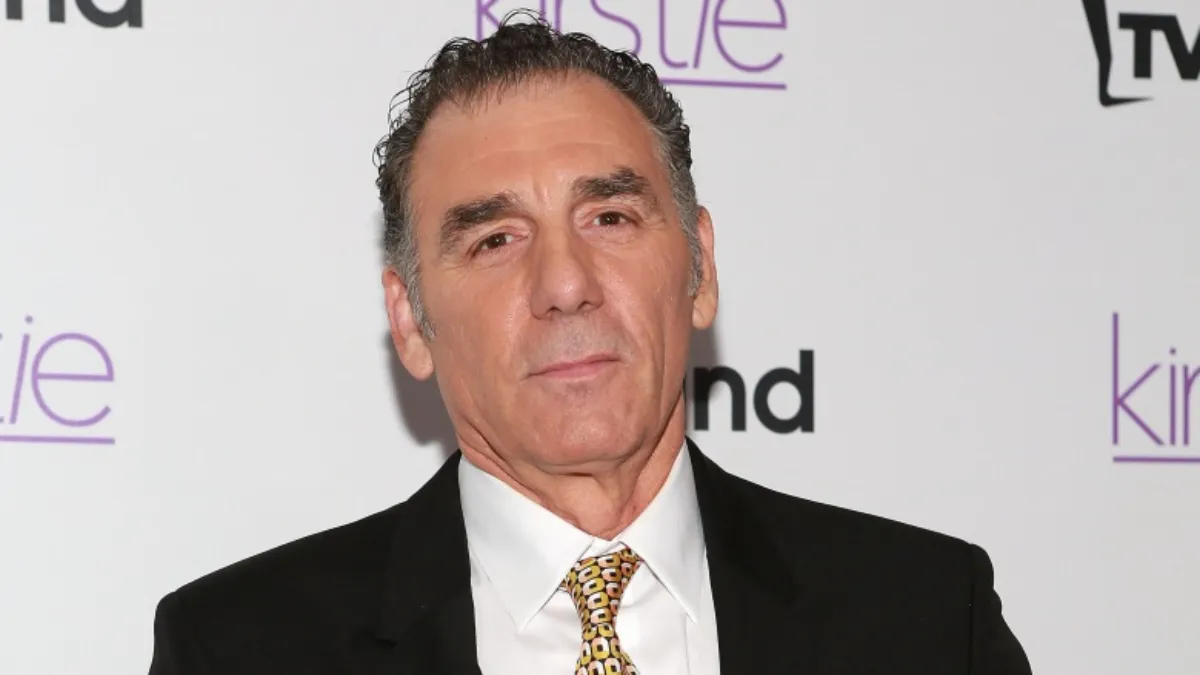
Years after the controversy that engulfed him in 2006, Michael Richards, renowned for his iconic portrayal of Cosmo Kramer on Seinfeld, continues to grapple with the repercussions of the incident that led to his alleged blacklisting by Hollywood. Since the conclusion of Seinfeld in 1998, Richards has largely retreated from the spotlight, with his career trajectory significantly impacted by the fallout from the controversial statements made at The Laugh Factory in 2006.
The incident at The Laugh Factory, a renowned comedy club, marked a turning point in Richards’ career and personal life. During a live performance, he made racially charged remarks that sparked public outrage and condemnation, leading to widespread backlash and scrutiny. In the aftermath of the incident, Richards faced severe criticism from both the entertainment industry and the public, with many labeling his comments as deeply offensive and unacceptable.
Despite issuing apologies and expressing remorse for his actions, the fallout from the controversy has cast a shadow over Richards’ career, resulting in what some perceive as a form of blacklisting within Hollywood. While he has made sporadic appearances in projects since then, his presence in the industry has been notably diminished compared to his heyday on Seinfeld.
For Richards, the repercussions of the 2006 incident serve as a stark reminder of the enduring impact of words and actions, highlighting the complexities of navigating fame and public perception in the entertainment industry. As he continues to navigate his career and personal journey, the legacy of the controversy looms large, shaping the narrative of his life in the years that followed.
What Did Michard Richards Do?
Michael Richards’ infamous racist tirade at The Laugh Factory in November 2006 sent shockwaves through Hollywood and irreparably tarnished his once-beloved reputation. The incident, which involved Richards using racially charged language and evoking deeply painful aspects of African American history, was captured on cell phone footage and quickly circulated online via TMZ, leading to widespread condemnation and ostracization from the entertainment community.
In the immediate aftermath of the incident, Richards attempted damage control with a televised apology on The Late Show with David Letterman. However, his apology fell flat, with the audience audibly giggling at his remarks, highlighting the severity of the situation and the challenge of rehabilitating his image.
Despite personal apologies to civil rights leaders like Al Sharpton and Jesse Jackson, Richards’ attempts at redemption were met with skepticism and continued backlash. While he resumed acting shortly after the incident, appearing in projects like Seinfeld’s Bee Movie and Curb Your Enthusiasm, his once-widespread appeal had undeniably diminished.
Nearly 20 years later, Michael Richards’ reputation remains deeply tarnished, and he is still viewed by many as “cancelled.” While he has made sporadic appearances in projects like Kristie and Jerry Seinfeld’s Comedians in Cars Getting Coffee, he has struggled to reclaim the level of success and recognition he enjoyed during his Seinfeld days. Despite his upcoming memoir, Entrances and Exits, scheduled for release in June, Richards finds himself in a sort of Hollywood blacklist purgatory, with no major TV or film projects on the horizon.
While the controversy surrounding Richards may have faded from the public consciousness to some extent, the lasting impact of his actions continues to reverberate, serving as a cautionary tale of the consequences of offensive behavior and the challenges of seeking redemption in the entertainment industry.
