

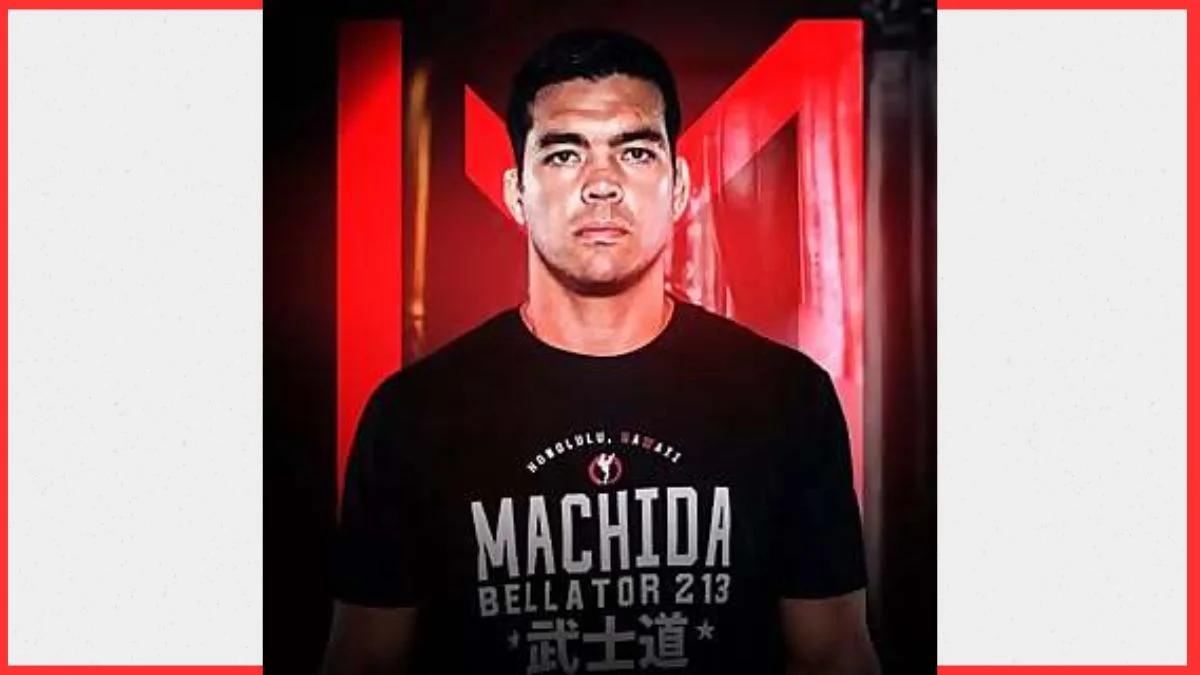
Lyoto Machida, a household name in the world of mixed martial arts (MMA), has not only made a mark with his unique Karate-based fighting style but also built a robust business model leveraging his global recognition. Known for his precision and discipline inside the octagon, Machida has translated his athletic prowess into multiple streams of income, proving that success in combat sports can extend far beyond fight purses.
Fight Earnings and Sponsorships
A core component of Machida’s income is derived from his fight purses in premier organizations like the UFC and Bellator. According to industry reports, Machida’s UFC fight purse ranged from $150,000 to $400,000 per bout, often supplemented by performance bonuses, which could add an extra $50,000 to $100,000. Beyond guaranteed payouts, Machida has consistently attracted sponsorship deals with major brands in sports apparel, nutrition, and equipment sectors. Brands such as Reebok, Venum, and MusclePharm have historically partnered with high-profile MMA fighters like Machida, offering six-figure endorsement deals that amplify his annual income.
Digital Presence and Social Media Monetization
Machida has strategically expanded his presence on social media platforms like Instagram, YouTube, and Twitter. Through these channels, he generates revenue via sponsored content, affiliate marketing, and promotional partnerships. While exact figures are not publicly disclosed, influencers of Machida’s caliber in the U.S. MMA market typically earn $5,000 to $15,000 per sponsored post, depending on reach and engagement metrics. His YouTube channel, which features fight analysis, training tips, and behind-the-scenes content, also generates ad revenue and affiliate income, creating a recurring digital income stream that complements his fight earnings.
Training Seminars and Gym Affiliations
Another significant revenue source comes from conducting seminars and workshops. Machida regularly hosts martial arts training camps across the U.S., charging between $300 to $1,000 per participant depending on the duration and exclusivity of the session. Additionally, he is affiliated with gyms that carry his brand, including partnerships in Brazilian Jiu-Jitsu and Karate academies, which often pay licensing fees or profit-sharing agreements for the use of his name and techniques. These initiatives leverage his reputation as a world champion to attract paying students and enhance brand equity.
Merchandise and Personal Brand Ventures
Machida has also tapped into merchandise sales, including branded apparel, training gear, and limited-edition collectibles. His business model mirrors that of other top-tier fighters, focusing on a blend of e-commerce sales and event-driven merchandising. In the U.S., premium fighter merchandise can bring in $50,000 to $200,000 annually, depending on promotions aligned with fights and special appearances.
Conclusion
Lyoto Machida exemplifies how MMA athletes can successfully monetize their expertise and fame beyond the octagon. Through a diversified approach encompassing fight earnings, sponsorships, social media monetization, seminars, and merchandise sales, Machida has established a multi-faceted business model that continues to thrive in the U.S. market. His strategy underscores the evolving opportunities for fighters to build sustainable and profitable careers, combining athletic performance with savvy business acumen.
Machida’s approach not only secures financial stability but also sets a benchmark for upcoming MMA athletes aiming to translate skill into long-term income.