

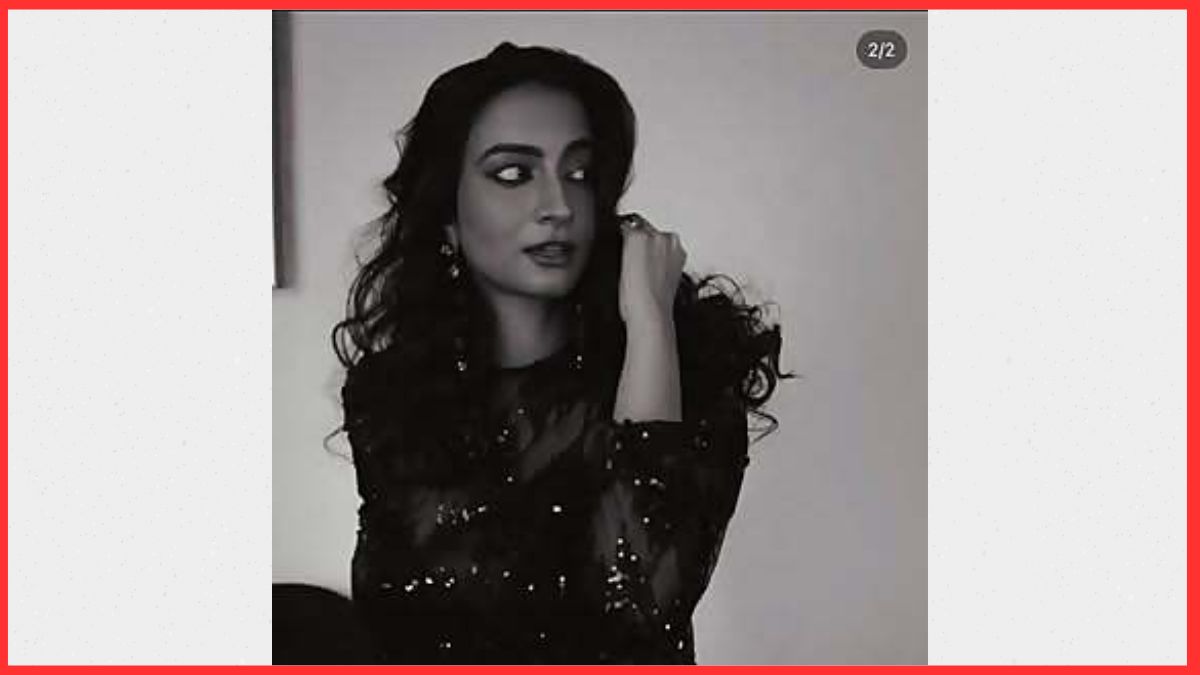
In the evolving landscape of influencer marketing, luxury content creators have carved out a distinct niche by blending aspirational storytelling with high-end brand collaborations. One such name often associated with luxury lifestyle content is Rasna Bhasin. While publicly available verified financial disclosures about individual influencer earnings are limited, her positioning within the luxury influencer ecosystem reflects a broader, well-documented creator economy model used across the United States and global markets.
Rather than relying on speculation, it is important to analyze how luxury influencers like Rasna Bhasin typically generate revenue based on established industry structures used by creators in this segment.
Luxury influencers primarily earn through brand partnerships with fashion, beauty, travel, and lifestyle companies. In the U.S. creator economy, sponsored posts can range widely in value depending on audience engagement, niche authority, and platform reach.
Luxury creators often collaborate with:
- Designer fashion houses
- Premium skincare and beauty brands
- Luxury hospitality and travel companies
These partnerships typically involve curated Instagram posts, short-form videos, and event-based content creation.
Another major income stream is affiliate marketing. Influencers earn commissions when followers purchase luxury products through tracked links.
In the luxury segment, affiliate programs are commonly used by:
- High-end fashion retailers
- Premium jewelry brands
- Exclusive e-commerce platforms
This model allows creators to generate recurring passive income based on audience purchasing behavior.
Luxury influencers are frequently invited to exclusive events such as fashion weeks, product launches, and private brand showcases.
In the U.S. market, creators may be compensated for:
- Event attendance and appearances
- Hosting brand activations
- Producing live event content for social media amplification
These engagements enhance both visibility and monetization potential.
Influencers in the luxury niche often monetize their personal brand through content licensing deals. Brands may pay to reuse influencer-generated visuals in digital campaigns or advertisements.
This approach transforms lifestyle content into scalable intellectual property assets.
While not always the primary income source in luxury niches, platform monetization contributes through:
- YouTube ad revenue sharing
- Short-form video monetization programs
- Sponsored reels and in-feed content boosts
The U.S. creator economy increasingly supports diversified platform earnings rather than reliance on a single channel.
Luxury influencers like Rasna Bhasin operate within a hybrid business model that blends:
- Brand partnership income
- Affiliate commissions
- Event-based revenue
- Content licensing agreements
This multi-stream structure aligns with modern U.S. influencer marketing trends, where creators function as independent media brands rather than traditional content posters.
The luxury influencer ecosystem is built on perception-driven branding, audience trust, and high-value partnerships. While exact income figures for Rasna Bhasin are not publicly verified, the revenue mechanisms associated with luxury influencers in the United States demonstrate a structured and scalable business model.
Ultimately, success in this niche depends less on virality and more on consistent brand alignment, premium audience engagement, and strategic monetization across multiple digital and offline channels.