

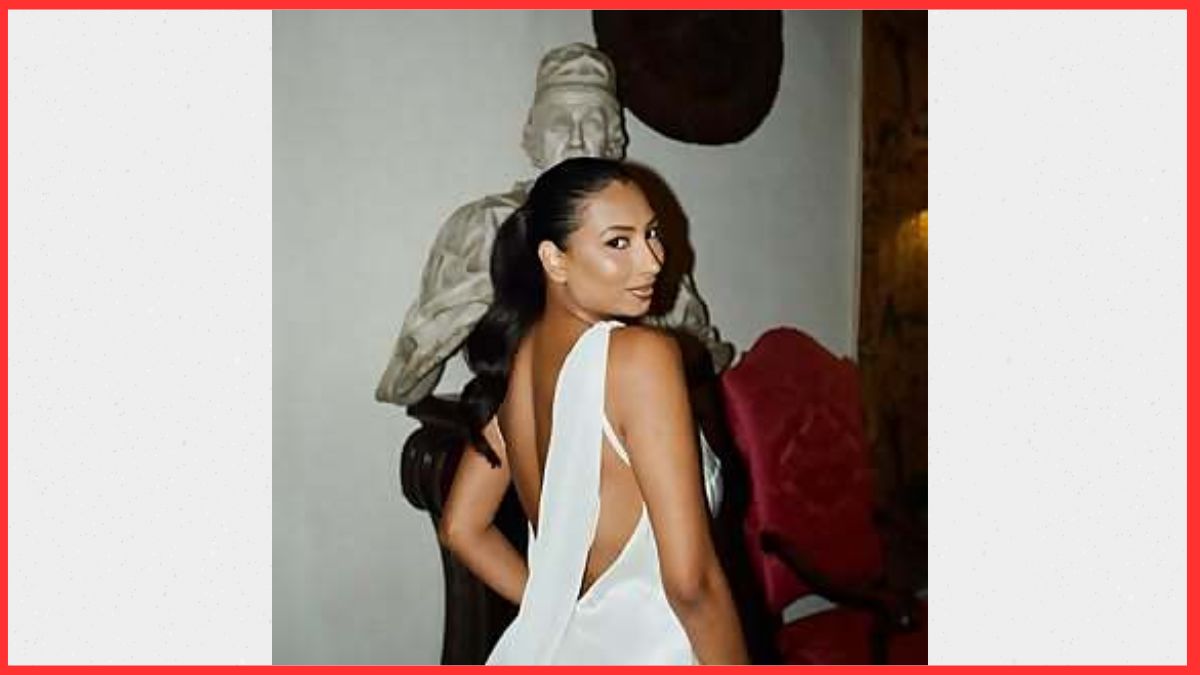
Luxury influencer Noorie Ana represents a new wave of digital creators who operate at the intersection of fashion storytelling, brand marketing, and performance-driven social media commerce. In the U.S.-centric influencer economy, luxury influencers typically build income around curated aesthetics, high-end brand partnerships, and multi-platform content distribution rather than traditional employment models. Noorie Ana’s digital presence reflects this structure, where content is not just creative expression but also a monetized media asset.
Unlike conventional retail or entertainment careers, luxury influencing functions as a hybrid business model combining media production, personal branding, and affiliate commerce. Revenue is generally tied to audience engagement, brand alignment, and conversion-driven campaigns.
The primary income source for luxury influencers like Noorie Ana in the U.S. market is brand collaborations. These partnerships involve luxury fashion houses, beauty labels, and lifestyle brands that pay creators to produce styled content featuring their products.
According to industry benchmarks from influencer marketing agencies in the United States, mid-to-large-tier fashion influencers can earn anywhere from a few thousand dollars to tens of thousands per sponsored post, depending on engagement rates, audience demographics, and exclusivity agreements. Campaigns may include Instagram reels, TikTok styling videos, or curated photo shoots aligned with brand campaigns.
Another significant revenue channel is affiliate marketing. Influencers share trackable links or discount codes for luxury and contemporary fashion brands. Every purchase made through these links generates a commission, typically ranging between 5% and 20% depending on the retailer and product category.
This model is especially effective in the U.S. e-commerce ecosystem, where platforms like reward-based fashion marketplaces and luxury retail affiliates integrate directly with influencer content.
Luxury influencers also earn through platform-based monetization programs. YouTube AdSense revenue, TikTok Creator Fund payouts, and Instagram bonuses contribute additional income streams. While these are usually secondary compared to brand deals, they provide scalable passive earnings based on views and engagement volume.
For example, YouTube creators typically earn based on CPM (cost per thousand impressions), which in the fashion niche can vary widely depending on audience geography—U.S. audiences generally yield higher ad rates.
Many luxury influencers expand into digital entrepreneurship by launching styling guides, fashion e-books, or curated shopping lists. These products require minimal overhead and scale globally, allowing creators like Noorie Ana to monetize expertise beyond sponsored content.
Some also transition into consultancy roles for emerging fashion brands, helping with visual strategy and social media positioning.
The luxury influencer model is fundamentally a diversified revenue ecosystem rather than a single income source. In the United States, creators succeed by balancing:
- High-value brand collaborations
- Affiliate-driven conversion marketing
- Platform ad revenue streams
- Digital product monetization
Noorie Ana’s presence reflects this broader industry shift where influence itself becomes a scalable digital asset. Instead of relying on one income channel, luxury influencers build layered monetization structures designed to adapt to changing platform algorithms and consumer behavior.
As the U.S. creator economy continues to mature, luxury influencers are increasingly operating like independent media companies. With growing demand for authenticity in fashion marketing, creators such as Noorie Ana illustrate how visual storytelling, audience trust, and strategic brand alignment converge into sustainable income systems.
This evolution signals a long-term shift: luxury influence is no longer just about aesthetics—it is a structured digital business model with measurable financial outputs and expanding global relevance.