

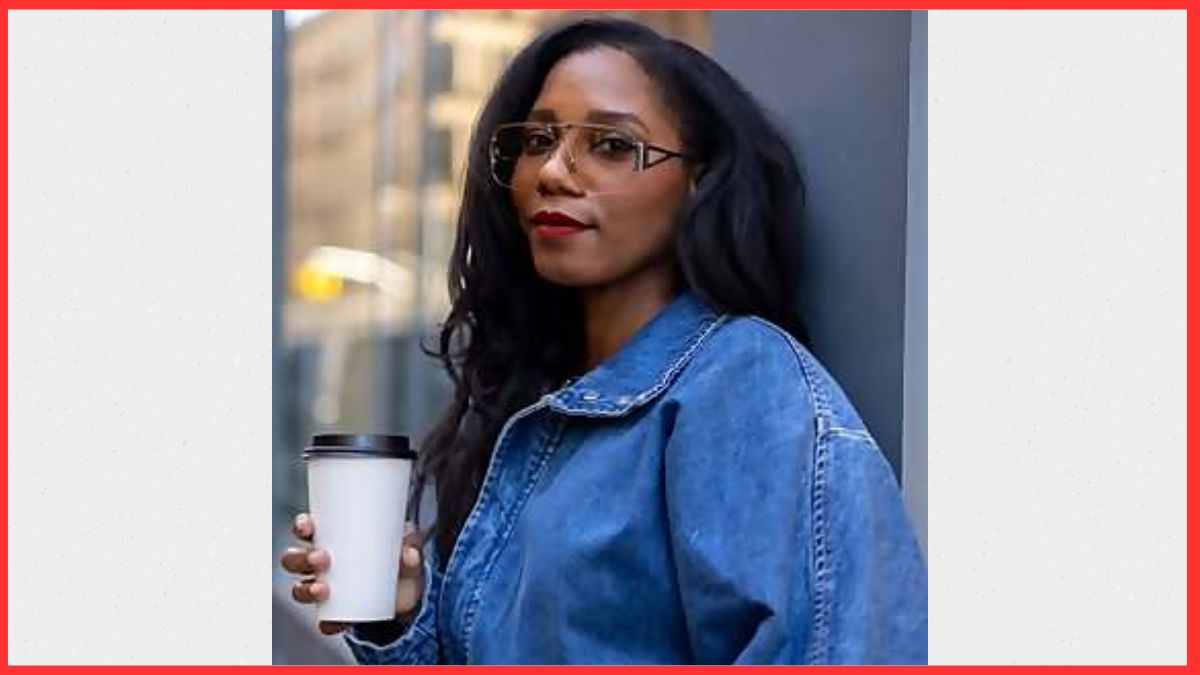
Monroe Steele is widely recognized in the digital fashion space as a luxury lifestyle and style influencer who has built a career centered on curated fashion content, brand collaborations, and editorial-style storytelling. Within the U.S. influencer economy, her work reflects how creators transform aesthetic expertise into diversified income streams across social platforms and brand partnerships.
Monroe Steele’s Core Business Model
1. Fashion Content Creation as a Digital Asset
At the foundation of Monroe Steele’s business model is high-end fashion content creation. Her platform focuses on luxury styling, seasonal wardrobe curation, and designer-focused looks that appeal to audiences interested in aspirational fashion.
In the U.S. influencer economy, this type of content functions as a “media asset,” where visual storytelling is monetized indirectly through engagement-driven reach. Higher engagement rates increase her value to brands, particularly in the luxury and premium retail segments.
2. Brand Partnerships & Sponsored Campaigns
A major revenue stream for Monroe Steele comes from brand collaborations. In the U.S., luxury influencers typically work with fashion, beauty, and lifestyle brands on structured campaign deals.
These partnerships usually include:
- Sponsored Instagram posts and reels
- Multi-post seasonal campaigns
- Product integration in styling content
- Paid brand storytelling features
Influencers at her level often earn compensation based on campaign scope, usage rights, and audience reach metrics rather than flat rates alone.
3. Affiliate Marketing Revenue
Affiliate marketing is another important monetization channel. Monroe Steele integrates affiliate links into fashion recommendations, allowing her to earn commissions when followers purchase products through tracked links.
This model is widely used in the U.S. fashion influencer ecosystem, especially in luxury retail, where commission structures typically apply to high-value purchases such as designer handbags, footwear, and apparel.
4. Digital Publishing & Content Monetization
Influencers in the luxury niche often expand into digital publishing formats such as style guides, curated shopping lists, and editorial blog content. These assets generate income through:
- Ad placements on blogs or websites
- SEO-driven organic traffic monetization
- Platform-based revenue (depending on hosting channels)
Monroe Steele’s content strategy aligns with this model by combining visual platforms with long-form fashion storytelling.
5. Event Collaborations & Industry Presence
Another revenue stream in the U.S. influencer economy includes paid appearances and participation in fashion-related events. These may involve brand-hosted activations, retail launches, or industry networking events where influencers are compensated for attendance and promotional participation.
Revenue Diversification Strategy
Monroe Steele’s business model reflects a key principle in the U.S. creator economy: income diversification. Rather than relying on a single platform, luxury influencers typically combine:
- Sponsored content revenue
- Affiliate commissions
- Brand partnerships
- Editorial or digital content monetization
- Event-based income
This multi-channel approach helps stabilize earnings despite shifts in algorithm performance or advertising demand.
Conclusion
Monroe Steele’s presence in the luxury influencer space demonstrates how digital creators in the United States convert fashion expertise into structured business ecosystems. Through brand partnerships, affiliate marketing, and content-driven monetization, her career reflects the evolving nature of luxury media entrepreneurship in the modern digital economy.