

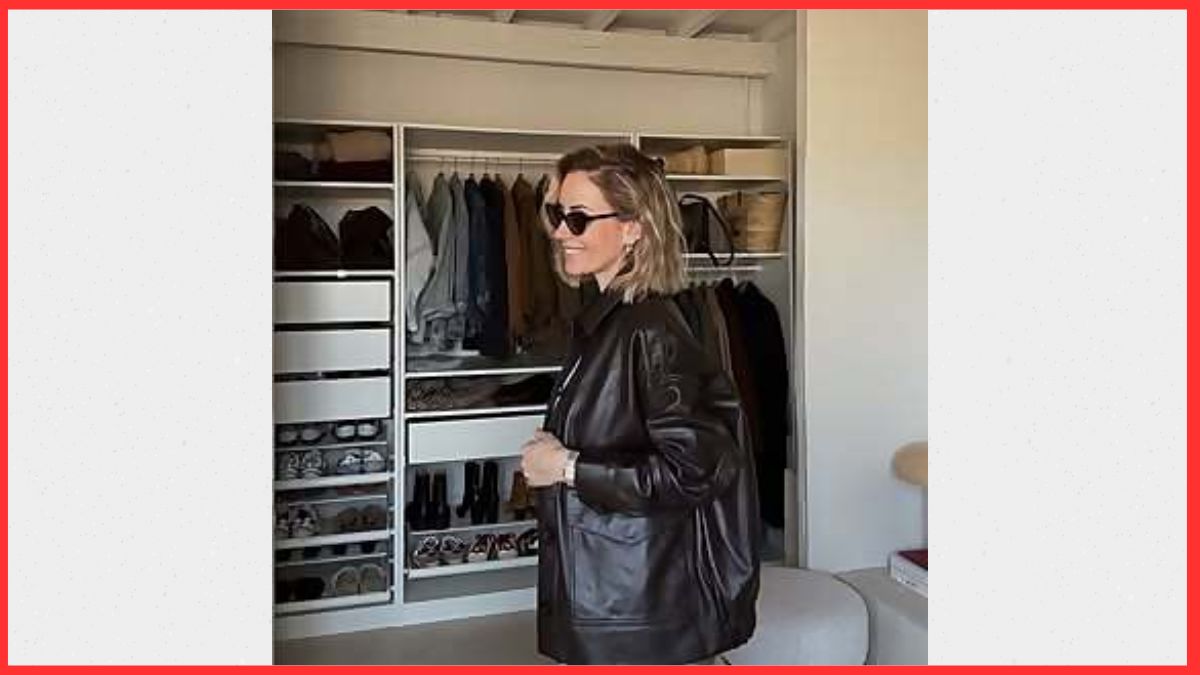
Luxury influencer Aurelie operates within a highly structured digital economy where income is driven by brand positioning, audience trust, and high-value niche targeting. In the United States’ influencer marketing ecosystem, luxury creators typically earn through diversified revenue systems rather than a single income source. Aurelie’s business model reflects this broader industry structure, focusing on premium lifestyle content, aspirational branding, and brand-aligned monetization strategies.
Rather than relying on traditional advertising alone, luxury influencers like Aurelie function as hybrid media brands. Their income is closely tied to engagement quality, audience demographics, and partnerships with luxury and premium consumer brands.
Primary Revenue Stream — Brand Collaborations & Sponsored Content
The most significant income source for luxury influencers in the U.S. market is sponsored partnerships with fashion, beauty, and lifestyle brands. Aurelie’s monetization model follows this industry-standard approach, where brands compensate creators for high-visibility content placements across platforms such as Instagram, TikTok, and YouTube.
Sponsored posts are typically structured as fixed-fee contracts or campaign-based deals. In luxury segments, rates are often influenced by engagement rate, audience purchasing power, and niche relevance rather than follower count alone. Luxury brands prioritize influencers like Aurelie who can authentically integrate premium products into aspirational storytelling.
Affiliate Marketing and Performance-Based Earnings
Affiliate marketing serves as a scalable income channel for luxury influencers. Aurelie likely participates in affiliate programs where she earns commission-based revenue when followers purchase products through tracked links.
In the U.S. influencer economy, affiliate programs from high-end retailers and fashion platforms provide recurring passive income opportunities. Earnings depend on conversion rates, making content strategy and audience trust essential performance drivers.
Digital Product Monetization and Personal Brand Expansion
Beyond brand deals, luxury influencers increasingly develop digital products such as curated style guides, exclusive memberships, or downloadable content. This model allows creators like Aurelie to monetize expertise directly while maintaining brand control.
Digital products are particularly effective in the luxury niche because audiences seek curated lifestyle direction, including wardrobe styling, travel aesthetics, and premium shopping recommendations. These products offer high profit margins due to low production costs and global scalability.
Event Collaborations and Exclusive Experiences
Another revenue stream common among luxury influencers includes paid event appearances, brand-hosted experiences, and luxury campaign participation. Aurelie’s positioning in the luxury space allows her to be featured in exclusive brand activations, often tied to seasonal fashion launches or lifestyle events.
These engagements are typically contract-based and may include appearance fees, content deliverables, and co-branded exposure across digital channels.
Conclusion — A Multi-Layered Luxury Business Model
Aurelie’s income structure reflects the modern U.S. luxury influencer ecosystem, where financial success is built on multiple interconnected revenue streams. Sponsored content, affiliate marketing, digital products, and experiential partnerships collectively form a diversified monetization strategy.
This multi-channel approach ensures stability, scalability, and brand longevity in a competitive digital marketplace, positioning luxury influencers like Aurelie as both content creators and independent media entrepreneurs.