
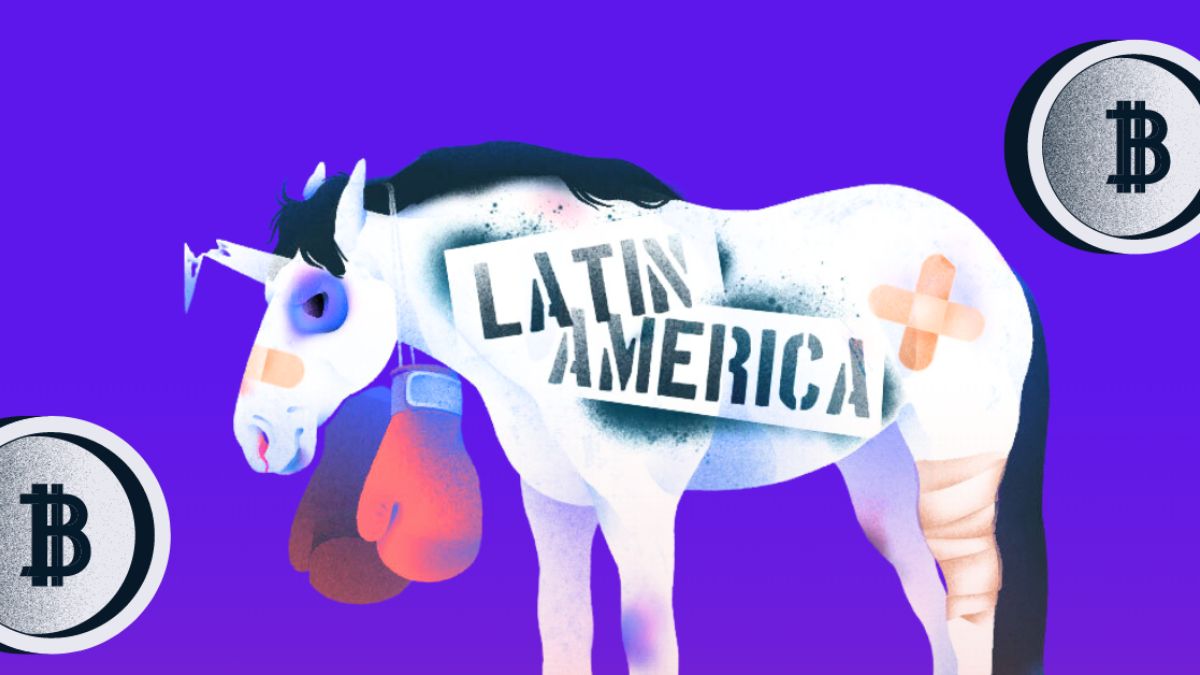
This week, Latin America made big moves in the crypto space. Brazil’s Banco Safra launched a dollar-backed stablecoin called Safra Dollar. At the same time, Bitget Wallet teamed up with Spindl to improve how people find and use Web3 apps. And in Venezuela, USDT crossed a key milestone, showing just how fragile the bolívar has become.
In Brazil, Banco Safra introduced Safra Dollar, a digital coin backed one-to-one with the US dollar. It was built with the help of Hamsa, a California tokenization firm. Investors can buy in with as little as a thousand reais, which is about 188 US dollars. The coin offers next-day liquidity, no IOF tax, and can be managed fully through Safra’s app or online banking. Each token is backed by short-term dollar reserves, keeping it stable. Safra Dollar doesn’t pay yield, but it tracks dollar exchange swings while adding the security and traceability of blockchain. This is not Safra’s first crypto step. In 2023, the bank launched a crypto selection fund, and in 2024, it released a Bitcoin fund linked to BlackRock’s ETF. With Safra Dollar, it now gives Brazilians easier dollar exposure without needing a foreign account.
Meanwhile, Bitget Wallet, which already serves more than 80 million users, partnered with Spindl, a Web3 growth platform. The goal is to fix one of Web3’s biggest challenges: how users discover apps and projects. In Web2, clicks and impressions tell the story. But in Web3, journeys involve wallets, contracts, and on-chain actions that are harder to track. Spindl’s system uses the blockchain itself as a transparent database. This makes it possible to link marketing campaigns to actual wallet connections or transactions.
As part of the deal, Spindl’s placements will appear in Bitget Wallet’s Discover feature, creating the first wallet-native attribution test of its kind. This gives developers better tools to reach users while keeping performance data transparent. Bitget calls this a crucial step for Web3’s next growth wave. Spindl, on the other hand, sees it as a chance to expand further in Asia.
In Venezuela, the story is darker. The price of USDT has climbed past 300 bolívars, trading at 305 on Binance’s peer-to-peer platform. For many, this milestone marks another clear sign of the bolívar’s collapse. Hyperinflation and shrinking reserves have eroded trust in the local currency. Today, USDT is more than just a store of value. It is used daily for payments, savings, and even price tags.
From taxi drivers to freelancers, people now turn to stablecoins first. Over 47% of transactions under 10,000 dollars are now made in stablecoins. But this shift brings new problems. Sometimes paying with Binance Pay costs more than the parallel rate, and the central bank keeps printing bolívars to buy USDT, which only fuels inflation further. Economists say inflation now runs above 229% a year. For many, the bolívar is no longer a functioning currency, and reliance on Tether shows how vulnerable the system has become.
Latin America is proving it can innovate quickly in digital finance. Brazil is experimenting with bank-issued stablecoins, global wallets are testing new growth tools, and Venezuela is showing what happens when stablecoins take over an economy in crisis.
