

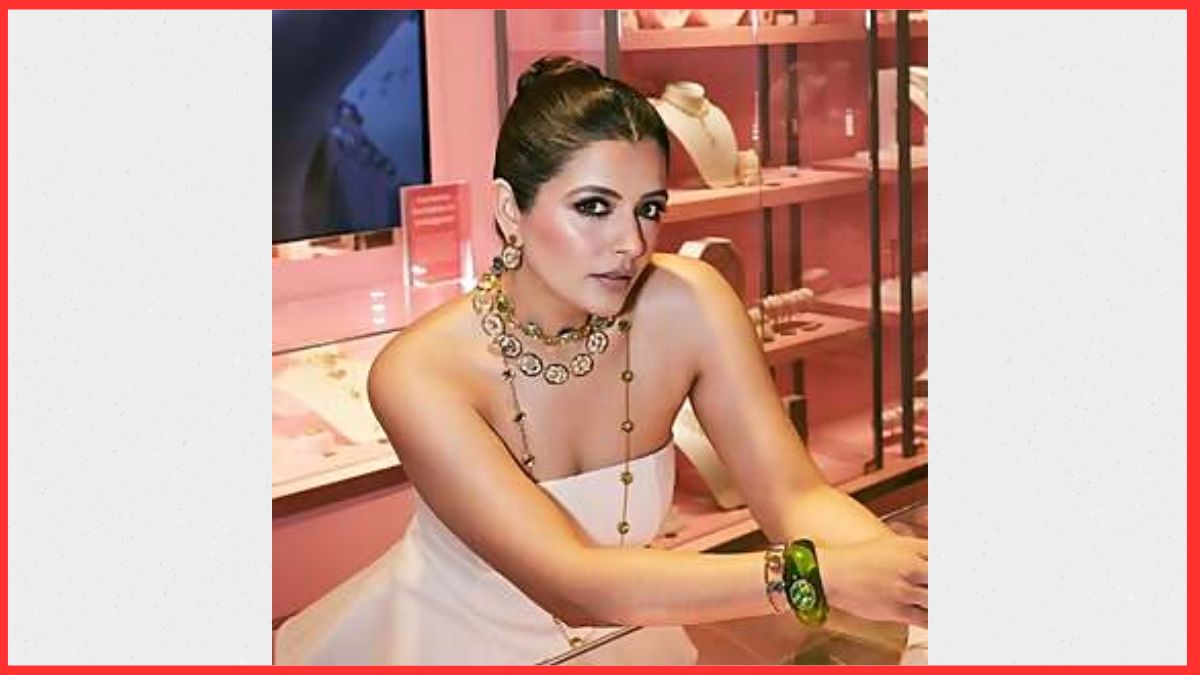
In the evolving creator economy, luxury influencers are no longer just content creators—they operate as multi-channel businesses. Kompal Matta Kapoor has positioned herself within India’s premium lifestyle and fashion segment, building a monetization framework that aligns closely with global, including U.S., influencer marketing standards. Her revenue model reflects a structured mix of brand collaborations, digital media monetization, and high-value audience targeting.
Core Revenue Stream: Premium Brand Collaborations
Sponsored Content and Campaign Partnerships
The primary source of income for Kompal Matta Kapoor comes from paid brand collaborations across platforms like Instagram. Luxury and premium brands typically allocate significant budgets for influencer campaigns targeting affluent, urban audiences. In markets comparable to the U.S., mid-to-high tier luxury influencers can command anywhere from $2,000 to $10,000 per sponsored post depending on engagement metrics and audience quality. While exact figures are not publicly disclosed, Kapoor’s positioning within the premium segment suggests participation in similar high-value campaigns scaled to regional markets.
These collaborations often include:
- Sponsored posts and reels
- Multi-post campaign retainers
- Event-based brand promotions
Long-term contracts with brands are particularly valuable, as they provide recurring income rather than one-off payments.
Platform Monetization and Digital Assets
Instagram as a Primary Revenue Engine
Kapoor’s digital presence is anchored on Instagram, which functions as both a media channel and a commercial asset. Revenue is driven not by platform payouts alone, but by leveraging reach and engagement to secure brand deals. In a U.S.-style influencer economy, creators with consistent engagement rates above 2–3% are considered commercially viable for premium campaigns, a benchmark that directly impacts pricing power.
Content Licensing and Usage Rights
Another monetization layer comes from content usage rights. Brands often pay additional fees to reuse influencer-generated content for advertising campaigns, websites, and paid media. In the U.S., these licensing fees can add 30–100% on top of base campaign costs, indicating a significant secondary revenue stream.
Business Expansion Through Personal Branding
Potential for Product Collaborations and Capsule Lines
Luxury influencers frequently expand into co-branded product lines or capsule collections. While specific product ventures must be verified on a case-by-case basis, this model—common in the U.S. market—allows influencers to earn through royalties or profit-sharing agreements, typically ranging from 5% to 20% of product sales.
Affiliate Marketing in Premium Segments
Affiliate partnerships provide another scalable income stream. By promoting curated luxury products, influencers earn commissions on sales generated through tracked links. In high-end retail, affiliate commissions often range between 5% and 15%, depending on the brand and platform.
Event Appearances and Experiential Marketing
Luxury influencers like Kapoor are also compensated for attending and promoting brand events, store launches, and fashion showcases. These engagements combine appearance fees with content deliverables, creating bundled revenue opportunities. In U.S. markets, such appearances can range from $1,000 to $5,000 per event for mid-tier influencers, illustrating the commercial value of physical presence alongside digital influence.
The Bottom Line: A Structured Influencer Business Model
Kompal Matta Kapoor’s income strategy reflects a diversified, performance-driven influencer business model. Rather than relying on a single revenue stream, her approach integrates brand partnerships, content monetization, and scalable digital assets. This mirrors the mature U.S. influencer economy, where creators function as media brands—leveraging audience trust, niche positioning, and measurable engagement to drive consistent, multi-channel revenue.
For brands and aspiring influencers alike, Kapoor’s model highlights a key takeaway: sustainable income in the luxury influencer space is built on strategic positioning, not just follower count.