
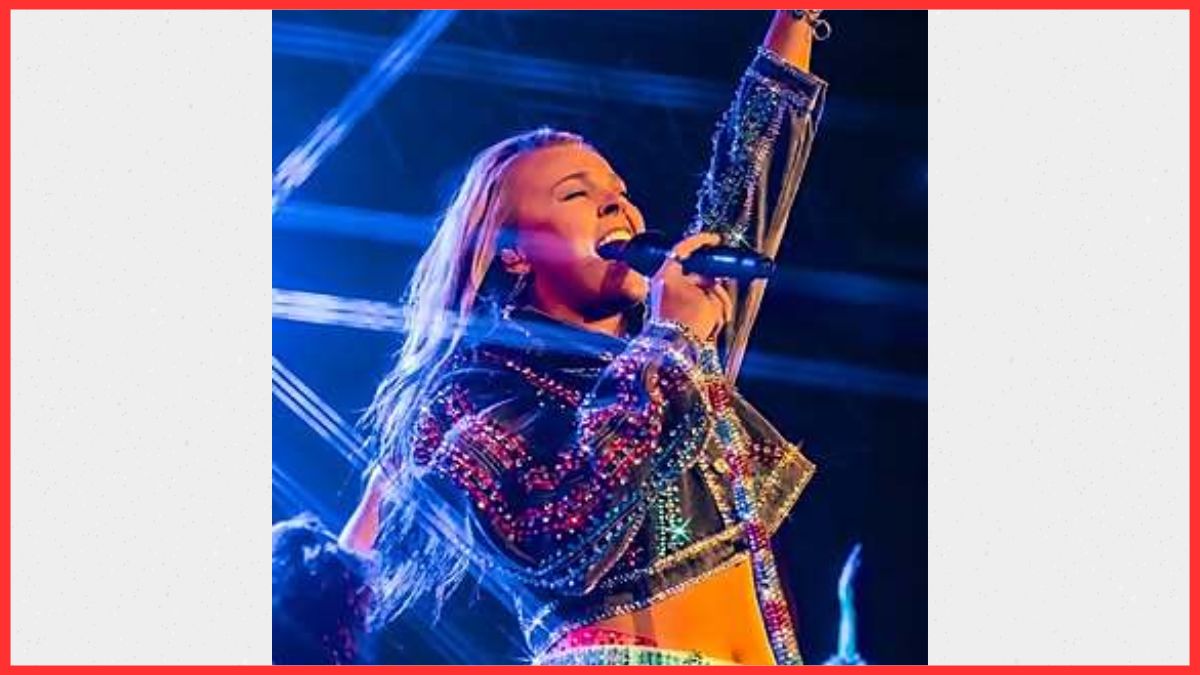
JoJo Siwa, the vibrant Gen Z entertainer, has transformed her infectious personality and colorful style into a thriving business empire. With a career spanning music, television, YouTube, and merchandise, Siwa’s approach to monetization reflects a diverse, multi-stream strategy that targets both young audiences and loyal fans in the U.S. market.
Siwa first gained widespread recognition through “Dance Moms,” a reality TV series on Lifetime, which provided a springboard for her brand. Leveraging that visibility, she created content across YouTube and social media platforms, where she currently boasts millions of subscribers and followers. This digital presence serves as the cornerstone of her business model, enabling direct fan engagement and content monetization through ad revenue, sponsored content, and affiliate partnerships.
Merchandise and Licensing: The Core Revenue Engine
A substantial portion of Siwa’s income comes from her expansive merchandise line. The JoJo Siwa brand includes bows, clothing, accessories, and home décor, distributed through major U.S. retailers such as Walmart and Target. The JoJo Siwa bows, in particular, have become a signature product, generating millions in annual revenue. The licensing agreements allow her brand to expand without the operational burden of production and distribution, maximizing profit margins.
Additionally, Siwa has strategically partnered with global toy and entertainment companies to license her brand for products including dolls, craft kits, and themed party supplies. These partnerships diversify revenue streams while solidifying her brand’s presence in the U.S. market and beyond.
Live Tours and Performances
Beyond merchandise, Siwa earns through live performances and concert tours. Her energetic stage shows, often accompanied by meet-and-greet opportunities, provide substantial ticket revenue. These tours are supplemented by VIP packages and exclusive merchandise sold at events, enhancing per-fan revenue. The tours also amplify her brand visibility, driving merchandise sales and digital engagement concurrently.
YouTube and Digital Content Monetization
JoJo Siwa’s YouTube channel is another significant revenue source. Monetization comes from ads, sponsored content, and YouTube Premium revenue. Her content—ranging from behind-the-scenes footage, tutorials, and dance routines—appeals primarily to children and young teens, capturing a demographic that heavily influences retail purchasing decisions. Collaborations with other influencers and brands further expand reach and income potential.
Strategic Brand Partnerships
Siwa has also leveraged her influence for endorsements and collaborations. Partnerships with companies such as Nickelodeon and popular toy brands provide both upfront payments and royalties. These strategic alliances enhance brand credibility and tap into established consumer bases, ensuring a consistent revenue flow.
Content and Style: The Pillars of Influence
Siwa’s signature style—bright colors, oversized hair bows, and high-energy performances—is not just a visual identity but a business asset. It creates instant brand recognition and allows for cohesive merchandising and content strategies. Her cheerful, inclusive persona resonates with Gen Z and younger audiences, driving engagement and fostering brand loyalty across multiple revenue channels.
In conclusion, JoJo Siwa exemplifies how Gen Z influencers can convert visibility into diversified income streams. From merchandise and licensing to digital content and live performances, her business model showcases a strategically integrated approach that maximizes both reach and revenue, ensuring her brand remains vibrant and financially robust in the U.S. entertainment landscape.
