
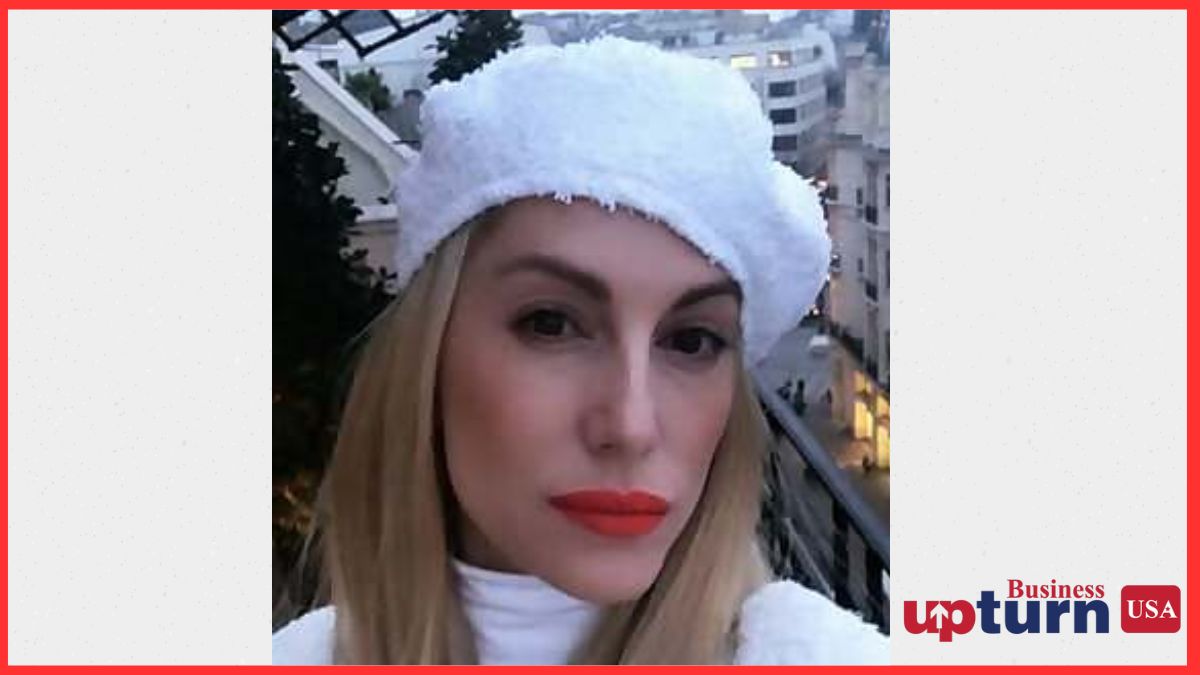
Joanna Hillman has steadily risen as one of the most influential voices in the U.S. fashion scene, not merely through her impeccable style, but through a meticulously crafted business model that turns influence into revenue. With a strategic blend of social media presence, brand partnerships, and entrepreneurial ventures, Hillman exemplifies the modern fashion influencer’s approach to monetization.
Monetization Through Social Media Platforms
At the core of Hillman’s business model is her social media presence. Platforms like Instagram, TikTok, and YouTube serve as primary channels for engagement, providing both reach and a direct line to her audience. By consistently posting high-quality fashion content, styling tips, and trend forecasts, she attracts sponsorship opportunities from brands eager to tap into her loyal following.
Brand partnerships form a significant revenue stream. Hillman collaborates with fashion labels, beauty companies, and lifestyle brands on sponsored posts, paid collaborations, and affiliate marketing campaigns. Each partnership is carefully selected to align with her audience demographics, ensuring authenticity while maximizing financial returns. In the U.S., top-tier influencers like Hillman can command thousands of dollars per sponsored post, with rates varying based on engagement and platform metrics.
Affiliate Marketing and Product Promotions
Affiliate marketing is another key component of Hillman’s monetization strategy. By promoting clothing lines, accessories, and beauty products with unique referral links or discount codes, she earns a commission for each sale generated through her content. This method provides a passive income stream that scales with audience engagement, particularly during seasonal fashion launches or limited-time promotions.
Hillman often leverages Instagram Stories, Reels, and YouTube videos to integrate product promotions seamlessly into her content. This approach maintains audience trust while driving measurable sales for partner brands, creating a mutually beneficial ecosystem.
Entrepreneurship and Personal Branding
Beyond social media monetization, Joanna Hillman has embraced entrepreneurial ventures to diversify her revenue. This includes launching limited-edition fashion collaborations, curated clothing lines, and branded merchandise. These ventures not only generate direct sales but also reinforce her brand identity as a trendsetter in the fashion industry.
Hillman’s business model emphasizes the strategic cultivation of her personal brand. By maintaining consistent aesthetics, engaging storytelling, and community interaction, she enhances her value to sponsors and partners. This personal branding approach translates into long-term business sustainability, as brands prioritize influencers with authentic and engaged followings.
Revenue Diversification and Long-Term Strategy
A defining feature of Hillman’s business approach is revenue diversification. Her income streams include sponsored content, affiliate commissions, product collaborations, and direct merchandise sales. This diversified strategy mitigates risk, allowing her to sustain income during market fluctuations or shifts in social media trends.
Additionally, Hillman invests in analytics and audience insights to continually refine her content strategy, ensuring that her engagement metrics remain strong and appealing to potential partners. This data-driven approach positions her not just as a fashion influencer but as a savvy business professional in the U.S. digital economy.
Conclusion
Joanna Hillman represents a textbook example of a fashion influencer leveraging multiple revenue streams to build a sustainable business. Through social media monetization, affiliate marketing, entrepreneurial ventures, and strategic personal branding, she converts style influence into measurable income. Her business model highlights the opportunities available for influencers in the U.S., combining creativity with strategic financial planning to secure long-term success.
