

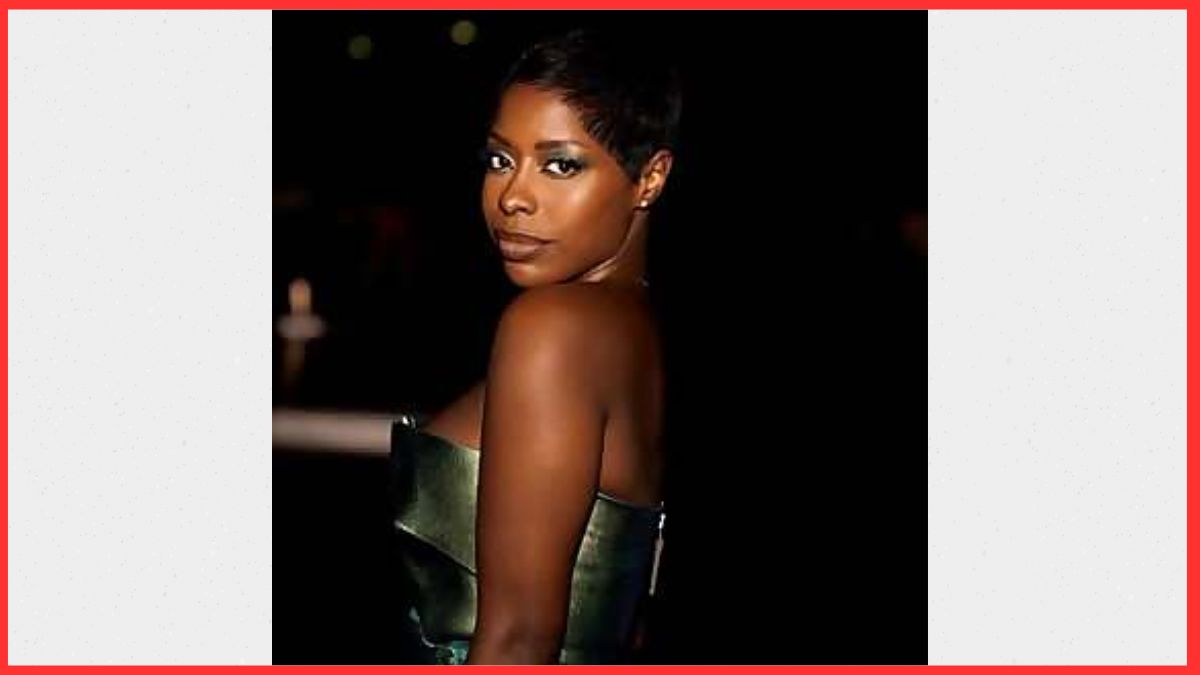
Jenee Naylor, widely recognized online under her fashion brand identity HighLowLuxx, is a U.S.-based digital creator known for curated fashion content, styling inspiration, and lifestyle-focused social media output. While her personal financial disclosures are not publicly available, her visibility across platforms places her within the modern creator economy—where income is typically generated through a combination of digital monetization channels rather than a single salary-based structure.
In the United States, creators in her category commonly build income streams by leveraging audience engagement across Instagram, TikTok, and other short-form video platforms. These platforms function as distribution channels that enable monetization through brand integration, affiliate commerce, and advertising-based revenue models.
H2: Core Monetization Strategies in the Fashion Influencer Ecosystem
Although specific contract details for Jenee are not publicly disclosed, fashion creators operating at her level generally rely on multiple structured revenue streams. These are industry-standard mechanisms that define how digital influence is converted into income.
H3: Brand Partnerships and Sponsored Content
Brand collaborations are typically the most significant income driver for fashion influencers. In these arrangements, creators are paid to feature clothing, accessories, or lifestyle products within curated content. Compensation is usually structured as fixed campaign fees or multi-post agreements depending on audience reach, engagement rate, and content usage rights across platforms.
H3: Affiliate Marketing and Performance-Based Sales
Affiliate marketing is another key monetization model used widely in the U.S. creator space. Influencers earn commissions when followers purchase products through trackable links. Platforms such as LikeToKnow.it (LTK) and Amazon Associates are commonly used in the fashion niche, enabling creators to monetize styling recommendations without holding physical inventory.
H3: Platform-Based Monetization
Social media platforms themselves also offer monetization programs. These include ad-revenue sharing on long-form YouTube content and short-form video incentive programs such as TikTok’s creator monetization initiatives in the U.S. While payout structures vary, earnings are generally tied to views, engagement, and watch time metrics.
H3: Digital Influence Extensions
Beyond direct content monetization, fashion creators often expand into digital product lines, consulting services, or curated shopping guides. These offerings allow influencers to diversify income beyond algorithm-driven platforms and build more stable revenue channels over time.
H2: The Business Model Behind Modern Fashion Creators
Jenee’s professional presence reflects a broader shift in the U.S. creator economy, where personal branding functions as a commercial asset. Rather than relying on a single employer, creators operate as independent media businesses combining content production, audience building, and multi-channel monetization.
In this model, income is not fixed but dynamic—driven by engagement, seasonal brand campaigns, and evolving platform algorithms. This structure has become a defining feature of digital entrepreneurship in the U.S. fashion and lifestyle sector.