
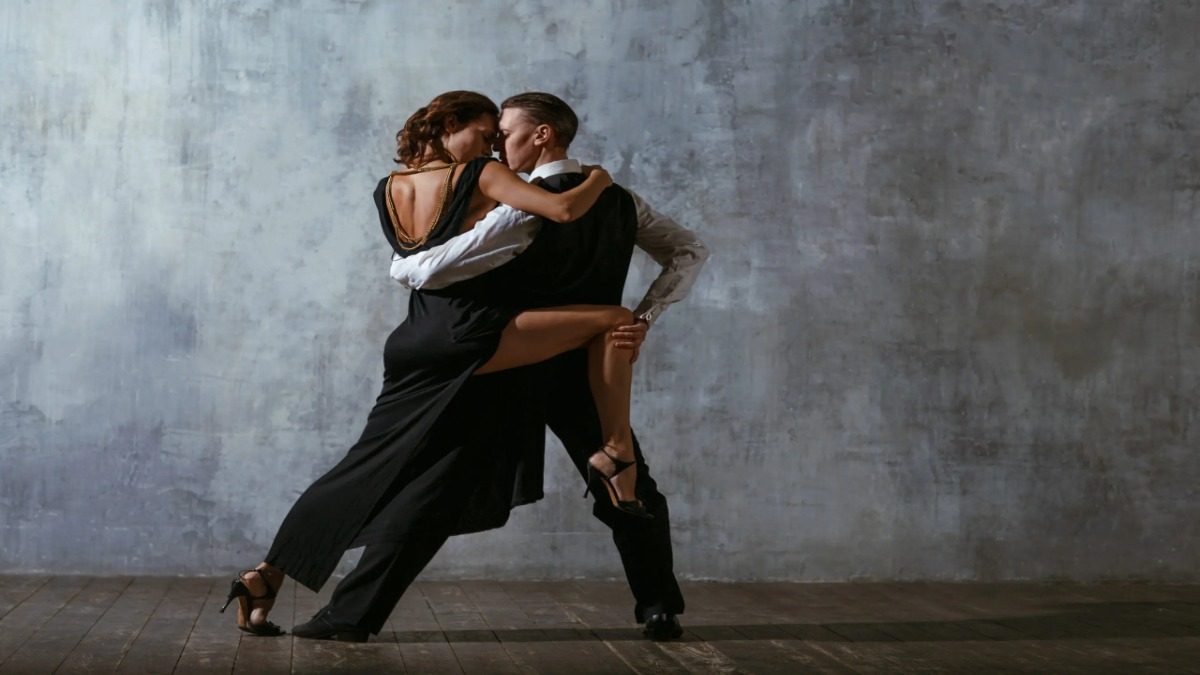
The tango, with its alluring movements and passionate embrace, has long been regarded as one of the most sensual and captivating dance forms. Originating in the vibrant streets of Buenos Aires, Argentina, the tango has earned a reputation for its intensity and emotional expression. In this article, we explore the question: Is the tango truly a romantic dance, and what elements contribute to its romantic allure?
The Intimate Embrace: At the heart of the tango’s romantic appeal is the intimate embrace shared between dance partners. Unlike many other dance forms, the tango involves a close chest-to-chest connection, creating a sense of emotional and physical closeness. The dance’s signature moves, including dips and intricate leg wraps, enhance the intimacy between partners, fostering a deep and passionate connection.
Expressive Movements: The tango’s choreography is marked by expressive movements that convey a range of emotions, from desire to longing. Dancers engage in a subtle dialogue through their steps, responding to the ebb and flow of the music. The intentional pauses, quick changes in direction, and moments of intense eye contact all contribute to the dance’s ability to convey a romantic narrative.
Music that Speaks to the Heart: Central to the tango experience is its rich musical accompaniment. Tango music, characterized by its soulful melodies and evocative lyrics, often tells stories of love, heartbreak, and desire. The emotional depth of the music resonates with dancers and audiences alike, creating a romantic ambiance that enhances the dance’s allure.
The Dance of Seduction: While the tango is undoubtedly a dance of passion, it also carries an element of seduction. The close embrace, combined with the sensuous movements, creates an atmosphere charged with tension and desire. The give-and-take between partners, the subtle shifts in weight, and the anticipation of the next move all contribute to the dance’s seductive quality.
Romantic Variations: Throughout its evolution, the tango has given rise to various styles and interpretations, each adding its own layer of romanticism. Whether it’s the intricate and improvisational nature of Argentine Tango or the polished elegance of American and International Tango, the dance continues to adapt while preserving its romantic essence.
In conclusion, the tango is undeniably a romantic dance that transcends cultural boundaries and time. From its humble beginnings in the working-class neighborhoods of Buenos Aires to its global popularity on ballroom floors, the tango has maintained its ability to evoke passion, express emotions, and create an intimate connection between dance partners. As dancers continue to embrace the tango, they engage in a dance that speaks the language of the heart, captivating audiences and cementing the tango’s reputation as a truly romantic and timeless art form.
