
Internet censorship affected 4.6 billion people worldwide in 2025, according to new research from Surfshark. The study found 81 new restrictions last year, a 29% increase compared to 2024, with Asia seeing the largest number of new blocks.
Social media platforms were a frequent target, accounting for one in four restrictions. Many users turned to VPNs to bypass the blocks and protect their privacy. Experts warn that internet censorship is a growing threat to online freedom and digital rights.
Restrictions were not only seen in authoritarian countries. Western governments also introduced rules affecting internet freedom, including the UK’s Online Safety Act, new age verification laws in the U.S., and social media bans in Australia. Alongside these, governments in countries facing political unrest or protests also limited internet access to control communication.
India was the most restrictive country in 2025. Authorities introduced 24 new restrictions, up from 23 in 2024, mostly related to protests and political turmoil. VPNs were banned from India’s app stores, and major VPNs do not host physical servers in the country. In Kashmir and Jammu, authorities imposed a two-month VPN ban citing “suspicious online activity.”
Iraq and Afghanistan were next on the list, with nine and seven new cases respectively. Turkey recorded two restrictions, triggering spikes in VPN use during protests and social media crackdowns. Pakistan attempted to ban VPNs multiple times, and though a full ban was avoided, surprise restrictions continued into 2026.
Africa was the second-most affected continent, with 20 new restrictions imposed by eight countries, affecting 344 million people. Cameroon had the highest number of blocks on the continent with five cases. In South America, Venezuela blocked Telegram in January, causing a surge in VPN usage. Authorities also targeted VPN apps, blocking at least 20 apps and websites.
Political turmoil was the leading reason for censorship. Out of 81 new restrictions, 51 were linked to political unrest, affecting 2.1 billion people. Four countries restricted the internet during elections, while protests prompted restrictions in six nations, including India, Kenya, and Pakistan. Regional shutdowns were the most common, affecting specific cities or areas rather than entire countries.
Telegram was the most targeted social media app, blocked by seven governments on nine occasions. Other popular apps such as Facebook, YouTube, Instagram, X, and WhatsApp also faced bans. Many of these platforms are essential for activists and citizens to communicate freely when governments restrict the internet.
VPNs remain a vital tool for bypassing censorship. They allow users to connect to servers outside restricted areas and access blocked apps and websites. Advanced VPN features like obfuscation help disguise VPN traffic, making it harder for governments to detect and block users. NordVPN’s NordWhisper, Proton VPN’s Stealth, and ExpressVPN’s Lightway are examples of tools helping people maintain online access.
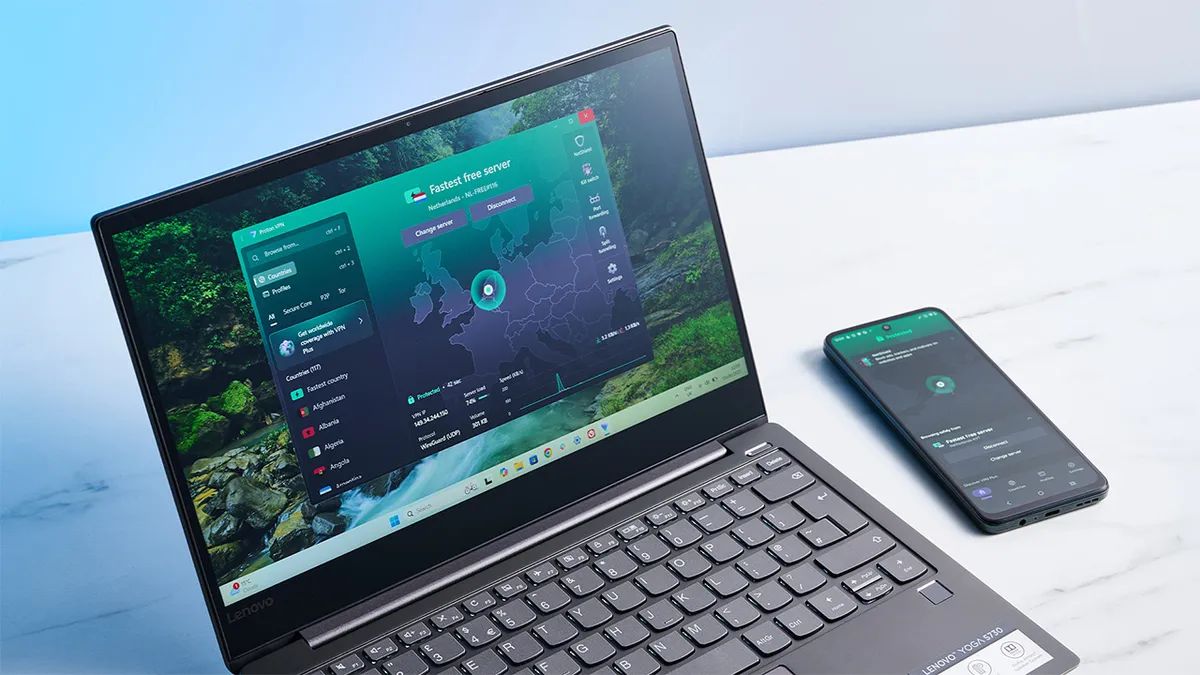
Proton VPN, in particular, saw significant usage during 2025 thanks to its free version and dedicated anti-censorship tools. Its strong presence in Asia and Africa allowed many users to bypass restrictions safely.
2025 saw the highest number of new internet restrictions since 2021. With censorship showing no signs of slowing in 2026, privacy advocates are urging governments and citizens to fight for a free and open internet.
