
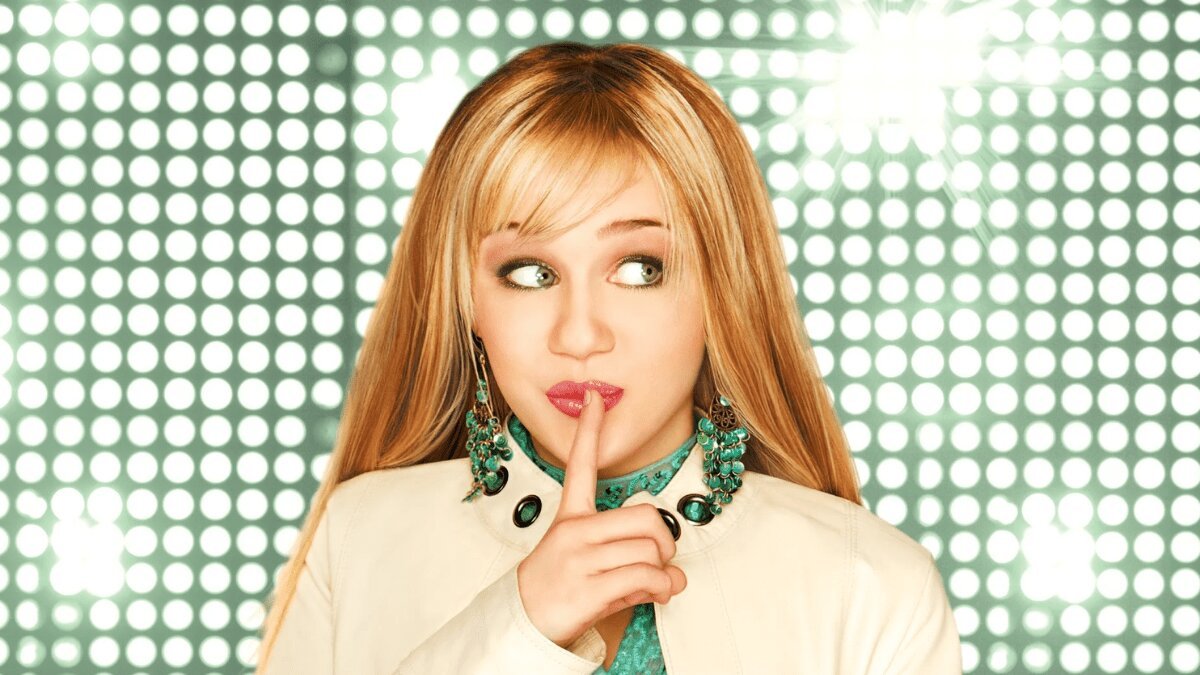
Introduction: A Wig, A Dream, A Generation’s Mood
It started quietly. A blonde wig on TikTok. A glittery belt in a thrift haul. A Miley Cyrus track from her Disney days spliced over a chaotic meme. Then suddenly—everywhere.
In Summer 2025, a bold, loud, and deeply unserious aesthetic has taken over the internet and IRL wardrobes alike. They’re calling it Hannah Montana-core—and it’s not just a Y2K revival or another microtrend spun from nostalgia. It’s a pop-infused manifesto for contradiction, chaos, and radical girlhood.
Born from the iconic Disney Channel show that aired between 2006 and 2011, Hannah Montana followed teenager Miley Stewart, who lived a secret double life as an average schoolgirl by day and global pop star by night. That tension—between identity and performance, chaos and control—is exactly what defines this trend.
But why Hannah? Why now?
Because we’re exhausted. Because being a “personal brand” 24/7 has melted our attention spans and drained our wardrobes of joy. Because Gen Z is allergic to sincerity and addicted to meta-aesthetics. Because girlhood—especially chaotic, campy, low-rise-jeans girlhood—feels like one of the only safe spaces left to perform, play, and fall apart in style.
Hannah Montana-core doesn’t ask you to be cool. It asks you to be too much. Loud colors. Clashing patterns. Layered tank tops. Faux fur. Butterfly clips. Lip gloss. Emotional whiplash. You are both the main character and the cringe sidekick—and that’s the aesthetic.
More than a fashion trend, it’s a lifestyle remix: absurdity with glitter, burnout with sparkles, and glam with emotional disarray.
The Double Life We All Live Now
The appeal of Hannah Montana in 2025 is surprisingly existential.
Back in 2006, her “double life” was a wild fantasy. Today? It’s reality. Social media has turned everyone into a performer. There’s the version of you that exists on Instagram, looking polished, put-together, curated. And there’s the other version: burnt out, doomscrolling, trying to keep up.
Hannah Montana-core names that split—and leans into it.
You don’t have to choose between being cool and chaotic. You can wear a glittery belt and still be melting down over your third rejection email of the week. You can cosplay joy while questioning everything. Because at least you’re doing it in sparkles.
Aesthetic Breakdown: What Is Hannah Montana-Core?
This isn’t just Y2K fashion 2.0. It’s a specific, knowing remix of 2000s popstar costume logic and tween chaos. Here’s how you recognize it:
-
Layered tank tops (bonus points if one is rhinestoned)
-
Miniskirts + leggings + Uggs or boots
-
Big belts, big hair, big jewelry
-
Sequins, leopard print, and denim—often all at once
-
Pink or purple anything
-
Faux fur trims and metallic accessories
-
Overlined lips, butterfly clips, plastic rings
But more importantly, it’s the vibe that makes it Hannah-core:
✨ Performing for no one
✨ Playing dress-up for chaos
✨ Romanticizing tween delusion
✨ Rejecting effortlessness
✨ Embracing identity crisis as aesthetic
It’s tacky, maximalist, and unfiltered—and that’s what makes it feel so current.
The Post-Barbie Cultural Shift
Much of the aesthetic landscape of the early 2020s was shaped by Barbie (2023)—and its massive cultural footprint helped mainstream hyperfeminine maximalism. But Barbie was polished, pink, and controlled.
Hannah Montana-core is Barbie’s chaotic little cousin.
Where Barbiecore was elegance in heels, Hannah-core is rhinestone chaos in Uggs. Where Barbie felt like a complete persona, Hannah-core celebrates identity crisis. The hair doesn’t match. The lip gloss is sticky. The outfits don’t make sense. That’s the point.
We’ve entered the era of unbranded girlhood—where confusion is a costume and sincerity is overrated.
The TikTokification of Aesthetics
No aesthetic can truly go viral without TikTok’s blessing, and Hannah-core is no exception. But its rise wasn’t engineered—it emerged from chaos, like a sparkly phoenix in a Dollar Tree.
TikTok creators began revisiting old Hannah Montana songs, remixing clips, and ironically dressing up like 2008 tween icons. But something clicked: the irony became earnest. Soon, thrifted hauls turned into full-blown cosplay. Club nights started playing “Nobody’s Perfect” unironically. Blonde wigs popped up in public parks.
It’s a perfect TikTok aesthetic because:
-
It’s visually loud
-
It’s deeply memeable
-
It’s easy to thrift
-
It has a built-in soundtrack
-
It plays on meta-nostalgia
It’s not just about dressing up—it’s about playing a role. And TikTok loves a character arc.
Rebellion in Rhinestones
Let’s be real: hustle culture is crumbling. Gen Z is done chasing productivity as identity. Hannah Montana-core is a rebellion wrapped in lip gloss.
It says:
-
You don’t need a “capsule wardrobe.”
-
You don’t need to be “clean girl” chic.
-
You don’t need to have it all figured out.
In fact, it’s better if you don’t.
When everything is burning—climate, politics, attention spans—sometimes the most honest thing you can do is throw on a metallic tank top, layer three necklaces, and lip sync to “He Could Be The One” on a Tuesday afternoon.
Mental Health, Camp, and Cringe Liberation
Underneath the glitter and plastic, there’s a real emotional undertone to this trend.
People are tired. Identity is a performance. Gender feels like a costume. Attention spans are scorched. Nobody knows how to be sincere anymore without cringing.
Hannah Montana-core makes space for all of that.
It acknowledges:
-
That performing femininity is exhausting
-
That identity is fractured and fluid
-
That sometimes, camp is the only way to cope
-
That girlhood—especially chaotic girlhood—is a soft space to fall apart
It’s not about healing. It’s about survival. In rhinestones.
Miley’s Ghost (And Blessing)
There’s something poetic about the fact that Miley Cyrus herself has already gone through the very arc this aesthetic embodies: from child star to rebel to self-aware pop icon. Her Hannah Montana era was both formative and restrictive—a glittery cage and a rocket launch.
Hannah Montana-core reclaims that moment—not as delusion, but as power. Not as innocence, but as energy. Miley’s post-Disney journey has given us the blueprint: you don’t have to choose one version of yourself. You can shapeshift.
That’s the real popstar fantasy: not fame, but freedom.
Conclusion: Too Much, On Purpose
Hannah Montana-core is not about going back in time. It’s not about pretending 2008 was better (spoiler: it wasn’t). It’s about choosing a more chaotic, expressive, contradiction-filled identity in a world that demands clarity, control, and coherence.
And rejecting that demand on purpose.
Summer 2025 is drenched in this aesthetic not because it’s “in,” but because it’s true. It reflects how people actually feel: a little ridiculous, a little lost, but still trying to make life feel like a performance worth watching.
When everything else is so polished, curated, and overstated, sometimes the rawest move is to wear something outrageous, sing like no one’s watching, and live like you have a secret.
The Hannah Montana-core aesthetic is rebellion masked as play. It gives you permission to be contradictory. To be earnest and ironic, fabulous and flailing. And maybe that’s the only way to survive right now.
So put on the wig. Layer those tank tops. Play the old songs. Romanticize your chaos.
You’re not escaping reality. You’re reframing it—with glitter.
