
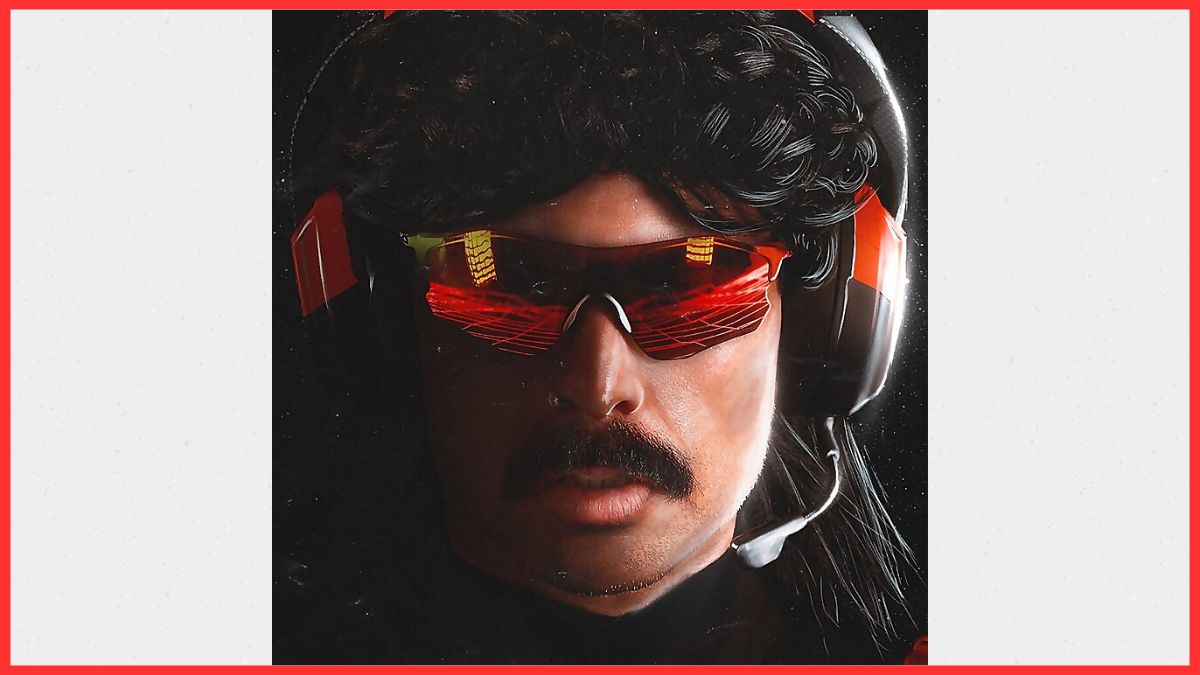
Herschel “Dr Disrespect” Beahm IV is one of the most recognizable figures in the U.S. gaming entertainment economy, known for transforming a larger-than-life streaming persona into a diversified digital business. From platform-based monetization to branded ventures, Beahm’s business model reflects how modern creators operate as full-scale media companies rather than single-platform influencers.
Platform Monetization and Audience Scale
Beahm’s primary revenue engine has historically been live streaming. Across platforms such as Twitch (earlier in his career) and later YouTube Gaming, his channels attracted millions of subscribers and viewers, creating a high-value advertising environment. On YouTube, creators earn through a revenue share model where ads placed on videos and live streams generate CPM-based income tied to views, geography, and watch time. With a U.S.-heavy audience and long-form livestream sessions, Beahm’s channel has typically benefited from premium ad rates compared to short-form gaming clips.
Subscriptions, Memberships, and Fan Support
Beyond advertising, Beahm monetized through paid fan programs. YouTube channel memberships and previously Twitch subscriptions allowed fans to pay monthly for exclusive emotes, badges, and members-only chat access. These recurring payments form a predictable revenue layer that scales with audience loyalty rather than just raw view counts. In addition, livestream donations and Super Chats enabled real-time monetization during high-traffic broadcasts, particularly during major game launches or sponsored events.
Brand Partnerships and Sponsorship Strategy
A major pillar of Beahm’s business model has been corporate partnerships. As a U.S.-based influencer with a strong presence in the competitive gaming and tech space, he secured sponsorships from major brands in gaming peripherals, energy drinks, and PC hardware. These deals typically combine fixed-fee contracts with performance incentives tied to impressions or affiliate link conversions. Sponsored segments within streams, branded overlays, and social media integrations turn his entertainment content into premium advertising inventory.
Merchandise and Direct-to-Consumer Sales
Beahm expanded into e-commerce through branded merchandise, selling apparel and accessories that reflect his signature “Two-Time” persona. This direct-to-consumer approach allows for higher profit margins compared to ad revenue, as the creator controls product pricing, drops, and promotional cycles. Limited-edition releases and event-based merch launches create scarcity-driven demand, boosting both sales volume and brand equity.
Gaming Ventures and Intellectual Property
One of the most distinctive elements of Beahm’s business portfolio is his role as a co-founder of the game development studio Midnight Society. This venture positions him not just as a promoter of games, but as an owner of gaming intellectual property. Revenue opportunities extend beyond content creation into game sales, in-game purchases, and long-term licensing potential. This model mirrors traditional media strategies, where creators invest in upstream production rather than only downstream promotion.
Content Style as a Commercial Asset
Beahm’s high-production, character-driven content style functions as a business differentiator. His studio-quality visuals, scripted segments, and immersive set design elevate streams into entertainment events, making them more attractive to premium advertisers. This theatrical approach increases average watch time and strengthens brand recall for sponsors, directly enhancing monetization efficiency.
A Modern Creator Economy Blueprint
From ad revenue and fan memberships to merchandise and game development equity, Herschel Beahm’s business model demonstrates how top-tier U.S. gaming influencers build multi-layered income ecosystems. By combining audience engagement with brand partnerships and intellectual property ownership, he operates less like a streamer and more like a vertically integrated digital media entrepreneur.
