
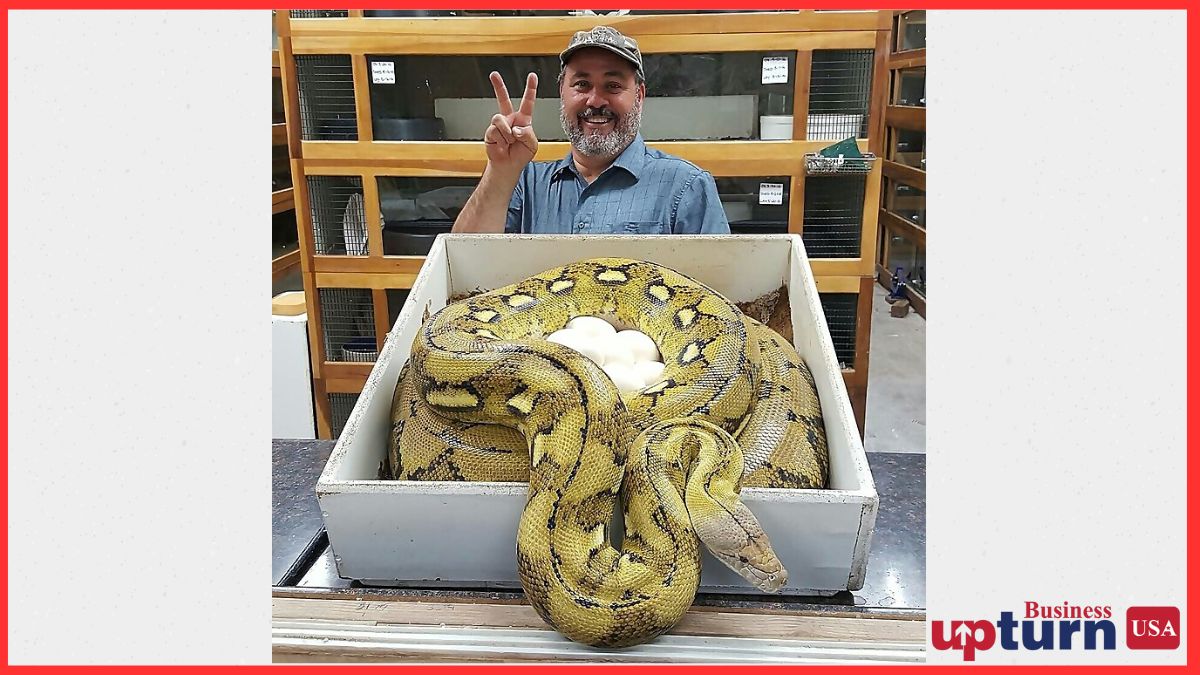
If you’ve ever scrolled through social media and suddenly found yourself staring at a massive python uncoiling toward the camera — paired with a cheerful “What’s up, guys?!” — there’s a good chance you’ve met Jay Brewer. The founder associated with The Reptile Zoo in California and the wildly popular Prehistoric Pets brand, Brewer has evolved from a small-scale reptile enthusiast into one of the internet’s most recognizable animal influencers. Yet behind all the jaw-dropping moments and massive snakes lies a deeply strategic business ecosystem that most viewers barely notice.
Instead of building a brand around shock value or controversy, Brewer built one around access, curiosity, and family-friendly adventure. His audience doesn’t just watch reptiles — they experience them through him. And that experience has become the foundation of a multi-stream global revenue model that blends digital influence with real-world tourism, experiential branding, and community-driven education.
What makes Brewer’s ecosystem especially interesting is how seamlessly it bridges the physical and digital worlds. Visitors who walk into The Reptile Zoo feel like they’ve stepped into the same moments they’ve seen online. Meanwhile, online followers feel personally connected to animals they may never see in person. That emotional link — excitement, fascination, and a touch of nervous laughter — is the engine behind his entire brand.
Below, we break down the full architecture of Jay Brewer’s business model, revealing how one of the world’s biggest reptile creators turned scale-covered stars into a thriving international enterprise.
A Multilayered Look at Jay Brewer’s Income Streams
Jay Brewer’s income model thrives on diversification — something essential in a niche like reptile entertainment, where audiences crave variety and authenticity. Instead of relying on a single platform or channel, Brewer has built an ecosystem where each revenue stream reinforces the others. The Reptile Zoo brings in physical visitors, while online content boosts interest in the zoo, which then enhances merchandise appeal, which in turn attracts brand partnerships.
What stands out most is that his content doesn’t serve as mere entertainment; it operates like a dynamic marketing funnel. A viral video of a giant snake protecting her eggs doesn’t just rack up millions of views — it subtly invites people to visit, buy merch, follow the story, and engage with the brand on multiple levels. This circular flow keeps revenue stable even when social algorithms shift.
Breaking Down the Core Revenue Layers
At the foundation sits The Reptile Zoo’s visitor-based income — ticket sales, VIP encounters, and educational programs. On top of that, Brewer earns through social media monetization across platforms like YouTube, Instagram, TikTok, and Facebook. Additional layers include brand partnerships, licensed products, exclusive merch, and special events at the zoo. All revenue sources are interconnected, allowing the business to thrive both online and offline.
The Digital Content Ecosystem That Powers His Brand
Brewer’s digital presence is the single largest accelerant of his business. Social media isn’t just supplemental marketing — it is a profit center of its own. His videos, often featuring giant snakes, unusual breeding projects, or behind-the-scenes reptile care, rack up massive views thanks to a mix of spectacle and authenticity. Viewers feel like they’re stepping right into the action, without ever needing to visit in person.
What makes Brewer’s content approach savvy is how he blends education with surprise-driven storytelling. The reactions — both his and the viewers’ — become part of the entertainment. By creating content that feels friendly and approachable, he broadens what could have been a niche audience into a mainstream one. People who have never touched a reptile suddenly find themselves invested in the personalities of the animals he showcases.
How Monetization Works Across Platforms
Brewer earns directly from ad revenue, short-form video bonuses, and platform-based creator payouts. Because his content often reaches millions of viewers, the ad income alone is substantial. Additionally, high engagement boosts discoverability, which funnels more viewers toward merchandise, zoo visits, and brand collabs — multiplying each dollar earned on social.
Visitor-Based Revenue at The Reptile Zoo
The Reptile Zoo isn’t simply a location; it’s an experiential pillar that anchors Brewer’s entire brand. Tourists, reptile enthusiasts, families, and social media fans flock to the space because it feels like stepping into one of his videos. Every corner of the zoo is designed to be interactive, photogenic, and filled with educational moments that mirror his online presence.
What makes the zoo profitable isn’t just foot traffic — it’s the tiered nature of the experiences. Visitors can stroll through exhibits, book special animal encounters, participate in feedings, celebrate birthdays, or purchase exclusive merch available only onsite. This creates an immersive environment where each guest becomes part of the brand’s story.
How Onsite Experiences Drive High-Value Conversions
The zoo offers multiple upsells: VIP packages, private reptile interactions, educational workshops, and event reservations. These are high-margin services that significantly increase per-visitor revenue. The unique “seen-on-social-media” feel of the space also leads to organic promotional content from visitors — free marketing that boosts global visibility.
Global Outreach and the International Fanbase
Despite operating primarily from California, Brewer’s audience is unmistakably global. His content travels fast because it transcends language; a giant reticulated python gently wrapping itself around a keeper doesn’t require translation. This universality has helped him build an audience that spans Asia, Europe, South America, and beyond.
Global fans often view The Reptile Zoo as a bucket-list destination. Many international visitors travel specifically because they watched Brewer’s videos online for years. This international appeal makes his brand unusually resilient — if viewership dips in one region, it rises elsewhere, keeping engagement steady.
How International Visibility Converts Into Revenue
A large worldwide fanbase boosts cross-border merchandise sales, brand licensing, and global sponsorship opportunities. International fans also fuel long-term demand for documentaries, collaborations with foreign creators, and appearances at reptile conventions abroad. The global nature of the audience ensures that digital revenue does not rely solely on US-based viewers.
Merchandise, Partnerships, and Experiential Branding
Brewer’s merchandise strategy is strikingly consistent with his online persona: friendly, bold, colorful, and centered on the animals that fans adore. Branded apparel, stuffed animals, accessories, and themed items sell well because they serve as physical reminders of the experience viewers have online or at the zoo.
Partnerships further extend this brand universe. Collaborations with toy manufacturers, pet companies, educational organizations, and digital creators amplify his visibility while introducing fans to products inspired by the content they love. These partnerships feel natural because they align with the audience’s existing interests — education, wildlife, and family-friendly entertainment.
Where Merch and Branding Intersect With Experience
Much of Brewer’s merchandise is sold in-store at The Reptile Zoo’s gift shop, creating a cycle where visitors become buyers and buyers become promoters. Exclusive items encourage repeat visits, while high-quality branded products reinforce trust and familiarity. This experiential merchandising model increases both emotional connection and revenue.
How Reptile Content Becomes a Monetizable Niche
Reptile content is niche — but in the best possible way. It stands out in a sea of lifestyle, beauty, and gaming creators because it offers something entirely different: real, unpredictable animal interactions. That sense of novelty keeps audiences engaged, and Brewer capitalizes on this by creating videos that balance risk, education, and fun.
This niche also attracts a unique demographic: animal lovers, science-minded students, families looking for safe-but-exciting entertainment, and viewers craving “wow” moments. By tapping into this specific audience, Brewer benefits from highly loyal followers who engage deeply with each post.
Why Niche Content Drives Stronger Engagement
Unlike generic viral content that fades, reptile videos create lasting fascination. Snakes hatching from eggs, rare morphs, giant lizards, and unexpected behaviors all fuel curiosity — and curiosity is a powerful driver for repeat viewing. This makes the niche not just viable but thriving.
Audience Psychology and Consumer Behaviour
Brewer’s success hinges on understanding what his viewers feel, not just what they see. Most people have a mix of fascination and fear when it comes to reptiles — a perfect emotional combination for engagement. His content flips fear into excitement, using calm explanations, humor, and familiarity to make exotic animals feel accessible.
Because viewers trust Brewer’s energy and expertise, they continue watching even when the reptile on screen is enormous or unpredictable. This trust converts into high retention, shareability, and eventually purchasing behavior. Fans feel like they know both Brewer and the animals personally.
Turning Emotion Into Actionable Engagement
Fear becomes fascination. Fascination becomes loyalty. Loyalty becomes revenue. This psychological arc is the backbone of Brewer’s brand strategy — and it’s why his business model works across multiple platforms simultaneously.
The Surprising Angle — How Jay Brewer Monetizes Continuity of Story
Here’s the unexpected angle most people overlook: One of Brewer’s most powerful business tools is long-term storytelling across his animals’ lives. Viewers follow egg clutches from incubation to hatching. They watch specific animals grow. They recognize mother reptiles, rare morphs, and iconic individuals.
This continuity creates a narrative ecosystem where the animals themselves become recurring characters. And in digital entertainment, recurring characters translate to recurring revenue. Fans return not just for the spectacle but to “check in” on animals they’ve watched for months or years. That emotional continuity deepens engagement far more than one-off viral videos could.
Why Story Continuity Is a Hidden Revenue Engine
The more invested viewers become in individual animals, the more likely they are to:
– watch regularly
– share content
– purchase related merchandise
– visit the zoo
– engage with long-form videos
– follow across platforms
This long-term narrative strategy transforms one-time viewers into long-term participants — and that participation fuels every part of Brewer’s business model.
Final Thoughts
Jay Brewer’s business ecosystem works because it blends excitement with education and spectacle with authenticity. It bridges the digital and physical worlds in a way few influencers manage to achieve. Whether someone follows for the giant pythons, the cute hatchlings, the rare morphs, or the humorous reactions, they end up staying for the sense of connection Brewer fosters.
In a digital landscape filled with creators fighting for attention, Brewer built something more durable: a community rooted in curiosity, emotion, and unforgettable animal encounters. And that is exactly why his reptile empire continues to grow — one view, one visitor, and one scaly superstar at a time.
