
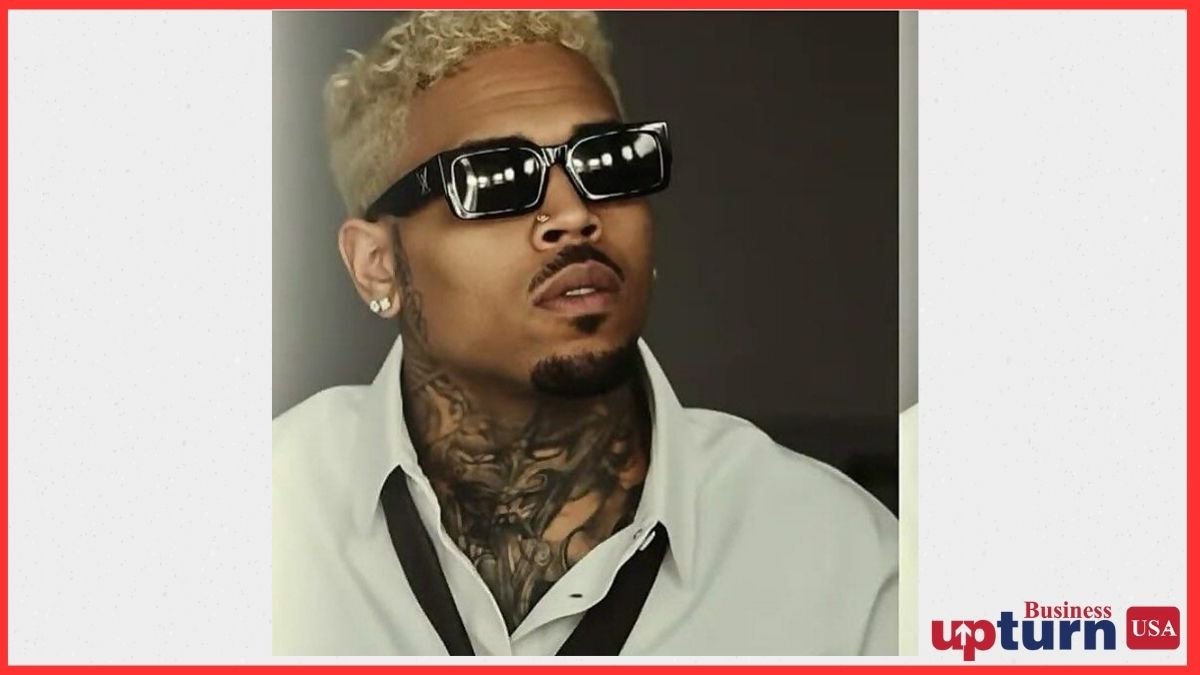
Chris Brown is more than a global music sensation; he is a finely tuned business ecosystem. Over nearly two decades in the entertainment industry, Brown has transformed his artistic influence into an intricate network of revenue streams. For fans and industry observers alike, Chris Brown’s career serves as a blueprint for how modern artists leverage digital culture, global touring, brand partnerships, and intellectual property to secure long-term wealth. This article dives deep into his multi-faceted business model, revealing the strategic moves that have made him one of the most commercially savvy figures in contemporary music.
Chris Brown’s Social Reach and Digital Influence
Chris Brown commands a staggering digital presence, with his verified Instagram account boasting over 57 million followers. This platform has become a central pillar of his global brand, allowing him to connect directly with fans while promoting music, merchandise, and collaborative projects. His social media activity blends performance clips, behind-the-scenes insights, and curated lifestyle content, creating an authentic and relatable digital persona that attracts both audiences and business partners.
The scale of his reach also positions him as a highly attractive collaborator for brands seeking access to a young, engaged, and globally dispersed audience. Brown’s social media presence acts not only as a marketing channel but also as a measurable asset, translating into monetizable opportunities that go beyond conventional music sales. His ability to generate engagement directly impacts his negotiating power for brand deals and sponsorship agreements.
How Global Influence Converts to Revenue Streams
Brown’s digital influence is intricately tied to revenue generation across multiple fronts. Each post, story, or video serves as a platform for promotional campaigns that can be quantified in real-time. Brands recognize this and often structure partnerships that reward engagement metrics, making Brown’s Instagram, TikTok, and Twitter feeds a veritable revenue engine.
Furthermore, the global reach of his online presence allows him to cross-promote music, tours, and product lines efficiently. Fans worldwide engage with content simultaneously, magnifying the impact of every release or collaboration. This seamless fusion of social influence and commercial strategy exemplifies the modern entertainment economy, where visibility and engagement directly correlate to financial success.
The Multi-Layered Entertainment Business Engine
Chris Brown’s business model extends far beyond streaming numbers. His entertainment ecosystem is multi-layered, blending traditional revenue streams with digital-first strategies that maximize audience engagement. Music sales, touring, licensing, and brand partnerships all intertwine to create a robust financial structure that is both adaptable and scalable.
By strategically diversifying his income sources, Brown mitigates risk while capitalizing on emerging opportunities. This layered approach ensures that even fluctuations in one revenue segment—like streaming—do not jeopardize his overall financial health. Observing his career offers insight into how a modern artist can leverage multiple complementary revenue streams without diluting brand integrity.
Touring Economics and Performance-Driven Income
Touring remains a cornerstone of Chris Brown’s income. Concert tours generate substantial revenue not only from ticket sales but also from VIP experiences, merchandise, and live-streamed events. The economics of his tours reflect meticulous planning, balancing venue size, ticket pricing, and geographic demand to optimize profitability.
Beyond direct ticket revenue, tours create opportunities for sponsorships and co-branded activations. Companies often sponsor specific tour stops or segments, enhancing visibility and integrating marketing campaigns with live performances. Brown’s touring strategy demonstrates how live experiences serve as both a financial engine and a powerful tool for sustaining fan engagement worldwide.
Royalties, Rights, and Long-Term Ownership Strategy
Ownership of intellectual property is a defining feature of Chris Brown’s business model. Songwriting credits, production partnerships, and catalog rights ensure that revenue continues long after a track’s initial release. Royalties from streaming, radio play, and synchronization in media contribute a steady, predictable income stream.
Brown’s approach to rights management reflects a forward-thinking understanding of long-term financial security. By maintaining control over as much of his music as possible, he ensures that his work generates recurring revenue. This model aligns with best practices in entertainment economics, where content ownership translates to both financial resilience and bargaining power.
Intellectual Property as a Revenue Asset
Beyond traditional royalties, Chris Brown leverages his intellectual property in innovative ways. Licensing his music for commercials, video games, or film projects transforms creative output into lucrative assets. Each licensing agreement can be structured to maximize revenue while expanding brand exposure in untapped markets.
Moreover, Brown has explored collaborative ventures with other artists and producers, creating derivative works that extend the earning potential of original tracks. This proactive approach to intellectual property underscores how strategic content ownership functions as a scalable, long-term business tool, particularly in the era of global streaming platforms.
Fashion, Lifestyle, and Brand Licensing Ventures
Chris Brown has successfully extended his influence into fashion, lifestyle, and merchandising. Collaborations with sneaker brands, apparel lines, and lifestyle products amplify his visibility while creating diversified income streams. These ventures leverage his persona as a trendsetter and cultural influencer, appealing to fans who aspire to emulate his style.
Brand licensing agreements allow Brown to monetize his image without the operational burden of running traditional retail operations. This strategy enables global scalability, as products featuring his branding can be marketed across continents through partners and distributors, generating revenue without significant overhead.
Global Merchandising as a Scalable Business Arm
Merchandising represents a core scalable component of Chris Brown’s business model. Tour merchandise, limited-edition drops, and exclusive online collections capitalize on fan loyalty and digital marketing. These offerings often feature cross-promotional elements tied to music releases or collaborations, enhancing their commercial impact.
The scalability of merchandising lies in digital-first strategies that bypass traditional retail channels. Online stores and social media promotions facilitate global reach, ensuring that fans from diverse regions can access exclusive products. By integrating merchandising into a broader business ecosystem, Brown maximizes profitability while reinforcing brand identity.
Social Media as a Strategic Business Platform
Chris Brown uses social media as more than a communication channel—it is a strategic business platform. Regular content posting, interactive fan engagements, and live streaming cultivate audience loyalty while serving as a measurable marketing tool for external partners.
Social media also functions as a testing ground for product launches, music releases, and brand collaborations. By monitoring engagement metrics, Brown can adjust strategies in real-time, optimizing both reach and revenue potential. This data-driven approach exemplifies the synergy between entertainment and commerce in the digital age.
Monetization Paths in Influencer Culture
Influencer culture enables Chris Brown to monetize his social presence directly. Sponsored posts, affiliate partnerships, and collaborative promotions generate revenue proportional to engagement and reach. These monetization paths are often integrated seamlessly with his broader entertainment ventures, creating a cohesive ecosystem that maximizes financial returns.
Furthermore, social media campaigns reinforce the branding of his other income streams. For example, merchandise drops promoted through Instagram can lead to immediate sales, while music teasers can drive streaming and ticket purchases. The convergence of digital influence and traditional business models illustrates a highly sophisticated approach to celebrity entrepreneurship.
A Unique Viewer-Perspective Breakdown of His Business Strategy
From a viewer perspective, Chris Brown’s business model reads like a masterclass in modern entertainment economics. Fans witness an artist whose output spans music, fashion, live experiences, and digital content, yet each component is carefully aligned to reinforce the others. This holistic approach not only maximizes revenue but also sustains long-term engagement with a global audience.
Observing Brown’s strategy reveals the intentionality behind each move. Social media presence supports touring; touring promotes merchandise; merchandise amplifies brand partnerships. This interconnected system is designed to create multiple touchpoints for revenue generation while maintaining brand cohesion, demonstrating how an entertainment icon can operate as a multi-dimensional business entity.
A Surprising Angle — An Untapped or Under-Discussed Business Dynamic Nobody Talks About
One under-discussed aspect of Chris Brown’s business model is the monetization of fan-generated content and remixes. By encouraging covers, dance challenges, and creative interpretations of his work, Brown taps into an organic marketing engine that simultaneously promotes his music and identifies potential new revenue streams. While these fan-driven initiatives may appear casual, they create measurable spikes in streaming, engagement, and brand visibility.
Additionally, Brown has begun leveraging emerging digital platforms that focus on experiential engagement, such as VR concerts and interactive music apps. While still niche, these channels represent untapped monetization opportunities that could redefine the economics of celebrity influence. By experimenting with these formats early, Brown positions himself at the forefront of a potentially lucrative frontier in entertainment business strategy.
This article has been curated for informational and educational purposes related to public figures, celebrity business models, and the global entertainment economy. Business Upturn makes no representations or warranties regarding the accuracy, completeness, or reliability of the information provided
