
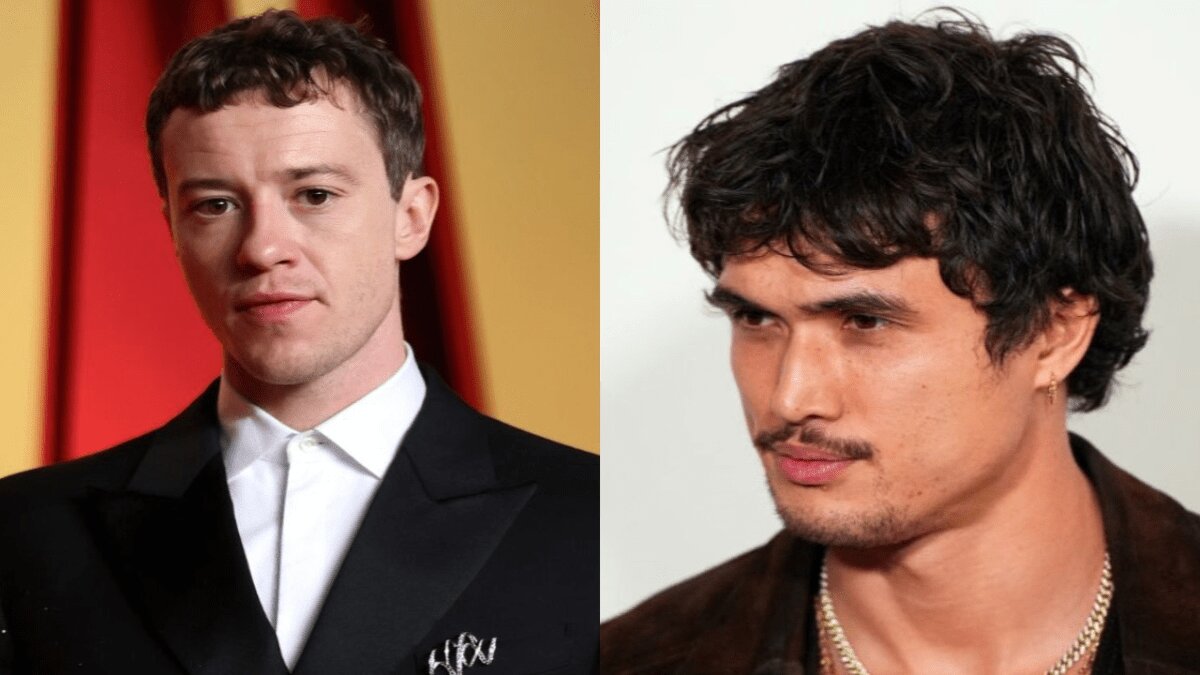
The making of Warfare proved to be more than just a typical acting job for Joseph Quinn and Charles Melton. The film, based on a 2006 Navy SEAL evacuation mission in Ramadi, Iraq, demanded total immersion from its cast, with Quinn and Melton deeply involved in the physical and emotional aspects of the story. Directed by Ray Mendoza, a retired SEAL, and Alex Garland, Warfare was about accurately recreating a life-or-death rescue operation, blending the real experiences of veterans with intense, raw performances.
Quinn plays Sam, a character based on a real Navy SEAL, and Melton’s connection to the project was personal, given his father’s long service in the Army. The actors were put through an intense three-week boot camp and lived together under military-like conditions to bond as a team, something Quinn said was essential for portraying the brotherhood that the SEALs share. This close-knit approach helped the cast deeply connect to the story and each other, ensuring their performances felt authentic.
The emotional toll of the film was significant. Quinn and Cosmo Jarvis, who portrays Elliott Miller, the real-life SEAL who was part of the mission, relived intense battle trauma scenes with unwavering intensity, even when the cameras weren’t rolling. Melton described their commitment as “something indescribable,” noting the real pain and anguish the actors conveyed.
Several SEALs, including Miller, visited the London set, offering their firsthand accounts and emotional support. Their presence was a crucial element in helping the actors understand the true gravity of the mission and the sacrifices made by servicemen. Mendoza, who co-directed, referred to the mission as “the death of his youth,” underscoring the deeply personal connection the veterans had to the story.
For Quinn and Melton, Warfare was not just a project but a transformative experience that gave them a new understanding of the sacrifices made by soldiers. The film, which opened in theaters on April 11, is a testament to the power of art to bridge emotional gaps, whether between soldiers and their families or between the actors and the real-life heroes they portrayed.
