

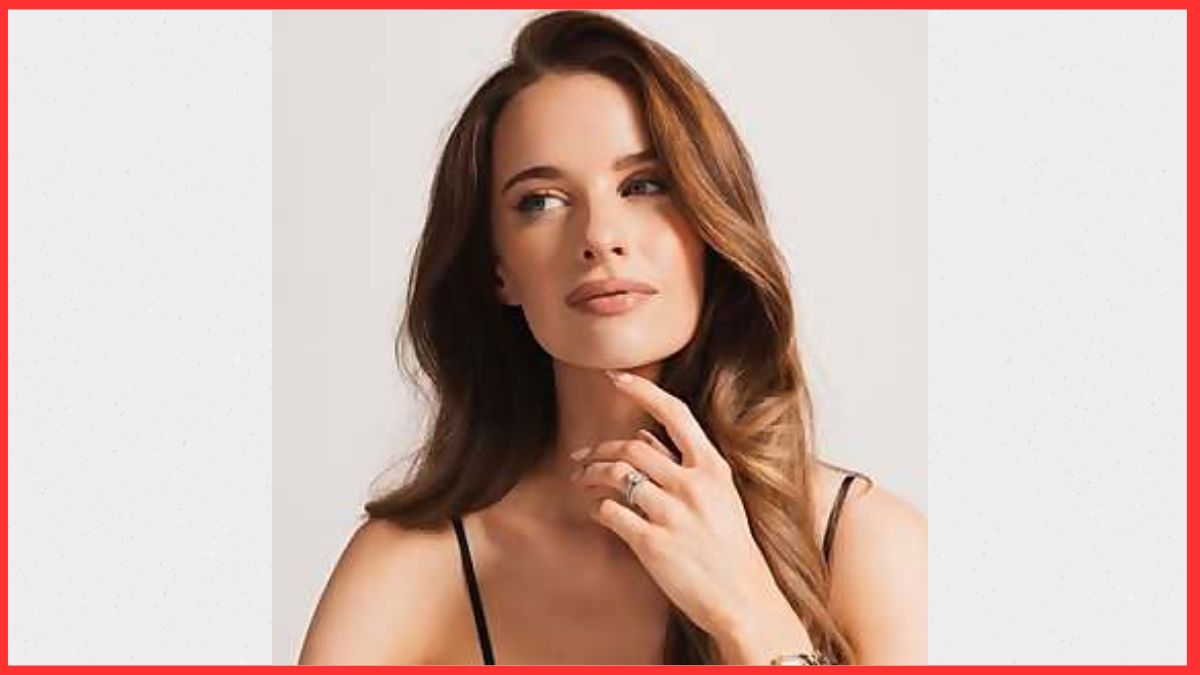
Victoria Magrath, widely recognized as the founder of the luxury fashion platform Inthefrow, has transformed her personal brand into a structured, revenue-generating business with global reach. What began as a doctoral student’s blog has evolved into a diversified media and commerce operation, driven by strategic partnerships, premium content production, and a strong foothold in the U.S. luxury market.
Her business model reflects a hybrid of media publishing, influencer marketing, and direct-to-consumer monetization—aligned closely with how U.S.-based creators scale digital brands into full-fledged enterprises.
Core Revenue Streams Powering Inthefrow
Sponsored Brand Partnerships
A primary income driver for Victoria Magrath is high-value brand collaborations. She partners with established luxury houses such as Dior, Chanel, and Louis Vuitton—brands that allocate significant marketing budgets to influencer campaigns targeting affluent U.S. consumers. These collaborations often include multi-platform campaigns spanning Instagram, YouTube, and editorial blog content.
In the U.S. influencer economy, top-tier luxury creators can command five-figure fees per campaign. Magrath’s consistent partnerships with globally recognized brands position her within this premium pricing bracket, particularly for integrated campaigns that include video production and long-form storytelling.
Affiliate Marketing and Commerce Integration
Another measurable revenue stream comes from affiliate marketing. Through platforms like RewardStyle (now LTK), Magrath earns commission on product sales generated via tracked links shared across her digital channels. This model is especially effective in the U.S., where consumers are highly responsive to curated shopping recommendations.
Her website Inthefrow.com functions as a commerce-enabled editorial hub, where product placements are seamlessly integrated into fashion guides and seasonal trend reports. Conversion-driven content—such as “what to wear” edits and luxury investment pieces—supports steady affiliate income.
YouTube Monetization and Ad Revenue
Victoria Magrath’s YouTube channel contributes an additional income layer through Google AdSense revenue. With a content focus on luxury hauls, travel experiences, and styling advice, her videos attract a global audience, including a significant U.S. viewer base.
YouTube earnings are driven by CPM (cost per thousand impressions), which tends to be higher for luxury and fashion niches—often ranging between $8 and $20 in the U.S. market. Long-form video content also increases watch time, enhancing overall ad revenue potential.
Premium Brand Positioning and Long-Term Monetization
Product Collaborations and Capsule Collections
Magrath extends her monetization strategy through limited-edition product collaborations with fashion and beauty brands. These capsule collections allow her to participate in revenue-sharing agreements while strengthening brand equity. In the U.S., such collaborations often generate rapid sell-outs due to built-in audience trust and exclusivity.
Owned Media and SEO-Driven Traffic
Unlike many influencers who rely solely on social platforms, Magrath maintains strong ownership of her audience through her website. Inthefrow.com is optimized for search visibility, attracting organic traffic from users searching for luxury fashion advice, travel recommendations, and product reviews.
This SEO-driven approach aligns with U.S. digital publishing models, where evergreen content continues to generate traffic—and revenue—over time. Monetization is further enhanced through display advertising and affiliate integrations embedded within high-performing pages.
A Scalable Luxury Influence Business Model
Victoria Magrath’s income generation strategy demonstrates how luxury influencers can evolve into multi-channel business operators. By combining brand partnerships, affiliate commerce, ad revenue, and owned media, she has built a resilient and scalable business framework.
From a U.S. market perspective, her model reflects the future of influencer entrepreneurship—where content creators function not just as promoters, but as media brands with diversified, data-driven revenue streams.