
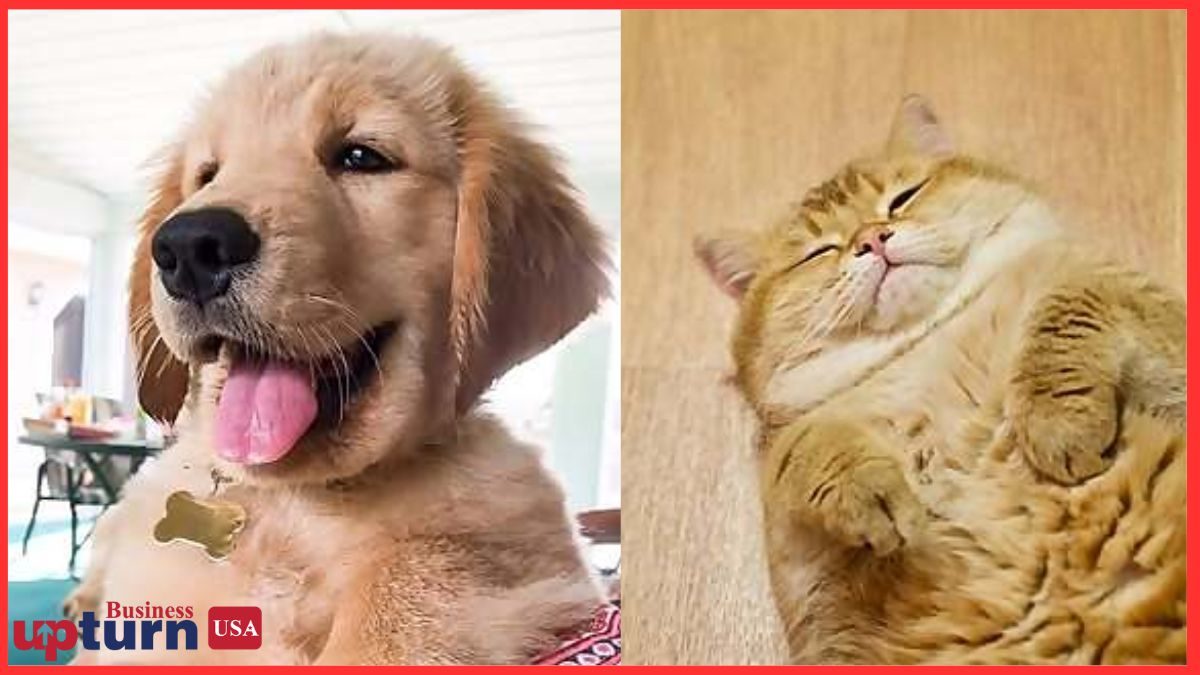
The U.S. has long been the world’s largest influencer market, but in recent years, it’s not just humans making waves. From YouTube to Instagram, pet influencers are shaping a billion-dollar digital economy driven by emotional engagement and brand trust. Among the stars leading this movement are Tucker Budzyn, the charismatic Golden Retriever, and Hosico Cat, the serene and photogenic Scottish Straight from Russia. Their reach extends far beyond cute videos and memes – each has built a scalable, global brand rooted in emotional storytelling, digital merchandising, and strategic content monetization.
This article dives deep into the Tucker Budzyn business model and Hosico Cat income generation approach, uncovering how these two furry icons have turned digital cuteness into sustainable business ecosystems. Let’s explore their monetization methods, brand strategies, and how they’ve captured the hearts (and wallets) of the U.S. audience.
Tucker Budzyn: From Family Pet to Global Canine Brand
When Tucker Budzyn first appeared on YouTube in 2018, he was simply a playful Golden Retriever sharing moments with his owner, Linda. But within a few years, Tucker evolved into a multimillion-dollar digital brand. His wholesome humor, expressive face, and relatable family dynamics turned him into one of America’s most beloved pets.
Revenue Streams Behind Tucker Budzyn’s Success
At the heart of the Tucker Budzyn business model is multi-platform diversification. Tucker dominates on YouTube, TikTok, and Instagram, generating significant ad-based income. His YouTube channel, with millions of subscribers, earns through AdSense revenue and sponsored integrations from U.S.-based pet and lifestyle brands. Companies like Bissell, PetSmart, and Amazon-affiliated pet product sellers have featured Tucker in campaigns aimed at family-oriented American audiences.
Tucker’s sponsored collaborations are carefully curated – the team avoids oversaturation, maintaining a trust-driven approach. This focus on authenticity is vital in the pet influencer marketing USA landscape, where genuine audience connection often translates into higher conversion rates for brand partners.

Merchandise and Licensing: Expanding Tucker’s Digital Pawprint
Another lucrative pillar in Tucker’s empire is Tucker Budzyn’s merchandise line, featuring everything from apparel to mugs and calendars. What sets this apart from generic influencer merch is the emotional branding: buyers feel part of the “Tucker family.” These direct-to-consumer products are sold through Shopify-powered e-commerce channels targeting primarily U.S. consumers.
Beyond physical products, Tucker also monetizes through digital content licensing. Viral clips featuring Tucker have been featured in international TV shows and digital ads. By maintaining ownership over his media content, Tucker’s team ensures ongoing passive income streams.
Hosico Cat: The Zen Master of Digital Monetization
If Tucker Budzyn represents the lively, family-friendly side of pet influence, Hosico Cat embodies calm luxury. Hailing from Russia but adored worldwide, Hosico has mastered the art of visual storytelling. His brand revolves around softness, coziness, and aesthetic minimalism – qualities that deeply resonate with U.S. audiences craving comfort-driven digital experiences.
Hosico Cat’s Income Generation Strategy
The Hosico Cat income generation model is anchored in content licensing, merchandise, and strategic collaborations. With millions of followers across Instagram, YouTube, and TikTok, Hosico commands attention through visually polished, calming videos. This visual consistency attracts high-end lifestyle and home decor brands seeking subtle, non-intrusive marketing.
Unlike Tucker’s direct humor-driven content, Hosico’s monetization relies on aesthetic value. U.S.-based companies in the wellness and lifestyle sectors collaborate with Hosico for campaigns centered on calmness and positivity. His soft visual branding translates perfectly into products like plush toys, stationery, and digital wallpapers sold via his online store.
Licensing, Merchandising, and Cross-Platform Reach
Hosico’s team has effectively turned his brand into a licensing powerhouse. His imagery appears in puzzles, calendars, and social stickers, many distributed through U.S.-based retailers and Amazon listings. Licensing deals allow Hosico’s content to live beyond social media – creating sustainable revenue without constant new uploads.
Hosico also diversifies through YouTube pet influencer earnings. His monetized content, known for high watch time and replay value, capitalizes on the algorithm’s preference for long engagement. Additionally, his TikTok account reaches younger audiences in the U.S., building brand equity with Gen Z pet lovers who may later become consumers of Hosico-branded products.
Comparing Their Business Blueprints: Tucker Budzyn vs Hosico Cat
Both Tucker Budzyn and Hosico Cat have transcended viral fame to build structured, multi-channel businesses. However, their revenue architectures and audience engagement models differ significantly.
Audience Demographics and Brand Positioning
Tucker’s U.S.-based audience primarily consists of families, young adults, and dog owners who relate to his playful, wholesome videos. His brand tone mirrors the suburban American household – filled with laughter, mild mischief, and relatability. This connection translates directly into high engagement rates, making Tucker an ideal partner for pet food, cleaning, and lifestyle brands targeting middle-income American families.
Hosico’s followers, on the other hand, skew more toward young professionals, design enthusiasts, and wellness-oriented individuals. His brand’s calm and aesthetic nature fits seamlessly into the modern U.S. influencer marketing ecosystem, which values mindfulness and minimalist content. For brands, Hosico represents aspirational calmness – a contrast to Tucker’s energetic appeal.
Monetization Strategies and U.S. Market Adaptation
Tucker Budzyn’s revenue model thrives on audience participation and brand storytelling. The owner frequently appears in videos, strengthening the emotional bond with fans. This blend of narrative-driven content and interactive humor aligns well with U.S. ad formats and monetization programs.
Hosico, conversely, leans on visual branding and licensing rather than direct audience dialogue. This approach allows for broader scalability across global audiences while still benefiting from U.S. ad spend, especially on visual-heavy platforms like Instagram and YouTube Shorts.
While Tucker’s team has leaned into the influencer-as-family model, Hosico’s success proves that minimalist, aesthetics-based branding can be equally powerful in social media pet influencer business development.
Behind the Scenes: Managing Pet Content as Full-Time Businesses
Both Tucker Budzyn and Hosico Cat operate like structured media brands. Tucker’s team includes content editors, merch managers, and brand partnership coordinators, all ensuring consistency and compliance with U.S. influencer marketing guidelines. Every post undergoes scrutiny for brand alignment and audience resonance.
Hosico’s management team, similarly, prioritizes global licensing and intellectual property protection. They collaborate with designers, toy manufacturers, and e-commerce distributors to expand Hosico’s merchandise across U.S. online platforms. This strategic operational discipline ensures financial longevity even as social algorithms fluctuate.
The Role of Emotional Branding in Pet Influencer Marketing
In pet influencer marketing USA, emotional branding reigns supreme. Tucker’s videos make viewers laugh and empathize, while Hosico’s visuals evoke peace and comfort. This emotional connection is the secret currency that drives their revenue models.
Brands partner with these influencers not only for exposure but to borrow emotional credibility. When Tucker or Hosico endorses a product, it feels less like advertising and more like a trusted recommendation from a furry friend. This emotional authenticity fuels both affiliate marketing performance and long-term brand loyalty.
The Impact of Algorithmic Adaptation
One crucial factor in sustaining digital success is algorithmic adaptability. Tucker Budzyn’s team actively experiments with short-form content, live Q&As, and meme-based captions to maintain visibility across evolving U.S. platforms. Their agility ensures that Tucker remains relevant despite algorithmic volatility.
Hosico Cat’s content strategy, by contrast, capitalizes on evergreen visual appeal. His content rarely depends on trending audio or rapid formats, giving his team freedom from the typical influencer burnout cycle. This longevity-based strategy highlights the importance of timeless content in influencer monetization.
How U.S. Audiences Shape Their Earnings
U.S. followers are among the most commercially valuable audiences in global influencer marketing. High CPM (cost-per-mille) rates and strong consumer purchasing power make American audiences central to both Tucker’s and Hosico’s earnings.
Tucker’s humor resonates deeply with U.S. family culture, driving higher YouTube ad rates and e-commerce conversions. Hosico’s calm aesthetic appeals to U.S. urban professionals seeking digital comfort, resulting in robust merchandise sales and ad engagement.
The Future of Pet Influencer Economics: Tucker Budzyn vs Hosico Cat
As pet influencer culture matures, both Tucker and Hosico demonstrate the evolution from viral novelty to structured entrepreneurship. Tucker’s brand is expanding toward multimedia storytelling, while Hosico’s empire thrives through digital licensing and merchandise scalability.
In both cases, pet content monetization strategies are shifting from short-term viral trends to long-term brand ecosystems. Their adaptability, audience trust, and operational discipline make them prototypes for the next generation of digital pet entrepreneurship.
This article is intended solely for informational and editorial purposes. It does not constitute endorsement or promotion of any artificial intelligence technology. Business Upturn makes no representations or warranties regarding the accuracy, completeness, or reliability of the information provided.