

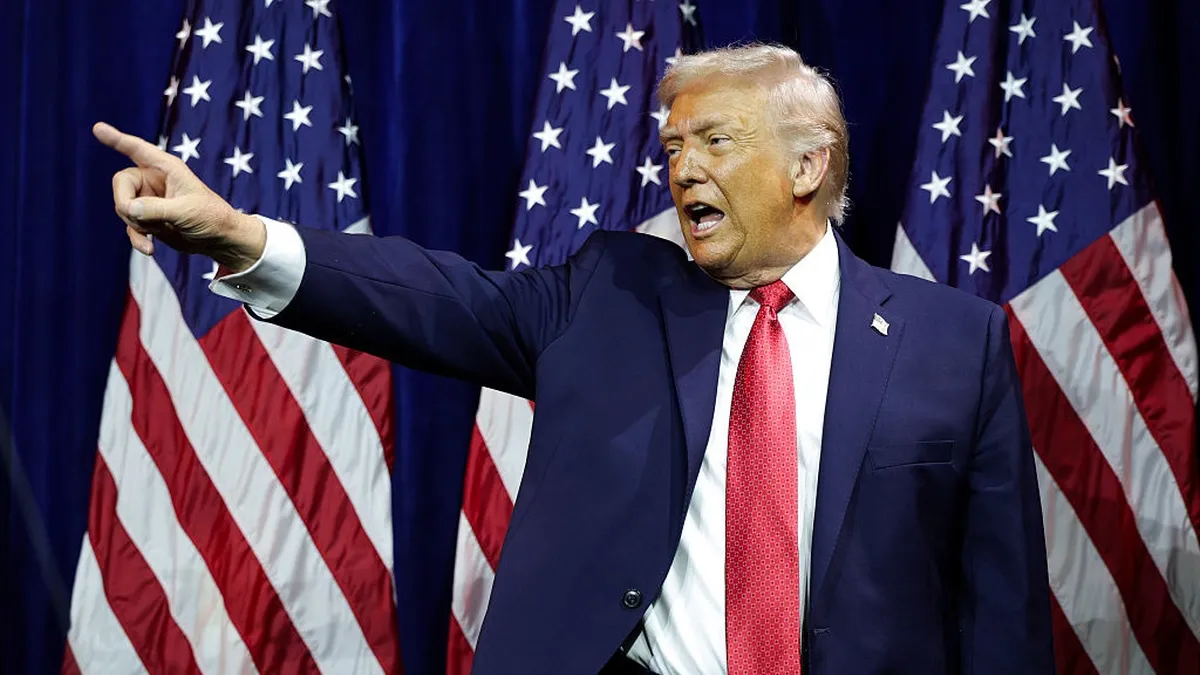
In a startling revelation that has blurred the lines between high-stakes diplomacy and personal grievance, President Donald Trump recently suggested that Nicolás Maduro’s attempt to mimic his signature dance moves was a final straw for his administration. Speaking to Republican lawmakers at the newly rebranded Trump-Kennedy Centre in Washington, the President claimed that Maduro’s public performances were viewed as a deliberate mockery of the United States. This perceived disrespect, occurring as U.S. military pressure mounted, reportedly emboldened the White House to move forward with the mission that ended in the Venezuelan leader’s detention.
The mockery behind Maduro’s capture and Operation Absolute Resolve
The Trump administration’s decision to launch Operation Absolute Resolve was influenced by more than just geopolitical strategy; it was fueled by what officials saw as a provocative “unpresidential” performance. Maduro had been frequently seen dancing on stage to a techno remix of his slogan, “No War, Yes Peace,” a move the U.S. team interpreted as a taunt against American authority. Trump noted that while Maduro’s mentor, Hugo Chávez, was known for dancing at rallies, Maduro’s specific style appeared to be a direct imitation of Trump’s own rally movements. For an administration already at a tipping point over narcotrafficking allegations, this theatrical defiance was a costly mistake that signaled Maduro’s indifference to U.S. demands.
Donald Trump on Maduro’s ‘unpresidential’ performance
During his address, President Trump took the opportunity to critique Maduro’s skills, stating that the former dictator “tries to imitate my dance a little bit.” Trump, who famously sways to YMCA at his own events, seemed both amused and insulted by the imitation. He shared that even First Lady Melania Trump has weighed in on the optics of presidential dancing, often telling him that such displays are “unpresidential.” Despite her preference for a more traditional decorum, Trump insisted that his supporters “go crazy” for his moves, contrasting his own popularity with Maduro’s failed attempt to project strength through performance.
Violent allegations and the Caracas torture chamber
The rhetoric took a much darker turn as Trump transitioned from dancing to the “violent” nature of the Maduro regime. He accused the captured leader of being responsible for the deaths of millions and claimed that U.S. forces are currently shutting down a secret torture chamber located in the heart of Caracas. These serious allegations come on the heels of Maduro’s recent court appearance in Manhattan, where he pleaded not guilty to narcotics and terrorism charges. The President’s comments aim to justify the lethal raid, which resulted in dozens of casualties—by framing Maduro not just as a political rival, but as a dangerous criminal whose regime was defined by brutality.
Trump’s new world order and the control of Venezuelan oil
As the dust settles on the military intervention, the Trump administration has made its next moves clear: the United States intends to “run” Venezuela during its transition period. Central to this plan is the control of Venezuelan oil, with the U.S. already moving to seize tankers and redirect exports. This strategy has sparked international outrage, particularly from China, which previously relied on those exports. Critics argue that Trump is establishing a “New World Order” where powerful nations can abduct foreign leaders and seize resources under the guise of restoring order. With Vice President Delcy Rodríguez now serving as acting president in a fractured Caracas, the world remains divided on whether this intervention was a victory for democracy or a violation of international sovereignty.