
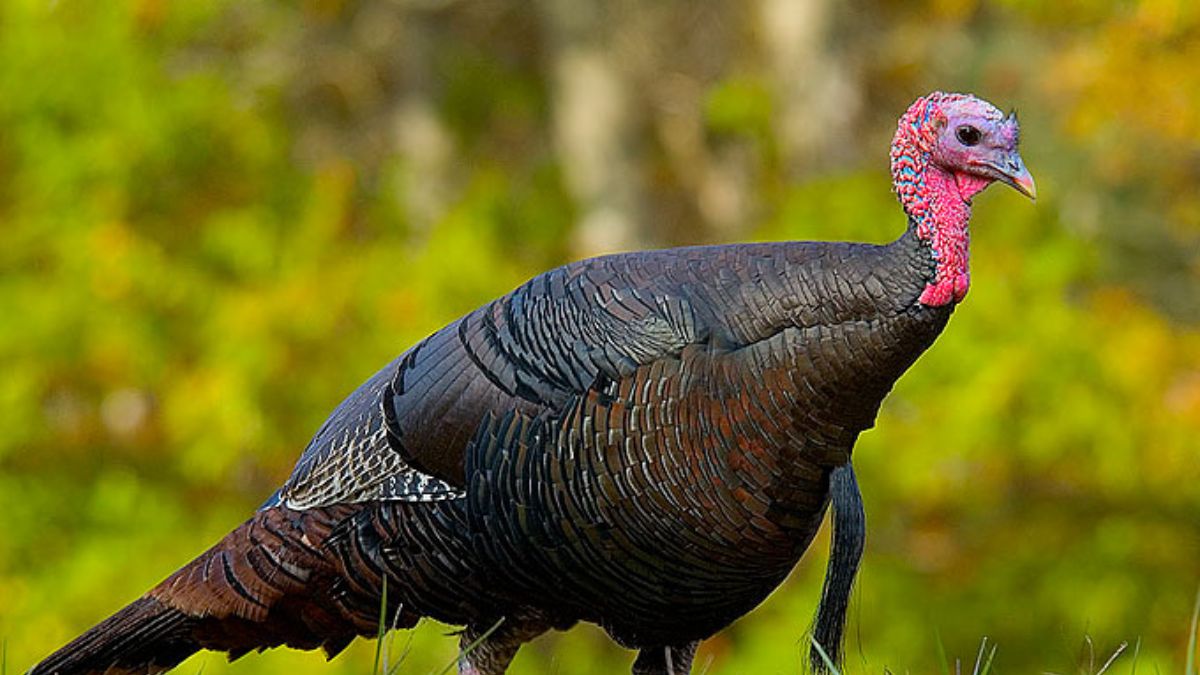
Wild turkeys weren’t always the Thanksgiving staple we think of today. In fact, they nearly disappeared in the late 1800s, dropping to just a few thousand birds across North America. Today, there are around 7 million wild turkeys in the U.S., plus more in Canada and Mexico. The comeback was thanks to a mix of creativity, careful management, and some unusual trades.
States often swapped turkeys for other animals to help restore wildlife. Oklahoma traded walleye and prairie chickens for turkeys from Arkansas and Missouri. Colorado sent mountain goats to Idaho in exchange for turkeys. Ontario in Canada got 274 turkeys from several U.S. states in return for moose, river otters, and partridge. Patt Dorsey, a conservation director with the National Wild Turkey Federation, said wildlife biologists are always thinking creatively when it comes to saving species.
West Virginia, in particular, had plenty of turkeys to share. In 1969, it sent 26 turkeys to New Hampshire in exchange for 25 fishers, a member of the weasel family prized for its fur. Later trades involved otters and bobwhite quail. Holly Morris, a wildlife project leader in West Virginia, said turkeys were like “currency” for helping other states restore their own wildlife populations.
Wild turkeys had been common across the U.S. until the mid-1800s. Clearing forests and unregulated hunting made their numbers crash. Early restoration in the 1940s and 50s tried raising turkeys on farms, but those birds didn’t survive well in the wild. The real breakthrough came when conservationists captured wild turkeys and relocated them to other states.
New Hampshire hadn’t seen wild turkeys for over 100 years when it got birds from West Virginia. That first group didn’t survive a harsh winter, but a later flock from New York in 1975 thrived. Biologists moved birds around the state for decades, and now the population is around 40,000. Dan Ellingwood, a New Hampshire Fish and Game biologist, said the success exceeded expectations. Turkeys adapted to changes in winter and the landscape, and their population really took off.
Wild turkeys play an important role in the ecosystem as both predators and prey. They also attract hunters, but the restoration work was equally about protecting a native species. Dorsey noted that efforts to restore turkeys also helped bring back other wildlife populations, making the program valuable for broader conservation efforts.
