
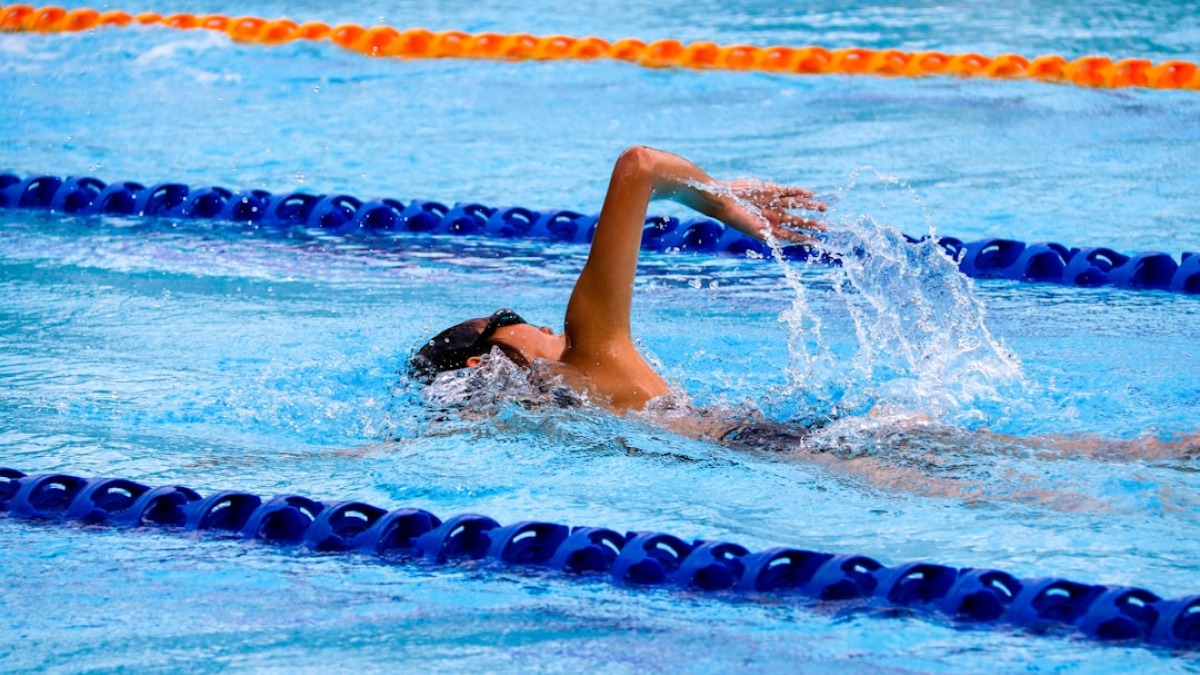
December is a busy month for swimmers across the United States, as indoor swim meets become a key part of the winter sports calendar. Maintaining peak performance during colder months and shorter days requires strategic preparation. Here’s a guide to help swimmers excel during December competitions.
Maintain a consistent training schedule
Indoor swim meets demand both speed and endurance. Swimmers should maintain regular practice sessions focusing on stroke technique, turns, and starts. Incorporating interval training in the pool can enhance cardiovascular endurance and simulate race conditions.
Strength and conditioning off the pool deck, including core work, resistance training, and flexibility exercises, ensures swimmers maintain full-body strength. This balance helps with explosive power for starts and turns, which are critical in competitive indoor swimming.
Optimise nutrition and hydration
Winter training often leads to a lower perceived thirst, but hydration remains vital. Drinking water throughout the day and electrolyte drinks during practice helps prevent fatigue and supports recovery.
Nutrition should focus on balanced meals with lean protein for muscle repair, complex carbohydrates for sustained energy, and healthy fats to support overall health. Proper fuel ensures swimmers can handle early-morning practices or consecutive race days without energy dips.
Focus on mental preparation
Competitive swimming requires mental toughness, especially during multiple-day December meets. Swimmers should incorporate visualisation techniques, mentally rehearsing their race strategy and turns.
Pre-race routines, such as controlled breathing exercises and warm-up rituals, help maintain focus and reduce anxiety. Reviewing past races to analyse strengths and areas for improvement can also enhance confidence.
Equipment and pool readiness
Ensuring swim gear is in top condition is essential. Goggles, caps, and suits should fit properly and be race-ready. Swimmers should familiarise themselves with the meet pool, if possible, to understand lane conditions, lighting, and starting blocks.
Prioritise recovery
Winter competitions can be demanding, making rest and recovery crucial. Adequate sleep, stretching routines, and light active recovery sessions maintain energy levels and prevent overuse injuries. Post-practice nutrition and hydration also accelerate muscle recovery.
