
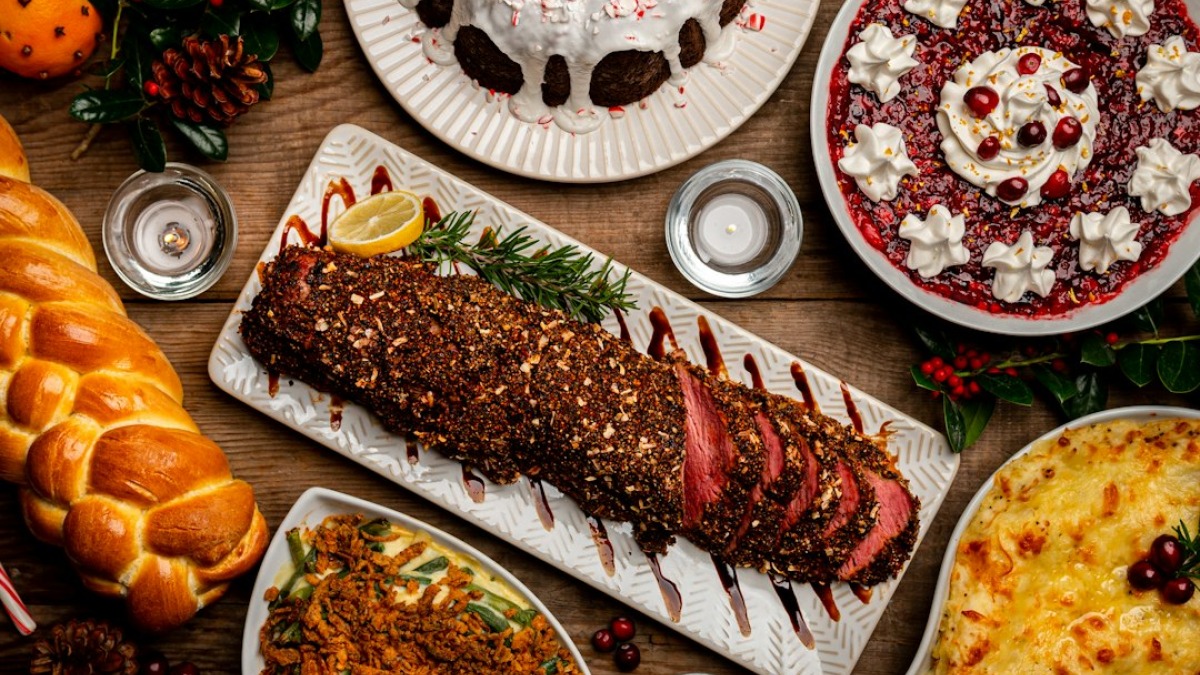
Christmas meal preparation timelines
Christmas meals are a central part of holiday celebrations, and careful planning ensures they are enjoyable, stress-free, and memorable. Establishing a clear Christmas meal preparation timeline allows families across the United States to coordinate cooking, baking, and serving efficiently. From early planning to final touches on the day, organised timelines help households deliver delicious meals while keeping the holiday festive and relaxed.
Weeks before Christmas: menu planning and shopping
Two to four weeks before Christmas, families should plan menus and shop for non-perishable ingredients. Deciding on main courses, side dishes, desserts, and beverages early allows for easier grocery shopping and recipe preparation. Families can also make lists of special dietary needs or preferences to ensure everyone enjoys the meal. This early planning reduces last-minute stress and ensures ingredients are readily available.
One week before: prep and batch cooking
A week before Christmas, families can begin prepping ingredients and cooking dishes that can be stored. For example, sauces, marinades, cookie dough, and certain baked goods can be prepared in advance. Chopping vegetables, measuring spices, and organising utensils are also helpful. Involving children in simple tasks like stirring or decorating treats can make the preparation more engaging and festive.
Two to three days before: final shopping and décor
In the final days leading up to Christmas, families complete last-minute shopping for perishable items such as vegetables, fresh meats, and dairy products. This is also the time to organise serving dishes, utensils, and table décor. Many households set up the dining area or prepare a table plan to ensure smooth serving. Prepping side dishes or marinating meats in advance helps save time on the actual holiday.
Christmas Eve: baking and final preparation
Christmas Eve is ideal for baking bread, pies, or desserts that benefit from overnight cooling or setting. Families can also assemble appetizer platters, set out drinks, or prepare make-ahead dishes. This timeline ensures that Christmas Day cooking focuses mainly on main courses and reheating prepared items, reducing stress and allowing for quality family time.
Christmas morning: final cooking and serving
On Christmas Day, the focus shifts to cooking main dishes and reheating prepared items. Starting early with oven scheduling, stove coordination, and side dish assembly ensures that meals are ready on time. Families can also involve children in small tasks like garnishing plates or setting the table. A well-organised timeline guarantees that Christmas meals are served fresh, hot, and delicious.
Post-meal routines and leftovers
After the meal, families can follow a simple cleanup and storage routine for leftovers. Organising containers, labeling dishes, and storing meals safely makes it easier to enjoy Christmas treats over the following days. Quick post-meal routines also allow families to relax, enjoy each other’s company, and reflect on the festive day.
Ensuring a stress-free Christmas meal
By following structured meal preparation timelines, families can enjoy a smooth, organised, and joyful Christmas celebration. Early planning, strategic prep, and careful coordination make cooking less stressful and more enjoyable, allowing households to focus on traditions, togetherness, and the festive spirit. A well-timed approach ensures that the Christmas meal is a highlight of the holiday season.
