
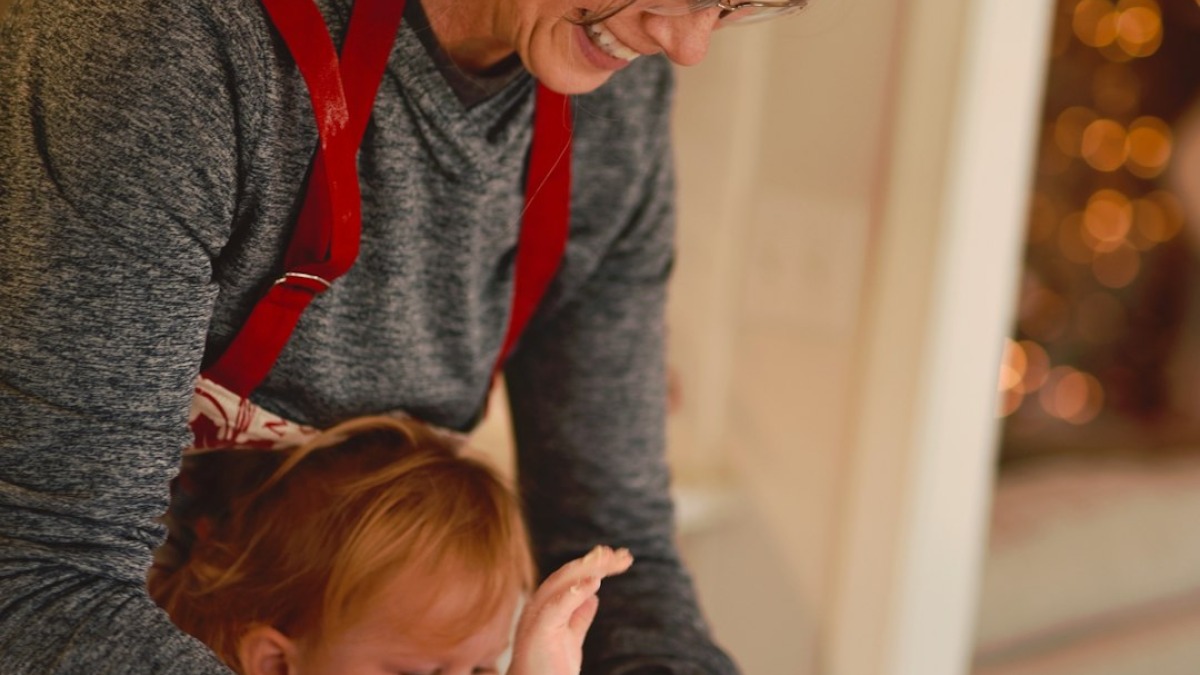
Ways to include elderly family members in Christmas celebrations
Christmas is a season for togetherness, and ensuring that elderly family members feel included is a meaningful way to strengthen family bonds. As families gather, creating an environment where older relatives can actively participate helps foster joy, respect, and connection. From shared activities to thoughtful gestures, there are numerous ways to make the holiday season inclusive for elderly family members.
Plan activities that accommodate mobility and comfort
Many elderly individuals may have limited mobility or require a slower pace. Planning activities that are accessible and comfortable is key. Decorating the house together, wrapping gifts, or arranging holiday crafts at a seated table can involve everyone without causing strain. Providing comfortable seating near communal areas ensures they can watch or participate in activities without feeling excluded.
Involve them in storytelling and family traditions
Elderly relatives often have rich stories and memories of past Christmases. Inviting them to share these stories during family gatherings can become a cherished tradition, bridging generations. Encouraging older family members to lead holiday readings, recite poems, or guide traditional rituals allows them to feel valued and actively contribute to the festive spirit.
Include them in meal planning and cooking
Meals are central to Christmas celebrations, and many elderly relatives enjoy sharing their culinary expertise. Allowing them to help with simple food preparations, taste-testing recipes, or guiding the preparation of traditional dishes ensures their participation is meaningful. Even offering opinions on menu choices or setting the table can make them feel involved in the festivities.
Create festive activities that match interests
Tailoring activities to personal interests ensures elderly family members enjoy Christmas in their own way. Board games, holiday music sing-alongs, or watching classic Christmas movies can be both engaging and low-stress. Families can also create a “memory station” where older members contribute photos or ornaments, encouraging storytelling and interaction with younger generations.
Ensure social connection and recognition
Simple gestures of inclusion, such as asking for their opinions on decorations, acknowledging their past contributions, or spending one-on-one time, make elderly relatives feel valued. Families can schedule moments to sit together, enjoy tea or snacks, and have meaningful conversations. Social connection is crucial, and even small acts of attention can enhance their experience.
Adapt routines to their needs
Maintaining flexibility in routines is essential. Older family members may need breaks, medication schedules, or early meals. Creating a Christmas schedule that respects these needs ensures they remain comfortable while still participating. Providing quiet spaces for rest and adjusting the timing of events demonstrates consideration and helps everyone enjoy the celebration harmoniously.
Fostering lasting memories together
Including elderly family members in Christmas celebrations strengthens family bonds and creates lasting memories. By valuing their experiences, offering accessible activities, and maintaining routines that suit their needs, families can ensure the holiday is joyful for all ages. A thoughtful approach ensures that everyone, young and old, experiences the warmth and magic of the season.
