
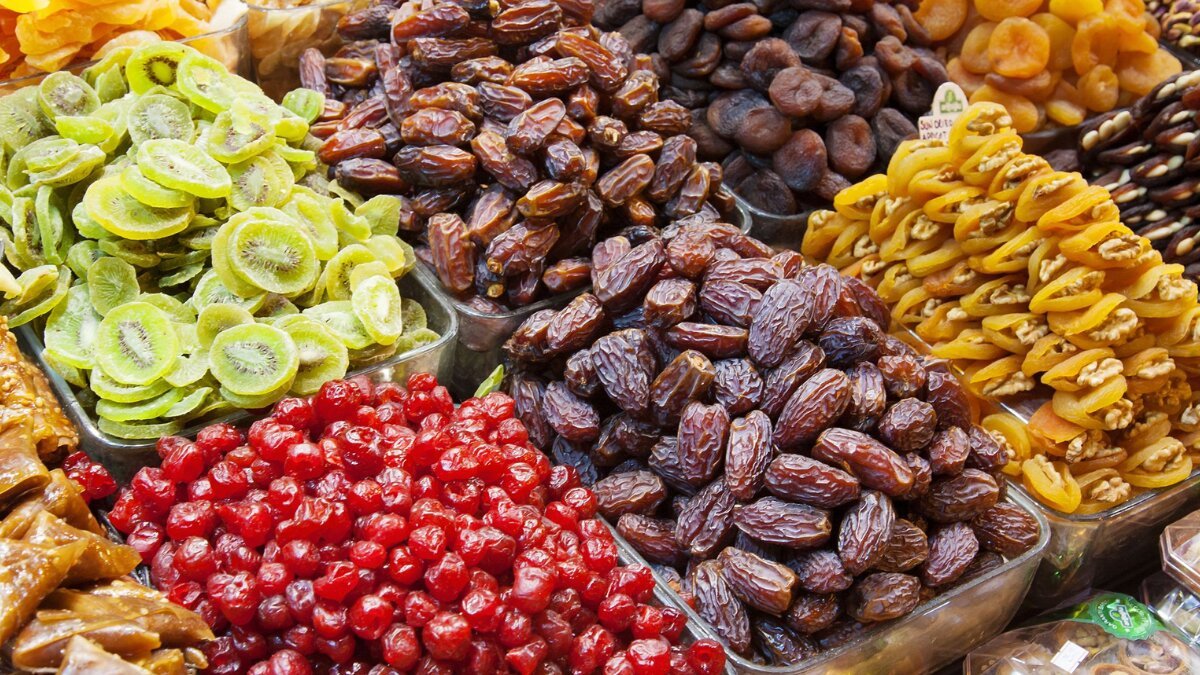
Incorporating dry fruits into your meals is a delicious way to enhance your nutrition while adding texture and flavor. From almonds to apricots, these nutrient-dense snacks can be seamlessly integrated into various dishes. Let’s explore some effective ways to include dry fruits in your meals, ensuring you reap their health benefits.
Boosting breakfast with dry fruits
Breakfast is the most important meal of the day, and adding dry fruits can elevate its nutritional value significantly. Consider oatmeal topped with a mix of walnuts and dried cranberries. Not only do they provide fiber and healthy fats, but they also enhance the taste of your morning routine. A study by the Agricultural Research Service found that adding just a handful of nuts can improve cardiovascular health, making this a heart-healthy choice. For those who enjoy smoothies, blending in some dates or dried figs can add a natural sweetness and a plethora of vitamins. In fact, one serving of dried figs contains about 10% of your daily calcium requirement, vital for bone health.
Lunch ideas featuring dry fruits
Dry fruits can be a game-changer for your lunch, providing energy that lasts throughout the day. A quinoa salad infused with sliced almonds and raisins not only adds crunch but also offers protein and iron. The U.S. Dietary Guidelines recommend incorporating a variety of grains and proteins into your meals, and this combination aligns perfectly. You can also prepare a chicken salad with diced apricots and walnuts for a unique twist and an extra boost of omega-3 fatty acids. Research indicates that incorporating nuts into meals can help with weight management, making this a smart choice for those looking to maintain a healthy weight.
Snacking smarter with dry fruits
Snacking can often be a downfall in healthy eating, but choosing dry fruits can set you on the right path. Instead of reaching for chips or candy, consider creating your own trail mix with cashews, dried mango, and dark chocolate chips. This combination not only satisfies your sweet tooth but also provides essential nutrients like magnesium and antioxidants. According to the National Institute of Health, snacking on nuts and dried fruits can improve overall diet quality, making you feel fuller for longer. Plus, it’s a convenient option for on-the-go lifestyles, allowing you to maintain healthy eating habits amidst a busy schedule.
Incorporating dry fruits into desserts
Dry fruits can effortlessly enhance your dessert game without relying on refined sugars. Imagine a yogurt parfait layered with granola, figs, and honey—a perfect blend of sweetness and creaminess. The antioxidants found in dried fruits like goji berries can be beneficial for skin health, an added bonus for dessert lovers. Alternatively, baking with dry fruits can deliver moistness and flavor; think of banana bread with chopped walnuts and raisins. A report by the Food and Drug Administration highlights the importance of incorporating more fruits and vegetables into desserts for a healthier option, and dry fruits fit this bill perfectly.
By including dry fruits in various meals, you not only enhance the taste but also significantly boost your nutritional intake. Their versatility allows for endless culinary possibilities, making healthy eating enjoyable and satisfying.
ℹ️ AI Disclaimer: This article was created using OpenAI GPT-4. Content is for informational purposes only. Please verify information independently.
