
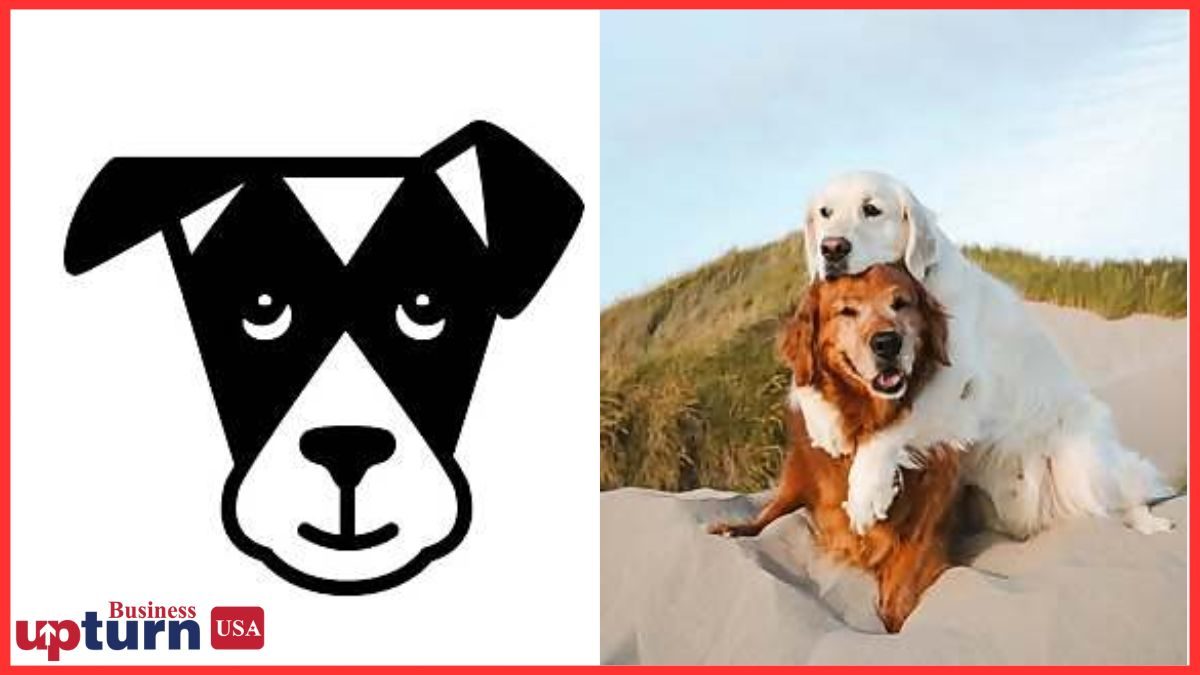
The U.S. pet influencer market is booming, and two names that consistently stand out are The Dogist and Watson & Kiko. While both cater to the ever-growing community of American pet lovers, their approaches to business and income generation are surprisingly distinct. The Dogist, founded by photographer Elias Weiss Friedman, has turned candid dog photography into a recognizable media brand. Watson & Kiko, on the other hand, are golden retriever siblings who have captured hearts with wholesome, family-friendly content that leans heavily on emotional storytelling.
The Dogist began as a street-photography project inspired by human-focused brands like Humans of New York but pivoted into a dedicated pet media company. This foundation gave The Dogist an advantage in the U.S. pet market, where visual storytelling resonates with audiences. Watson & Kiko’s rise has been rooted in viral moments that showcase their gentle demeanor, strong bonds with their owners, and a feel-good message that appeals to mainstream American culture. Both brands understand that U.S. audiences are eager to engage with content that blends entertainment and emotional connection, but they monetize these emotions in very different ways.
Revenue streams: diversified product offerings versus emotional-driven sponsorships
The Dogist has built multiple revenue streams anchored in professional photography. The brand sells coffee table books that compile its stunning street dog portraits, a move that not only earns direct sales but also solidifies its reputation as a premium name in pet photography. Merchandise, including apparel and accessories emblazoned with The Dogist’s iconic logo, has become another steady source of income. The Dogist also leverages licensing deals, selling image rights to brands and media outlets that wish to use its high-quality dog imagery.
Watson & Kiko’s revenue streams focus on strategic sponsorships and product collaborations. Their heartwarming videos make them ideal partners for American pet care brands, from dog food companies to lifestyle product lines. Their emotional appeal allows them to land deals that emphasise family values and wholesome fun—qualities that resonate deeply with U.S. audiences. Sponsored Instagram posts, YouTube collaborations, and appearances at pet-friendly events are among their most reliable income sources.
Sponsorship tactics: corporate campaigns versus feel-good family partnerships
Corporate partnerships are central to The Dogist’s strategy. The brand often works with major U.S. pet food manufacturers, shelters, and even tech companies to create polished campaigns. Because The Dogist presents itself as a professional media outlet, it attracts high-value sponsors seeking credibility and wide exposure. These collaborations are often multi-platform, including Instagram, TikTok, and branded blog features, making the campaigns more impactful in the crowded U.S. pet influencer space.
Watson & Kiko excel at partnerships that feel personal rather than corporate. Their sponsors are carefully chosen to match the duo’s wholesome image—think natural dog treats, outdoor gear for pet adventures, or community-driven campaigns. American pet lovers respond positively to this approach because it feels authentic. Rather than appearing as a polished ad, Watson & Kiko’s content feels like a friend’s recommendation, which can drive higher conversion rates for brands.

Marketing strategies: street-level authenticity versus story-driven community building
The Dogist’s marketing strategy hinges on its street-level authenticity. Capturing real dogs in real U.S. cities creates an organic, documentary-style appeal. By photographing dogs from all walks of life, The Dogist has positioned itself as an inclusive platform, representing the diversity of the American pet-owning experience. This grassroots vibe allows The Dogist to remain credible even as it partners with big brands, as its content rarely feels staged or overproduced.
Watson & Kiko, meanwhile, lean into story-driven community building. Their social media accounts often share narratives about kindness, friendship, and emotional healing, creating an intimate bond with their audience. U.S. viewers don’t just watch their videos; they feel part of a family. This deep engagement allows Watson & Kiko to maintain a loyal fan base that eagerly supports their collaborations and merchandise.
Merchandise strategies: branded photography versus lifestyle products for pet families
For The Dogist, merchandise is a natural extension of its visual brand. Limited-edition prints, photography books, and branded apparel are designed for dog enthusiasts who appreciate artful pet imagery. These products are positioned as collectibles or premium gifts within the U.S. pet market, targeting consumers willing to pay for quality design.
Watson & Kiko take a different path by offering lifestyle-oriented products that match their cheerful, family-friendly vibe. Their merchandise often includes items like cosy blankets, paw-print mugs, and dog accessories that remind fans of the duo’s signature warmth. This strategy makes their revenue streams less about art and more about emotional connection, catering to a broader segment of U.S. pet-loving households.
Event participation: professional showcases versus fan-centric gatherings
The Dogist frequently participates in professional events such as pet expos, photography exhibitions, and charity galas. These appearances build its reputation as a serious brand within the U.S. pet industry and open doors to lucrative collaborations with established companies.
Watson & Kiko favour fan-centric events like meet-and-greets or community dog walks. These gatherings are less formal but incredibly powerful for strengthening fan loyalty. By interacting directly with American pet lovers, they create memories that translate into long-term brand loyalty and repeat sponsorship opportunities.
Social media monetisation: high-quality imagery versus emotional virality
On social media, The Dogist capitalises on its photography expertise to maintain a polished, professional feed. Its Instagram grid serves as a visual portfolio that attracts both pet lovers and potential sponsors. Features like Instagram subscriptions or exclusive behind-the-scenes content allow The Dogist to monetise directly from its most loyal followers.
Watson & Kiko focus on emotional virality. Their videos are optimised for shares, using trending sounds and relatable scenarios that appeal to broad U.S. audiences. The ability to go viral repeatedly gives them leverage when negotiating sponsorships and collaborations, as brands know their content has a strong chance of widespread exposure.
Collaborations and partnerships: media brand alignment versus lifestyle synergies
The Dogist collaborates with media outlets, rescue organisations, and even fashion brands, ensuring that its partnerships reflect its professional and artistic ethos. By aligning with brands that appreciate high-quality visual content, The Dogist maintains a premium image in the U.S. pet influencer space.
Watson & Kiko prioritise lifestyle synergies. Their collaborations often involve products or causes that their audience already loves, such as outdoor adventures or mental health awareness. This makes their partnerships feel organic rather than opportunistic, strengthening their reputation among American pet lovers.
Unique angles in the competitive U.S. pet influencer market
What sets The Dogist apart is its dedication to documentary-style authenticity. In an industry crowded with staged content, The Dogist’s street photography offers a refreshing perspective. Its branding suggests that every dog has a story worth telling, an angle that resonates deeply with American audiences who value individuality and diversity.
Watson & Kiko differentiate themselves through emotional storytelling. Their content often highlights the therapeutic and uplifting aspects of pet ownership, aligning perfectly with trends in the U.S. market where pets are increasingly seen as emotional support companions. Their ability to evoke joy and comfort gives them a unique competitive advantage.
Future opportunities in America’s evolving pet economy
Both The Dogist and Watson & Kiko are well-positioned to expand their influence as the U.S. pet economy evolves. The Dogist could explore augmented reality or interactive exhibits that allow fans to engage with dog photography in innovative ways. These ventures would appeal to younger American audiences accustomed to immersive experiences. Additionally, partnerships with animal shelters for live-streamed adoption events could provide both revenue and goodwill.
Watson & Kiko might expand into children’s entertainment or wellness collaborations. Given their family-friendly image, they could partner with U.S. educational publishers for children’s books or animated series featuring the golden retriever duo. Their brand could also explore partnerships with mental health organisations to create content that emphasises emotional well-being, an increasingly important topic in the American cultural landscape.
Both brands have shown that authenticity and emotional connection are powerful tools in the competitive U.S. pet influencer business. By staying true to their unique identities while exploring innovative revenue streams, The Dogist and Watson & Kiko can continue to thrive—and perhaps even redefine how American pet influencers build sustainable businesses.
This article is intended solely for informational and editorial purposes. It does not constitute endorsement or promotion of any artificial intelligence technology. Business Upturn makes no representations or warranties regarding the accuracy, completeness, or reliability of the information provided.